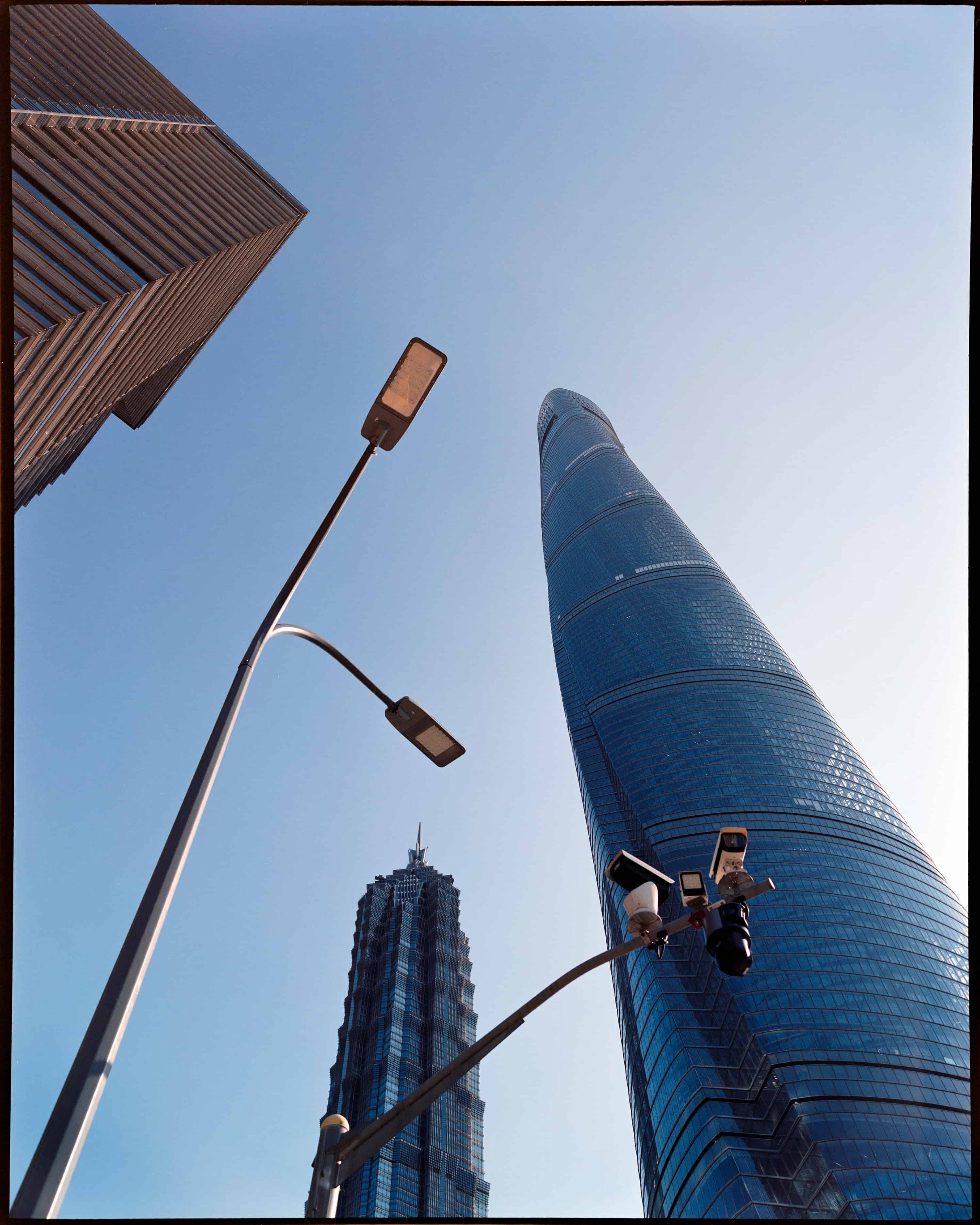
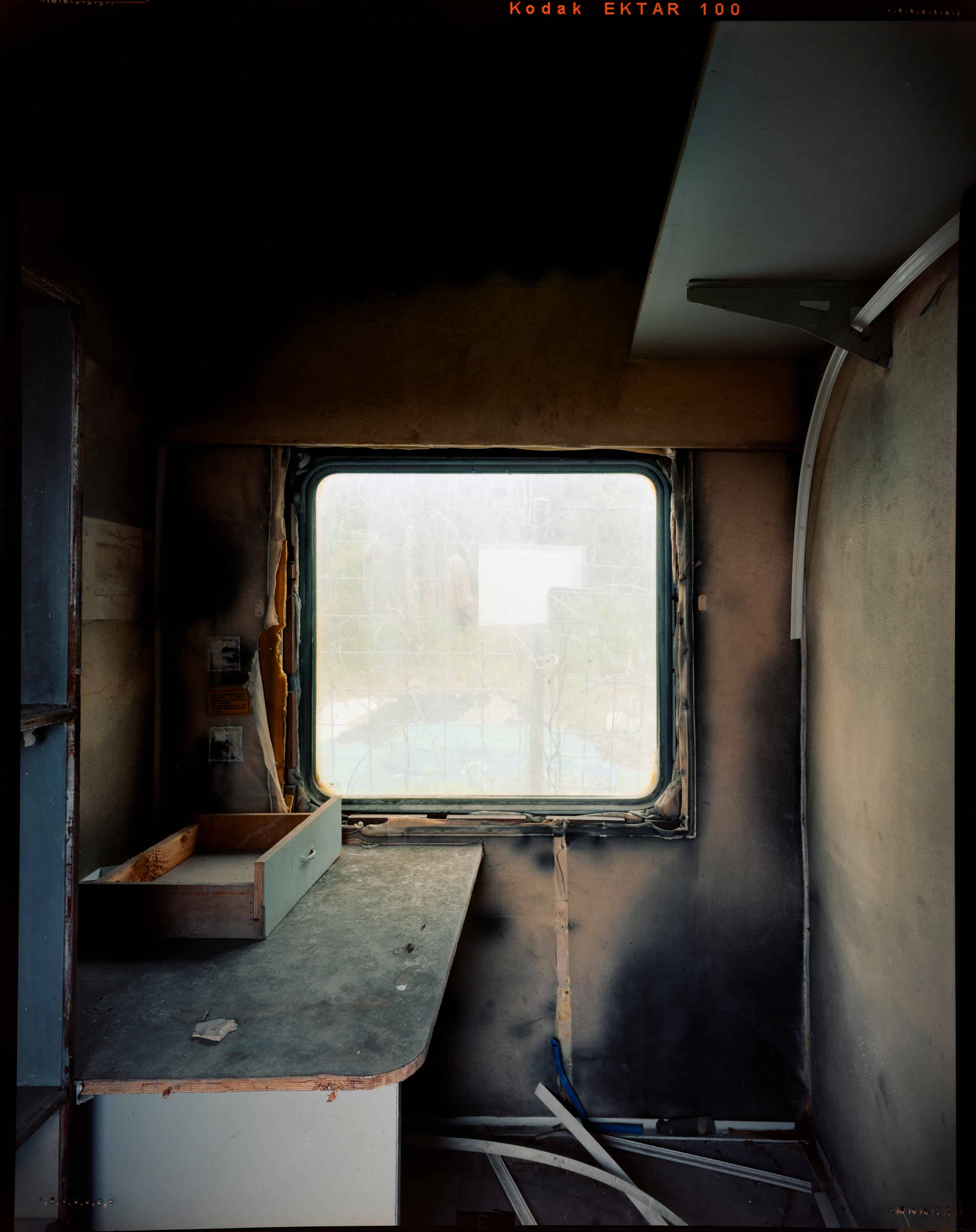
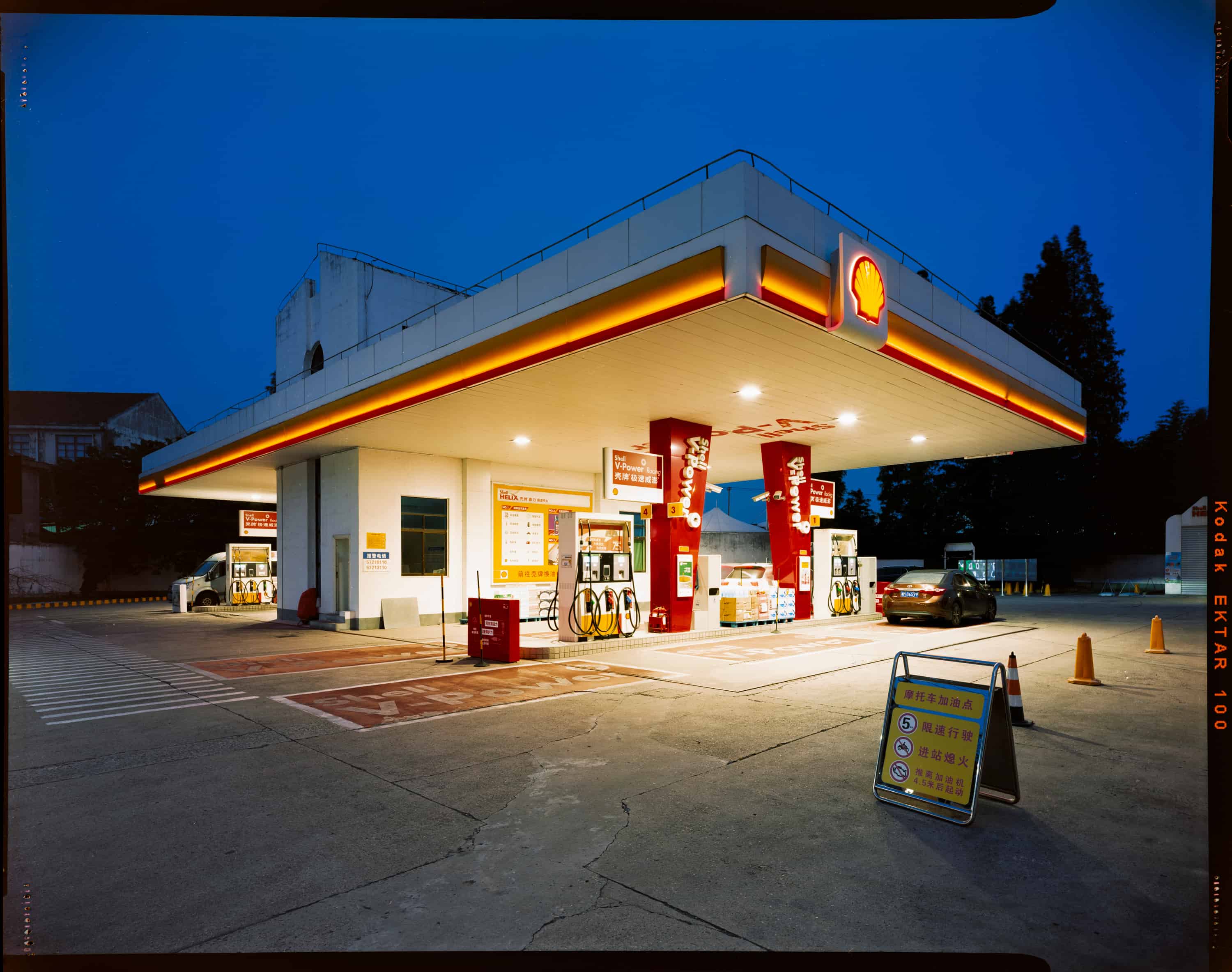
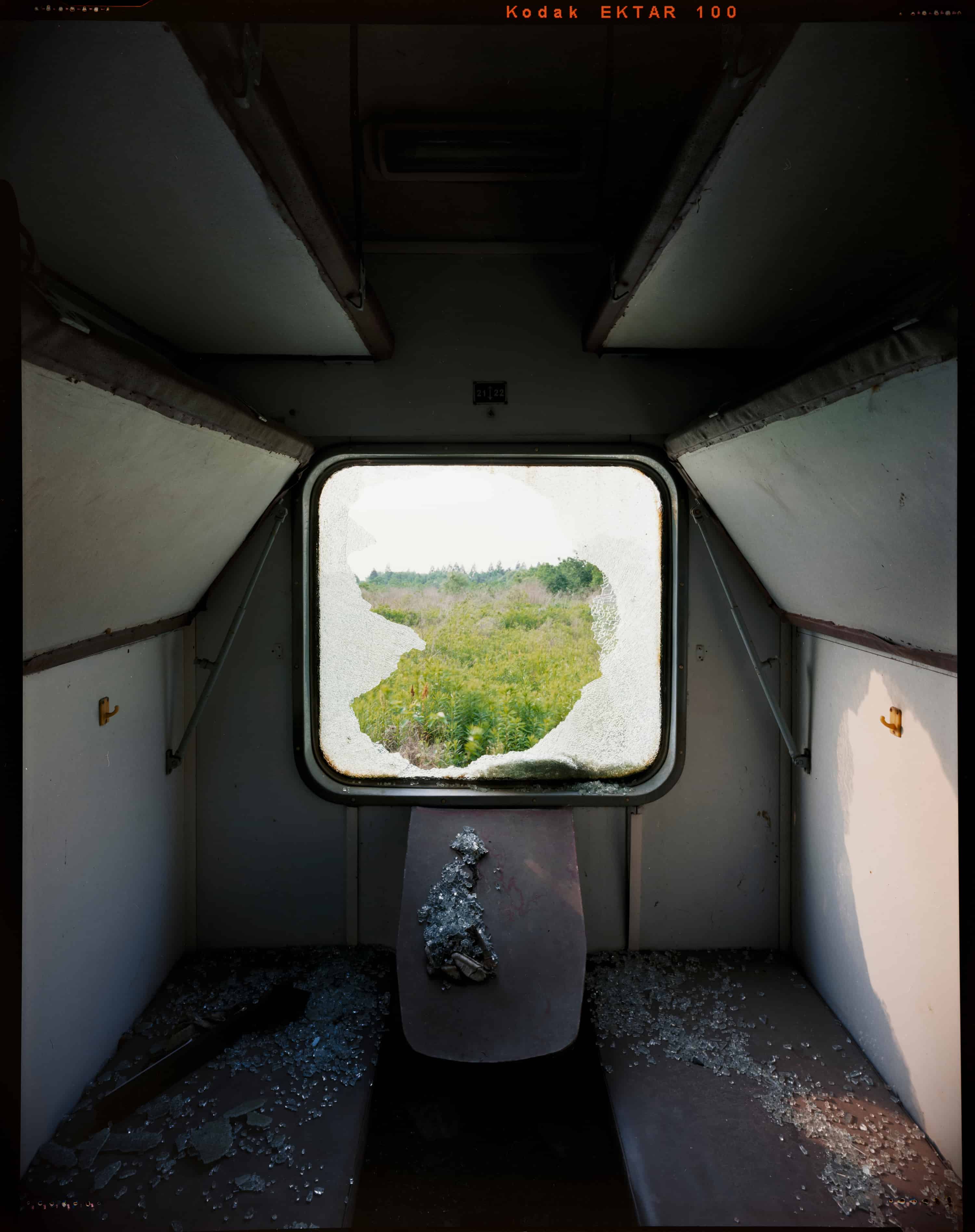
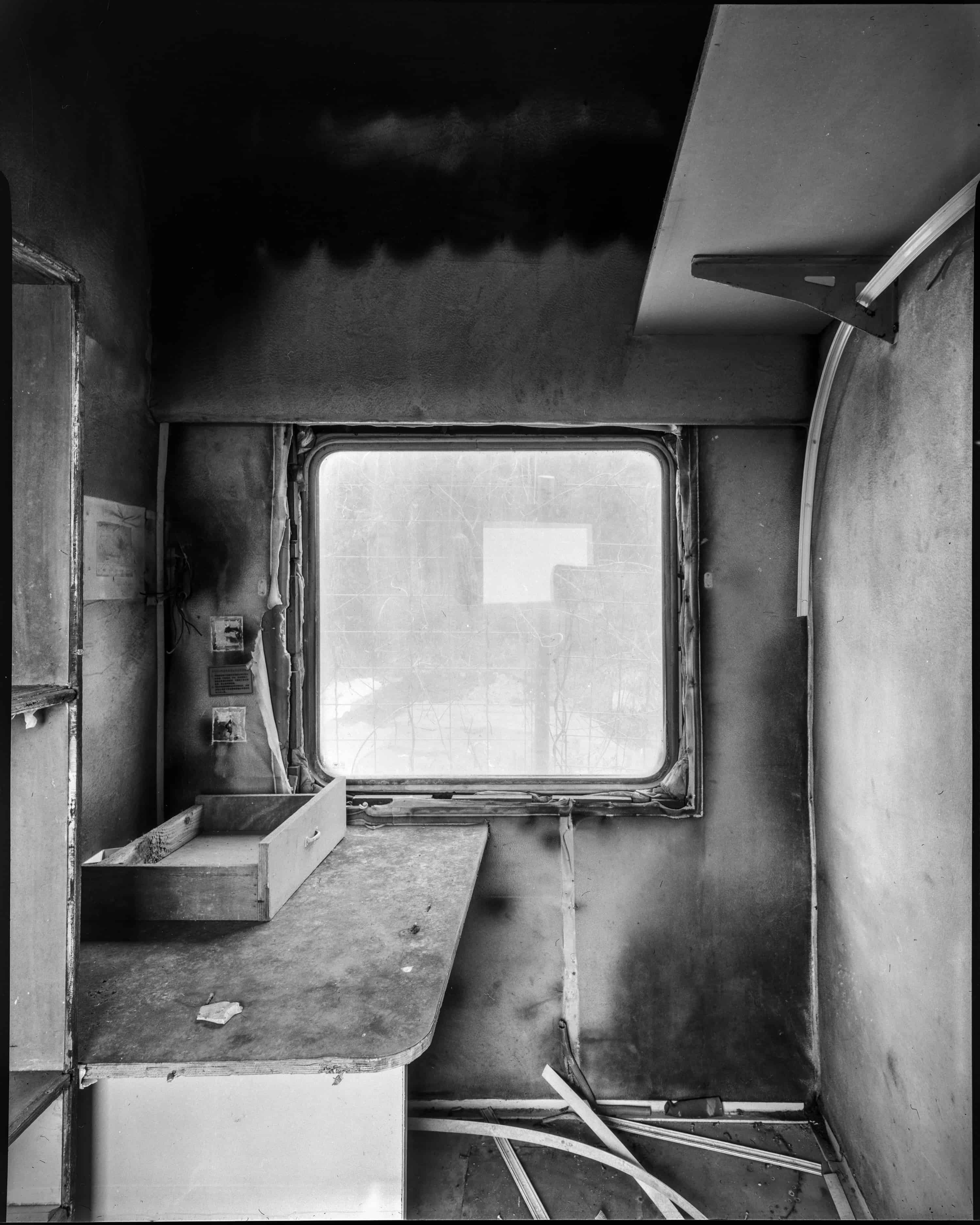
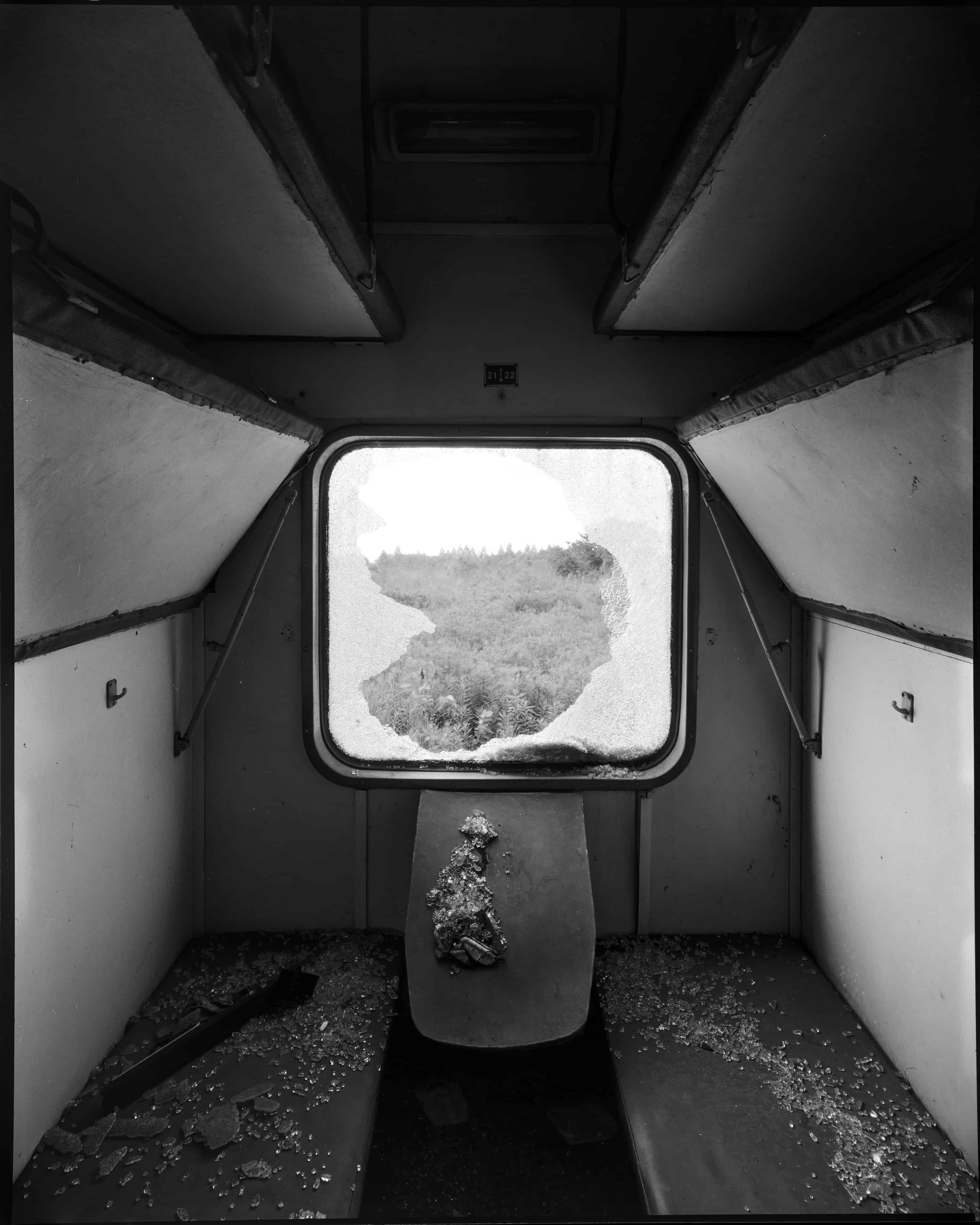
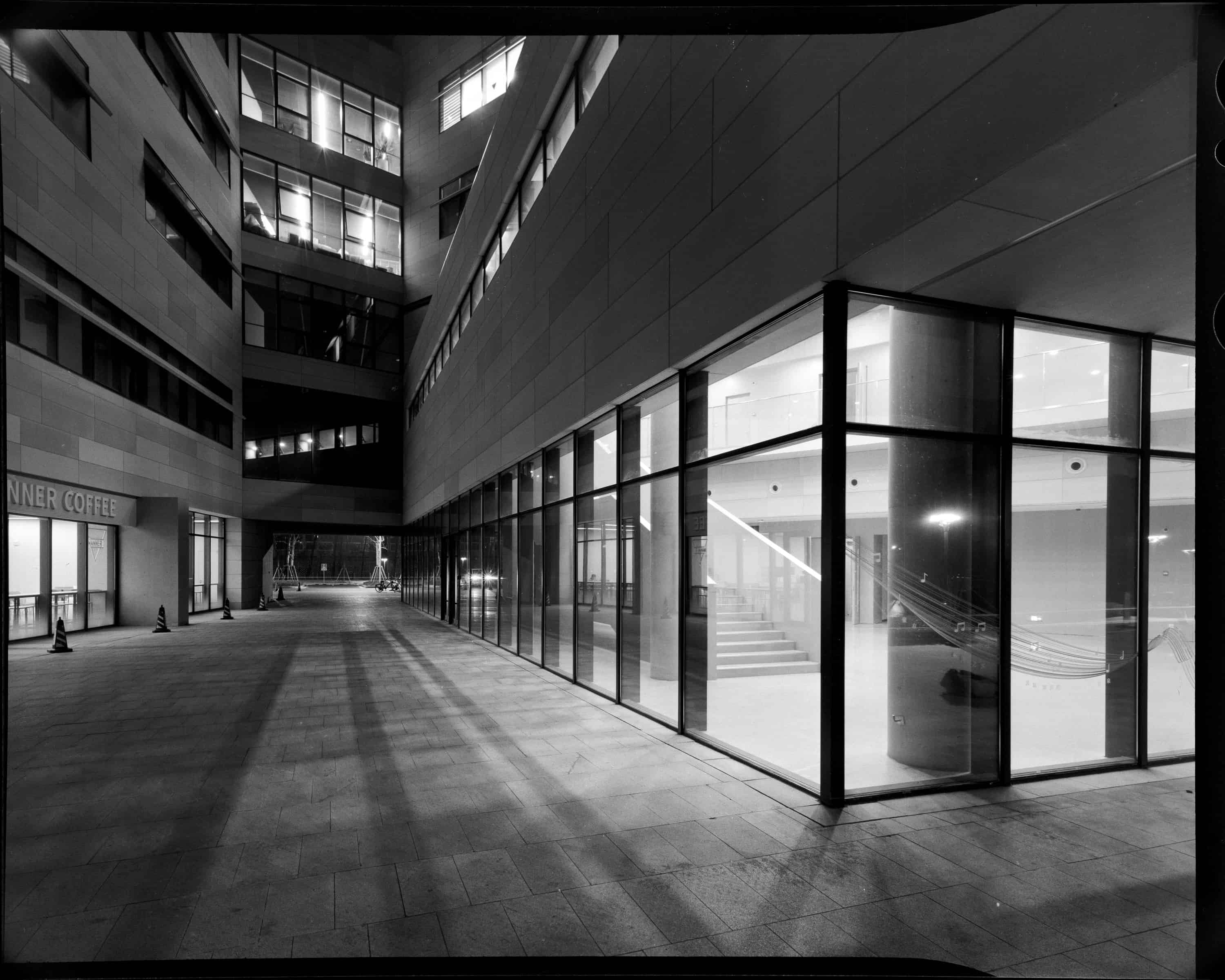
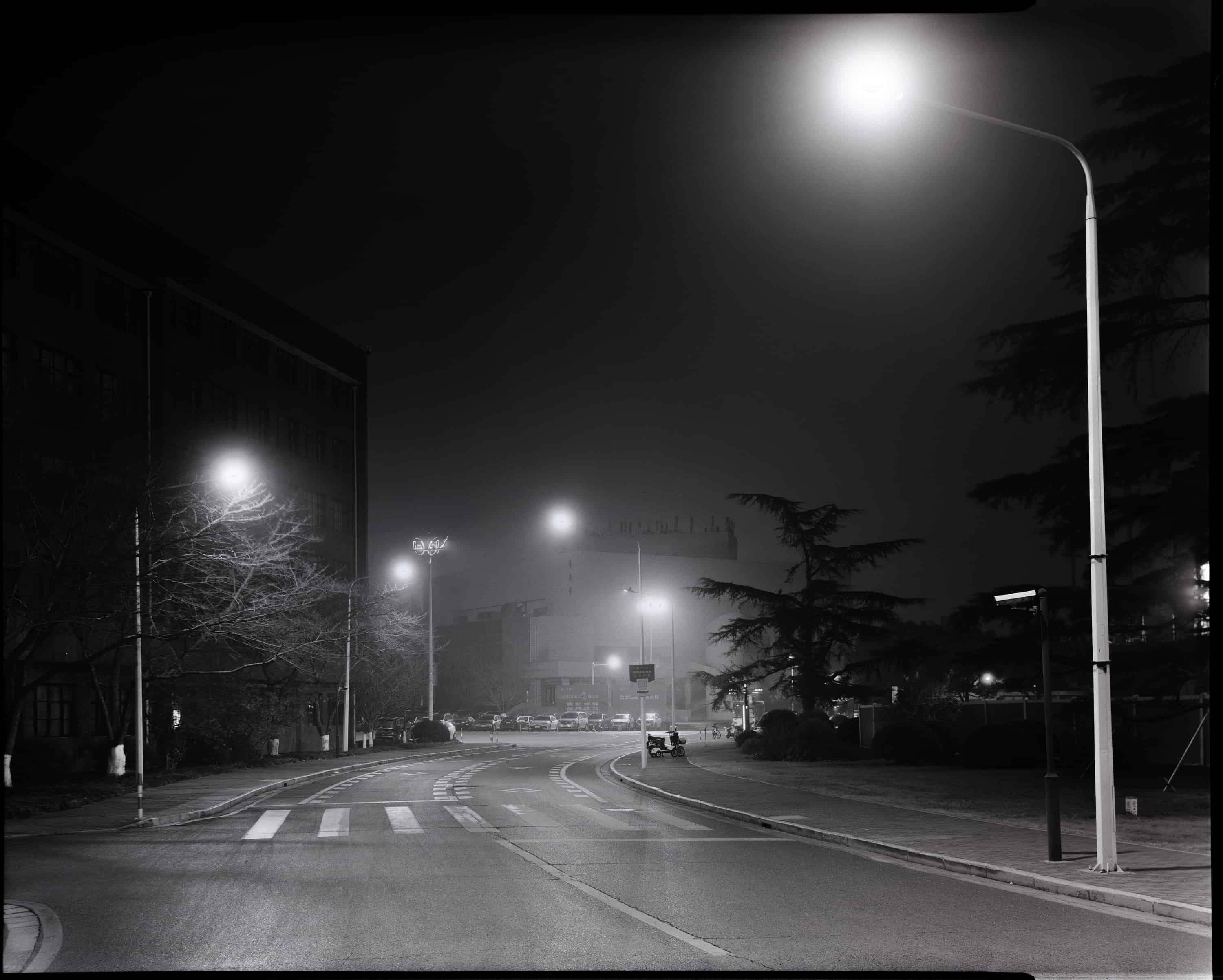
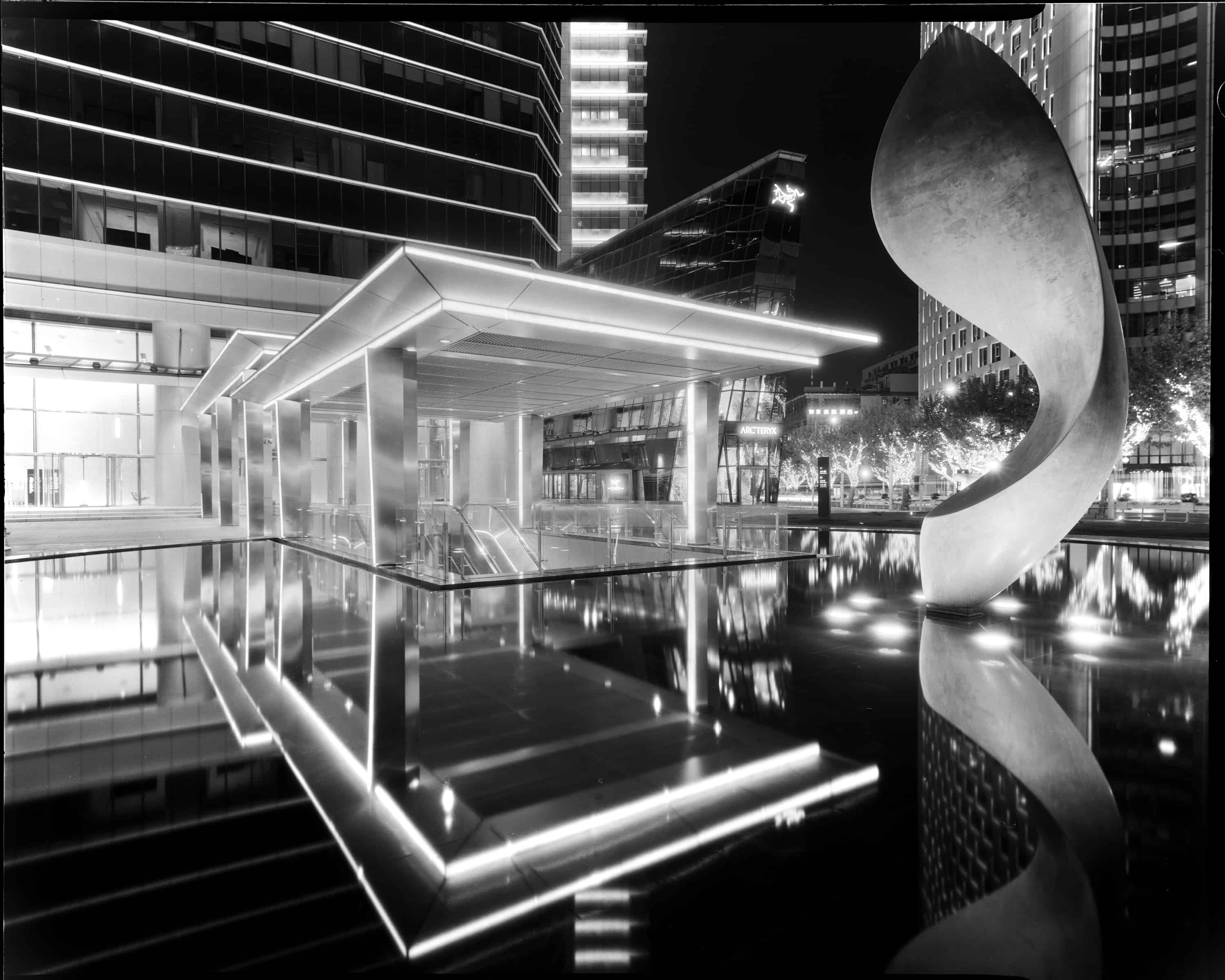
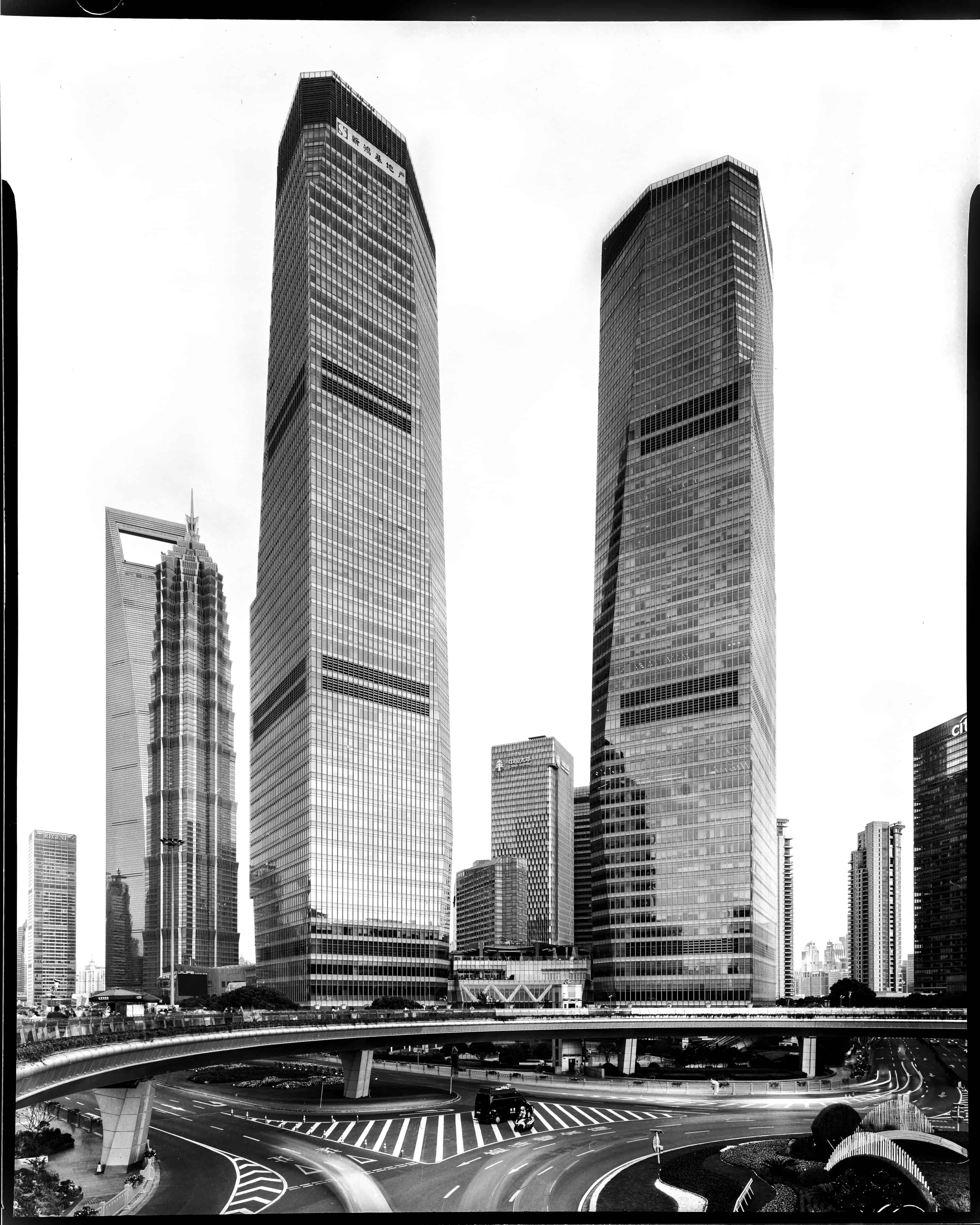
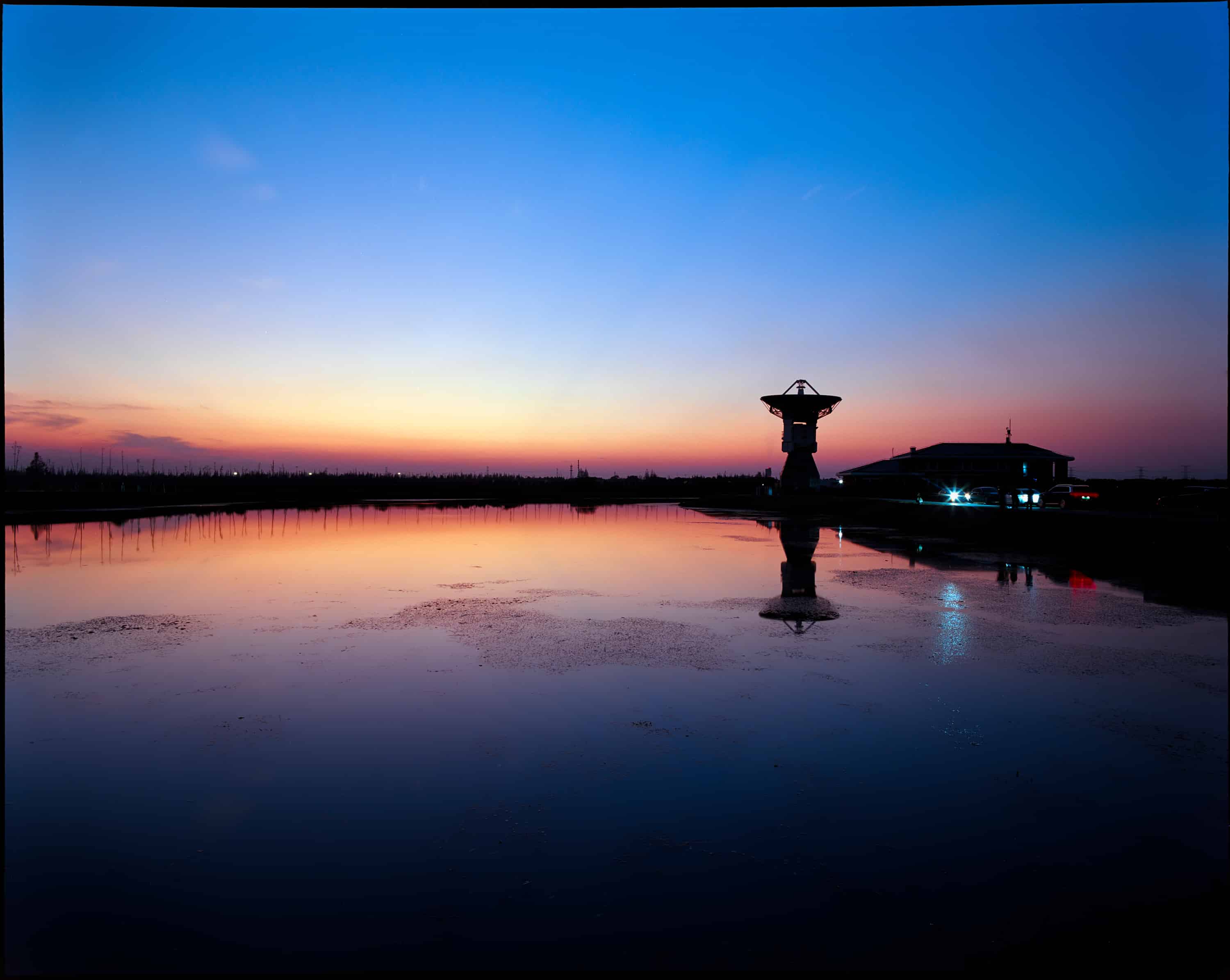
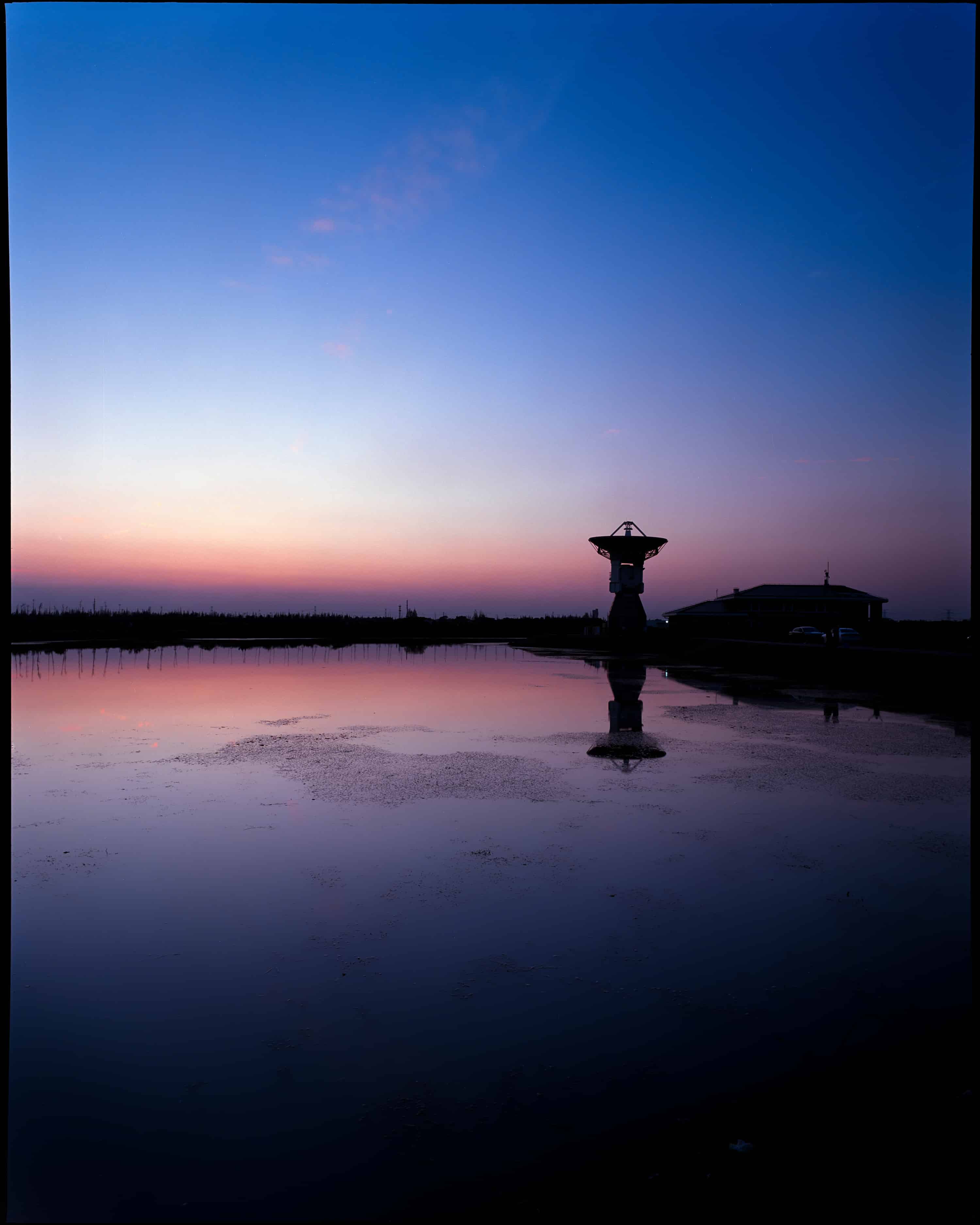
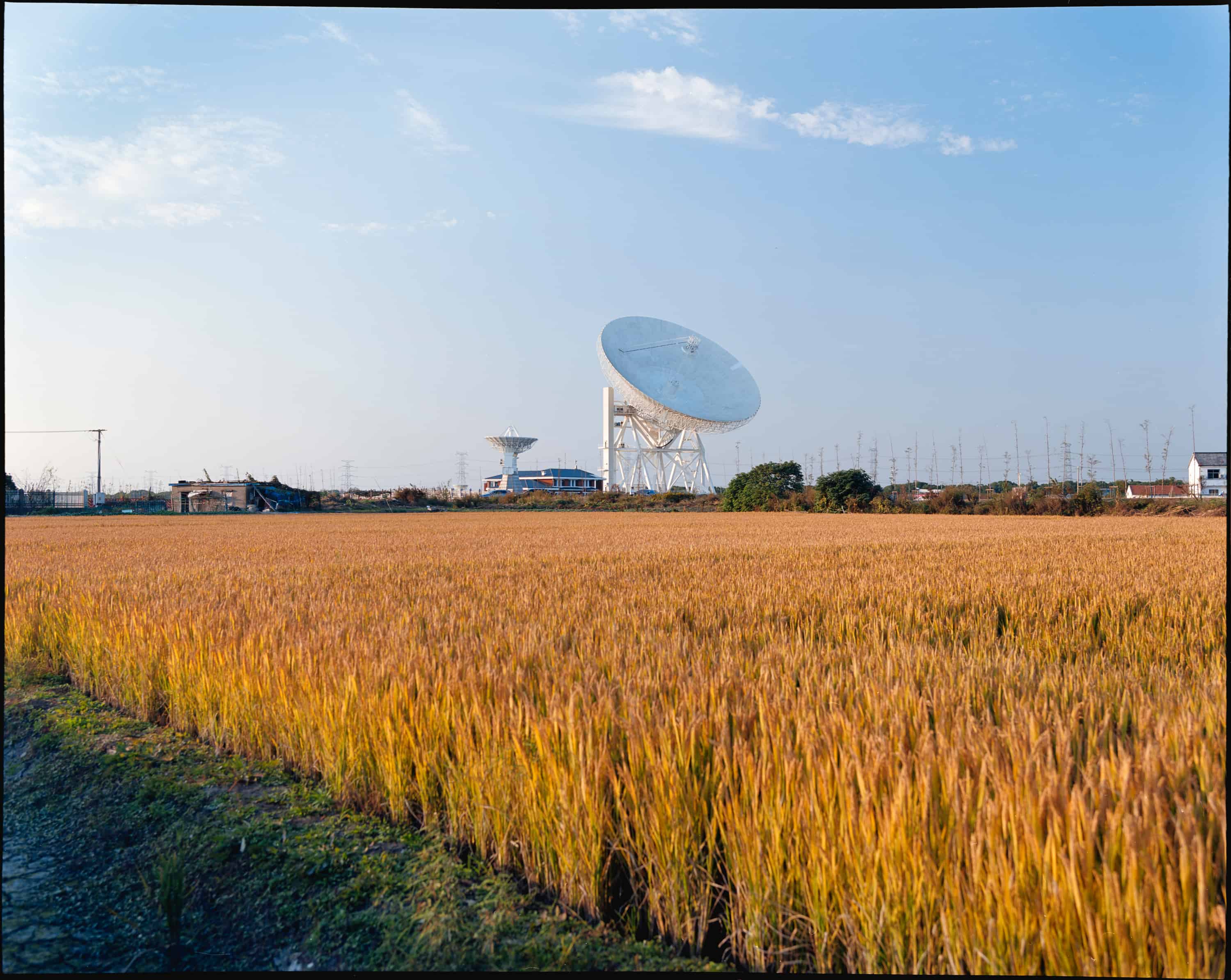
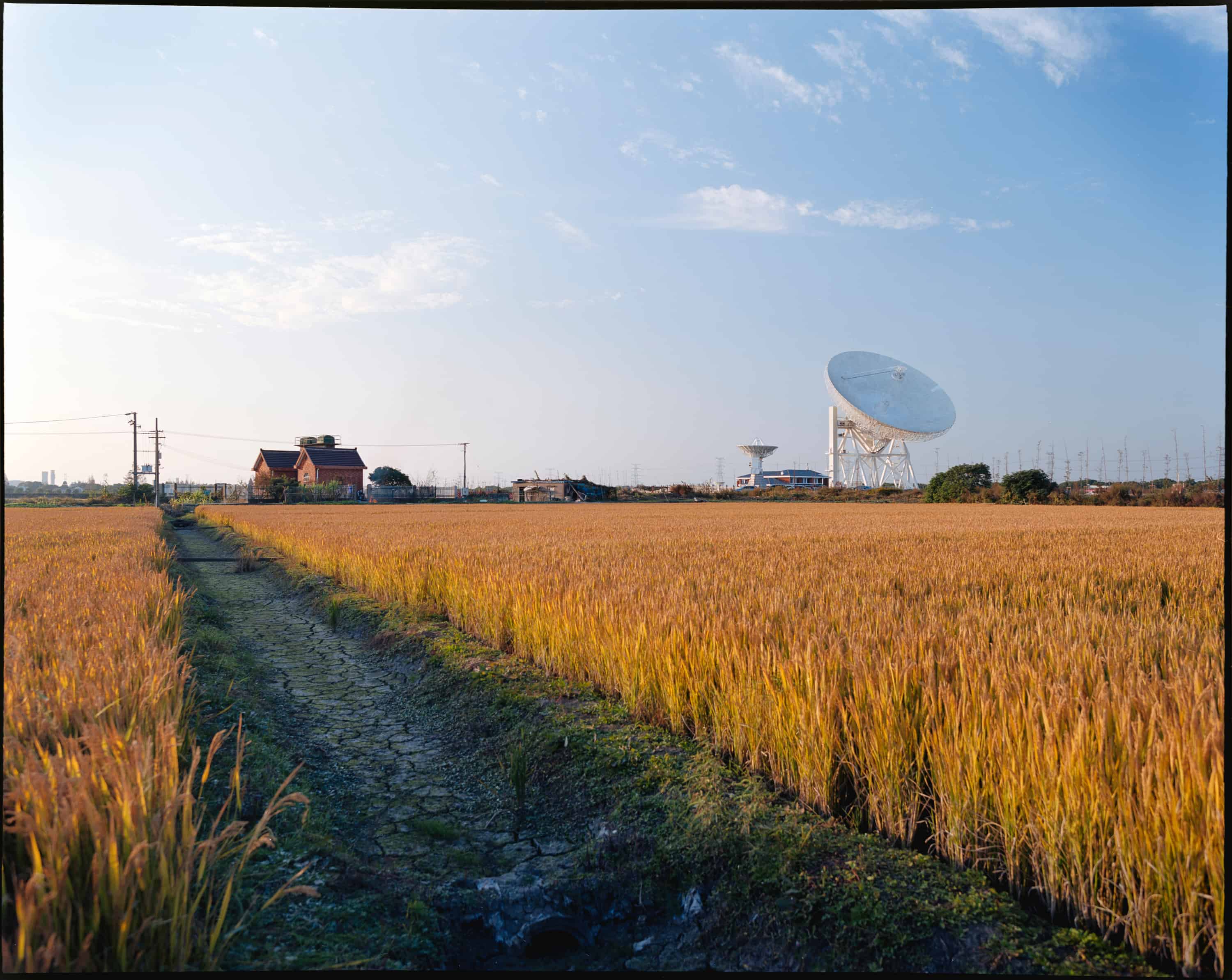
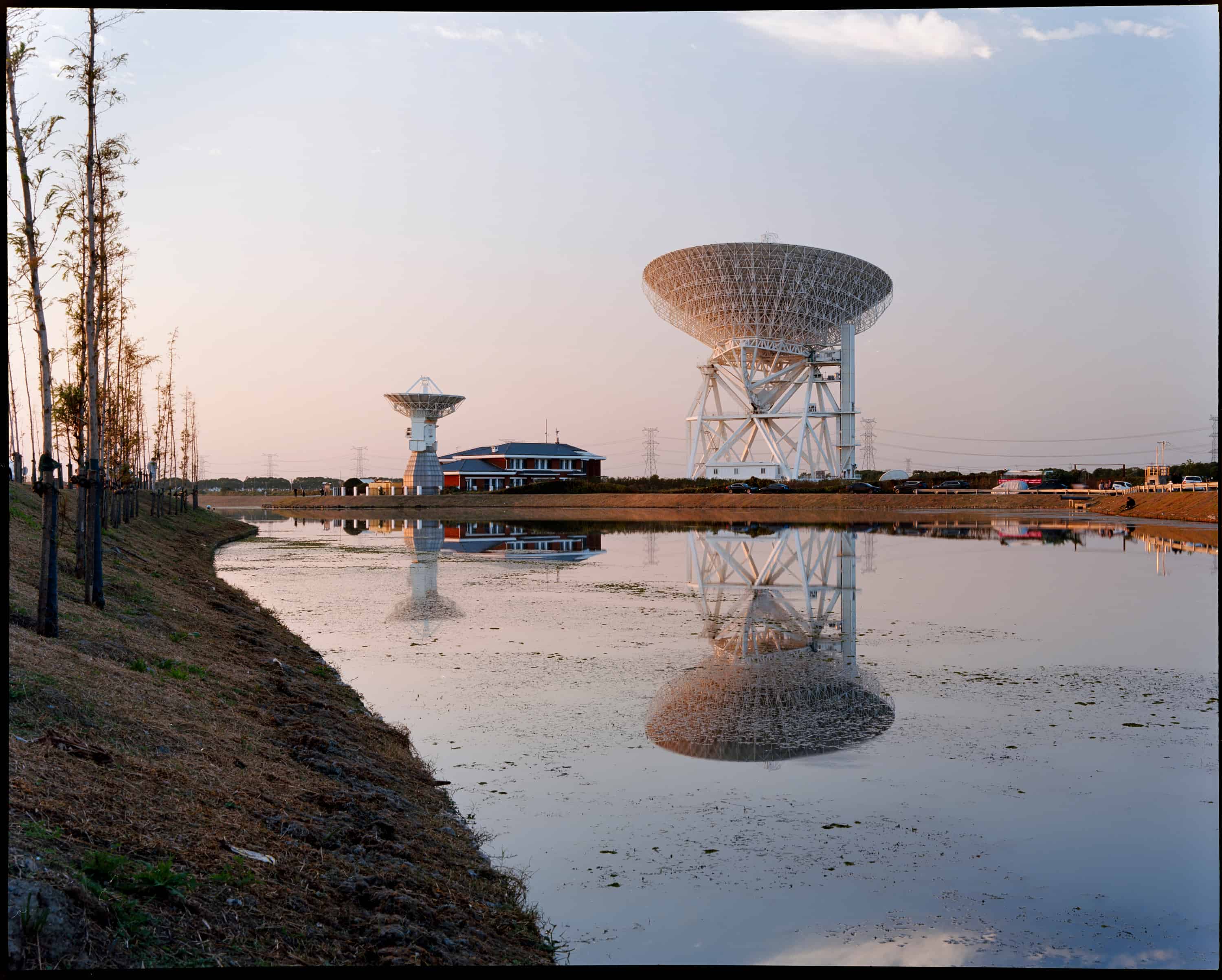
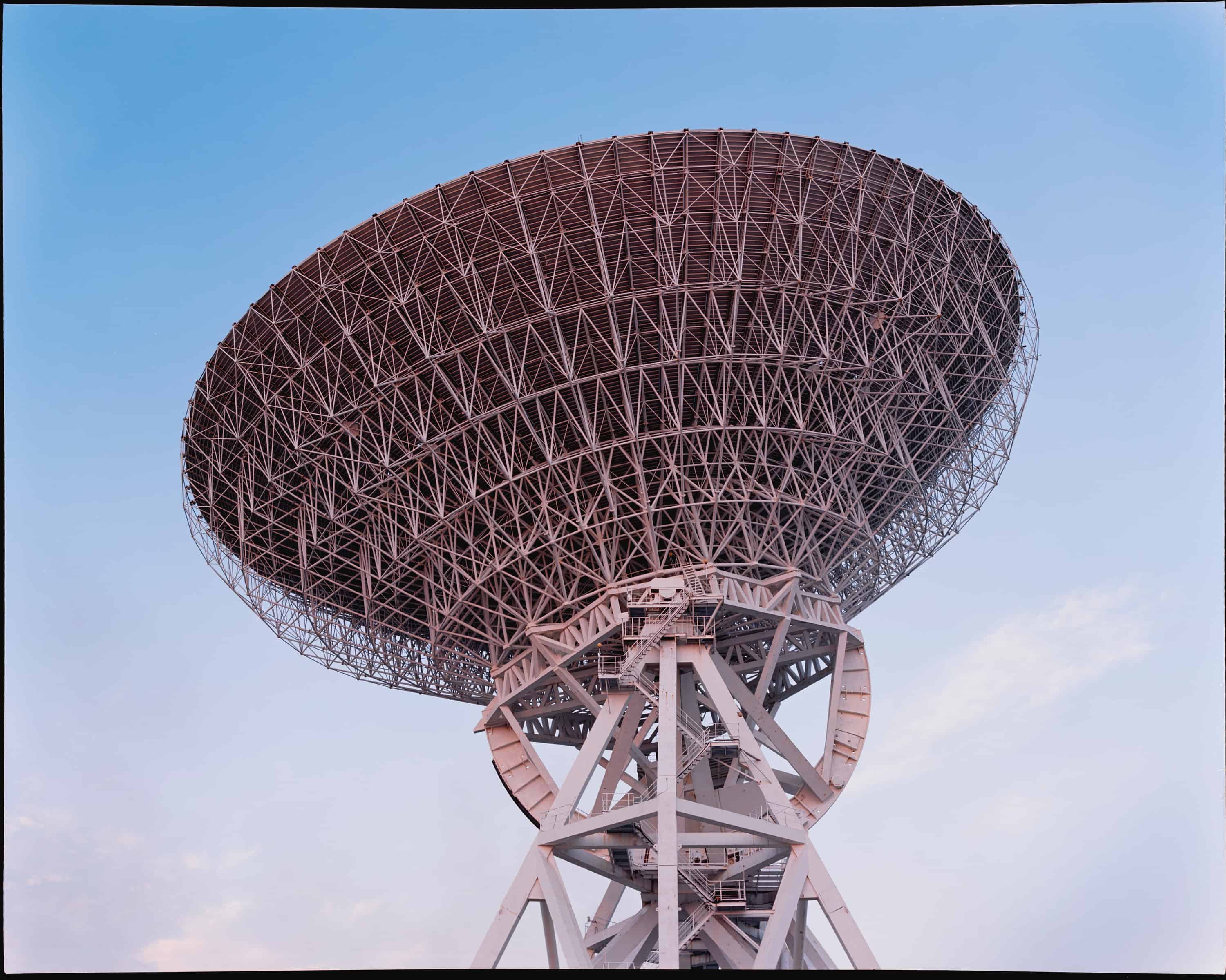
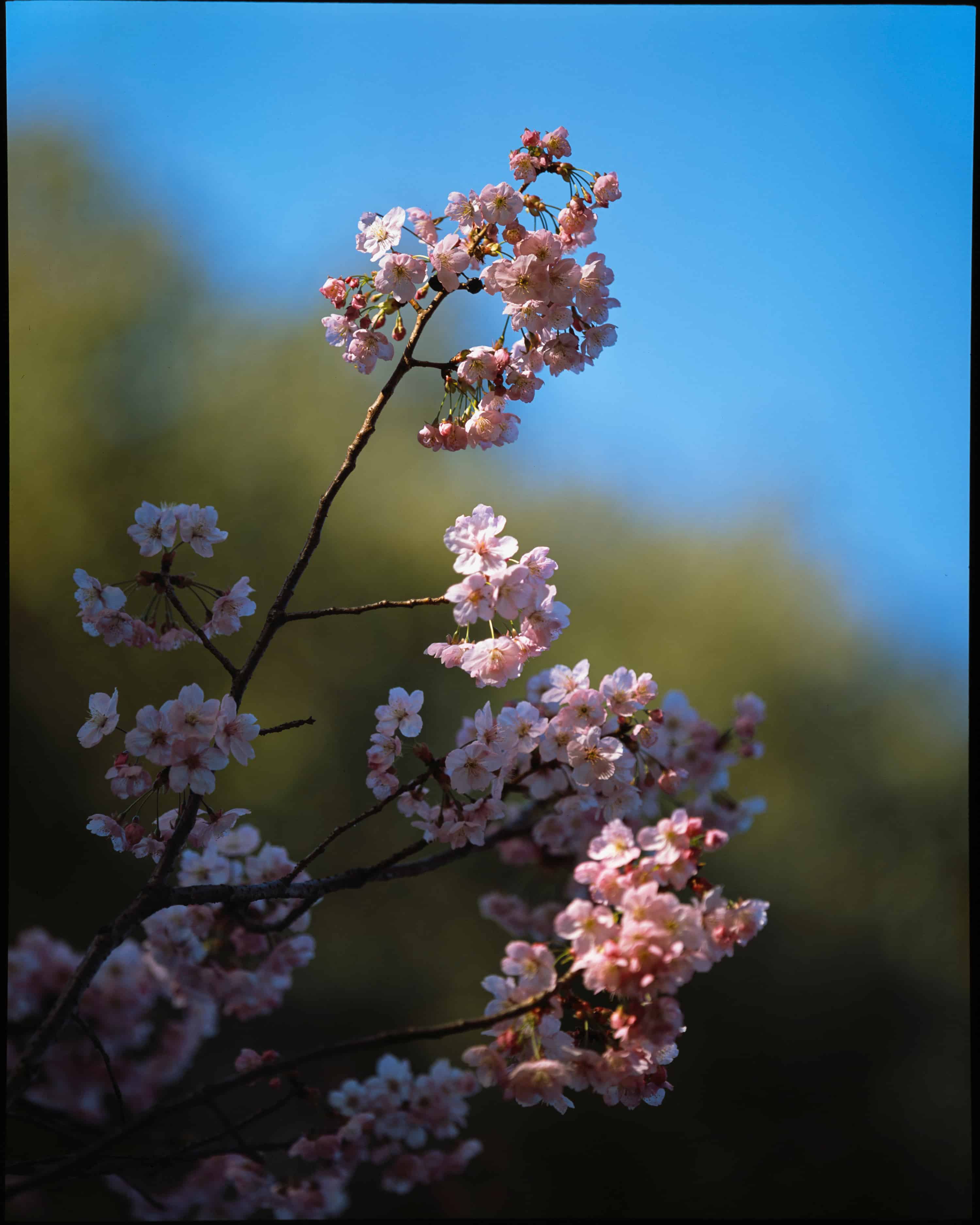
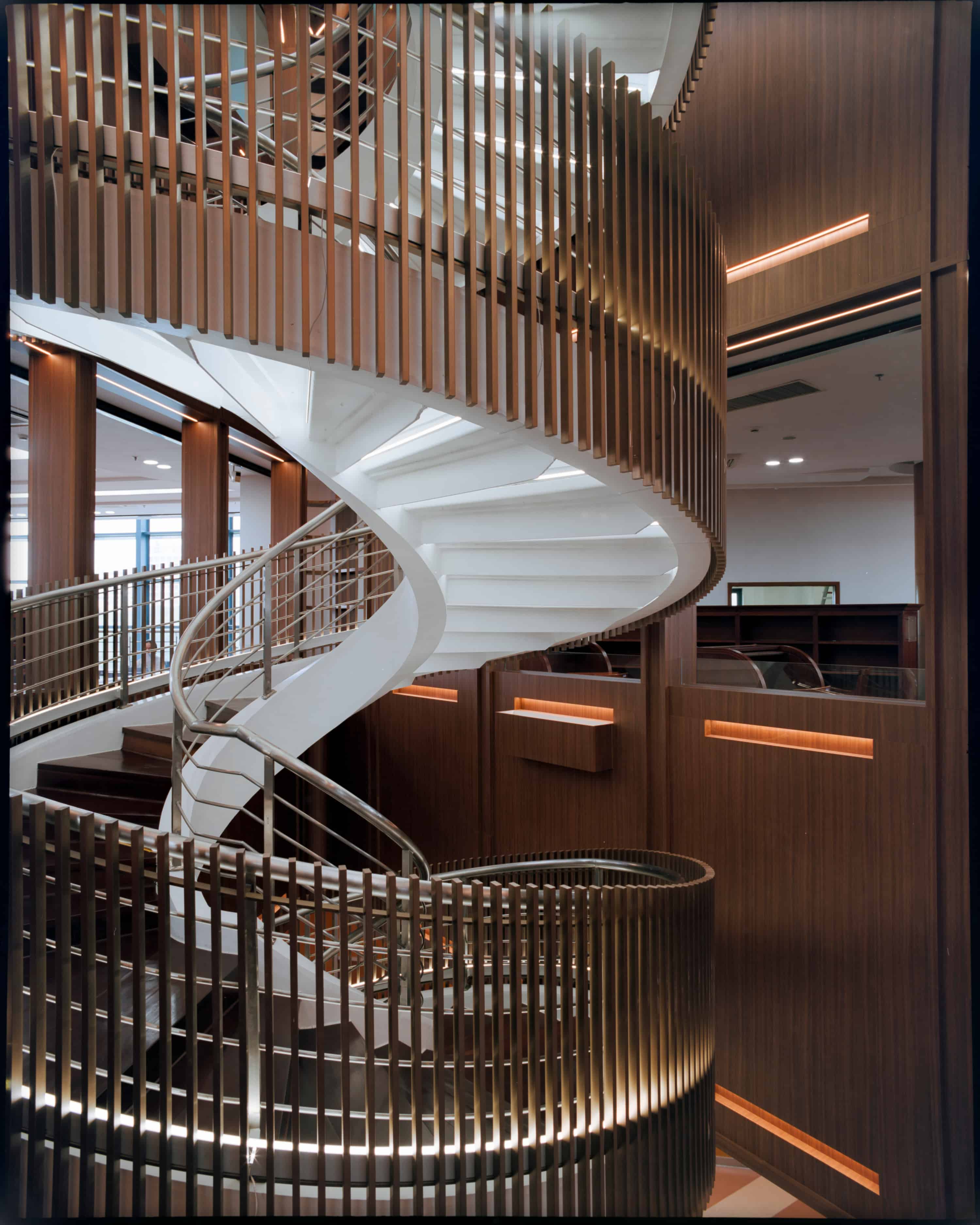
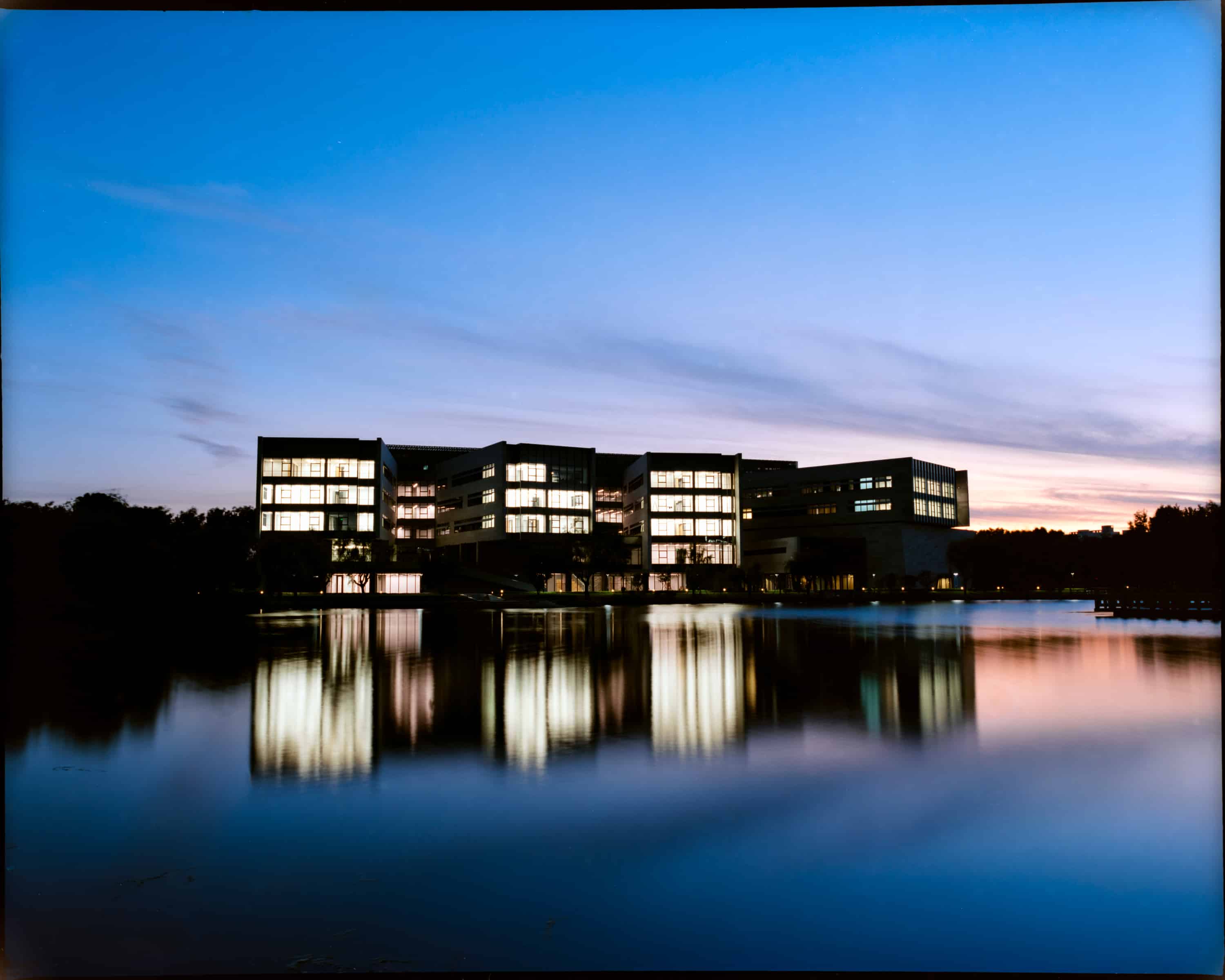
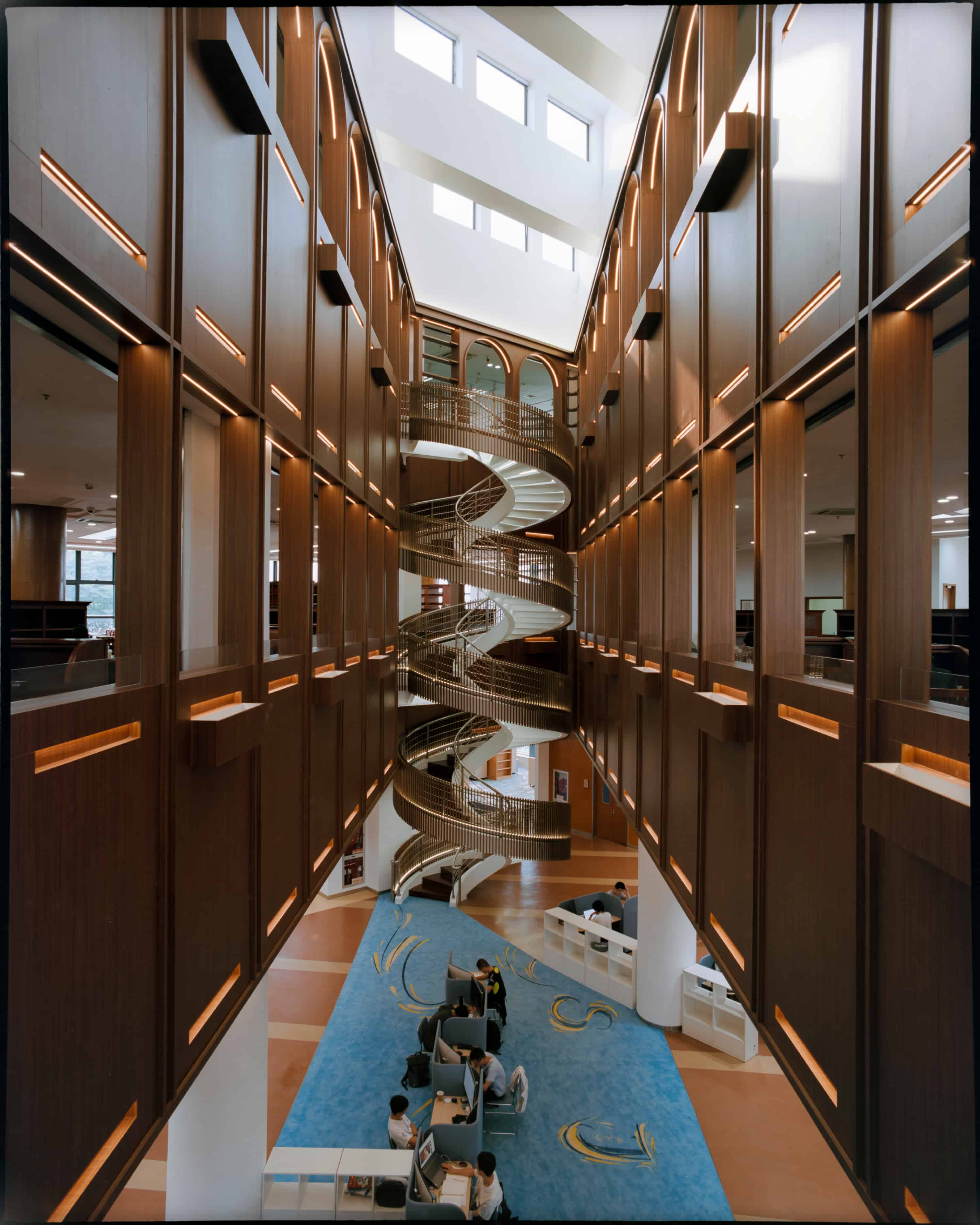
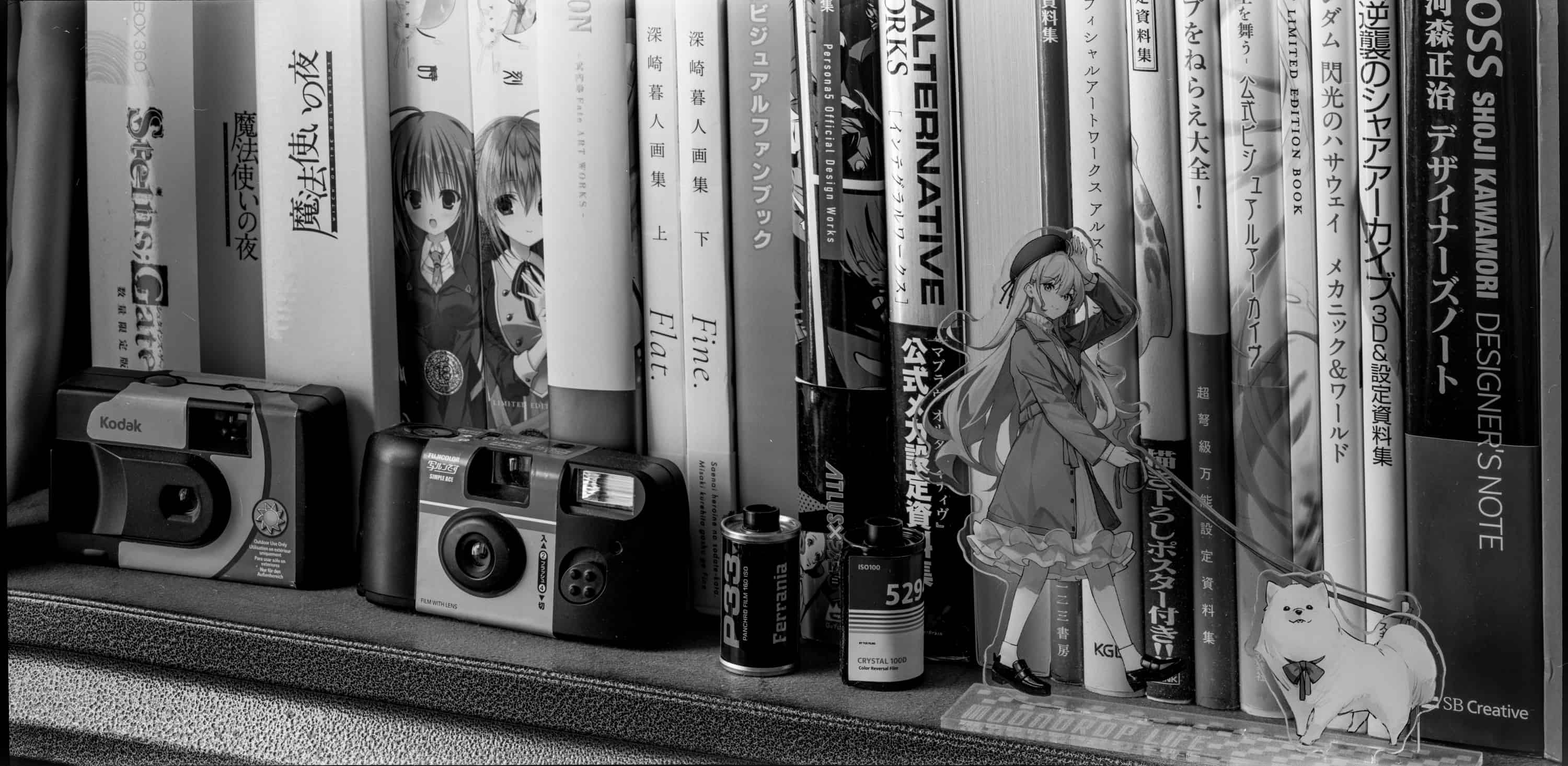
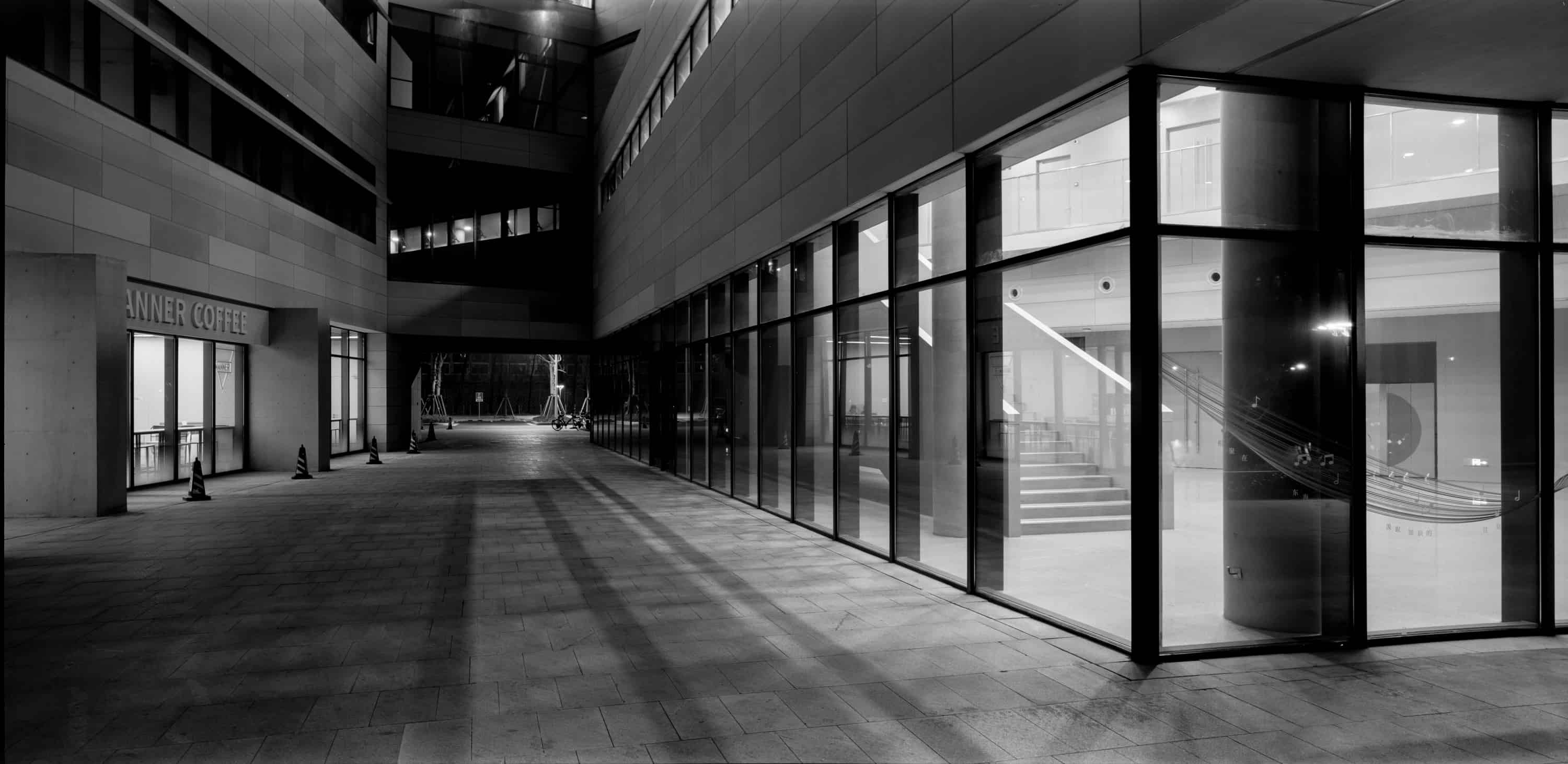
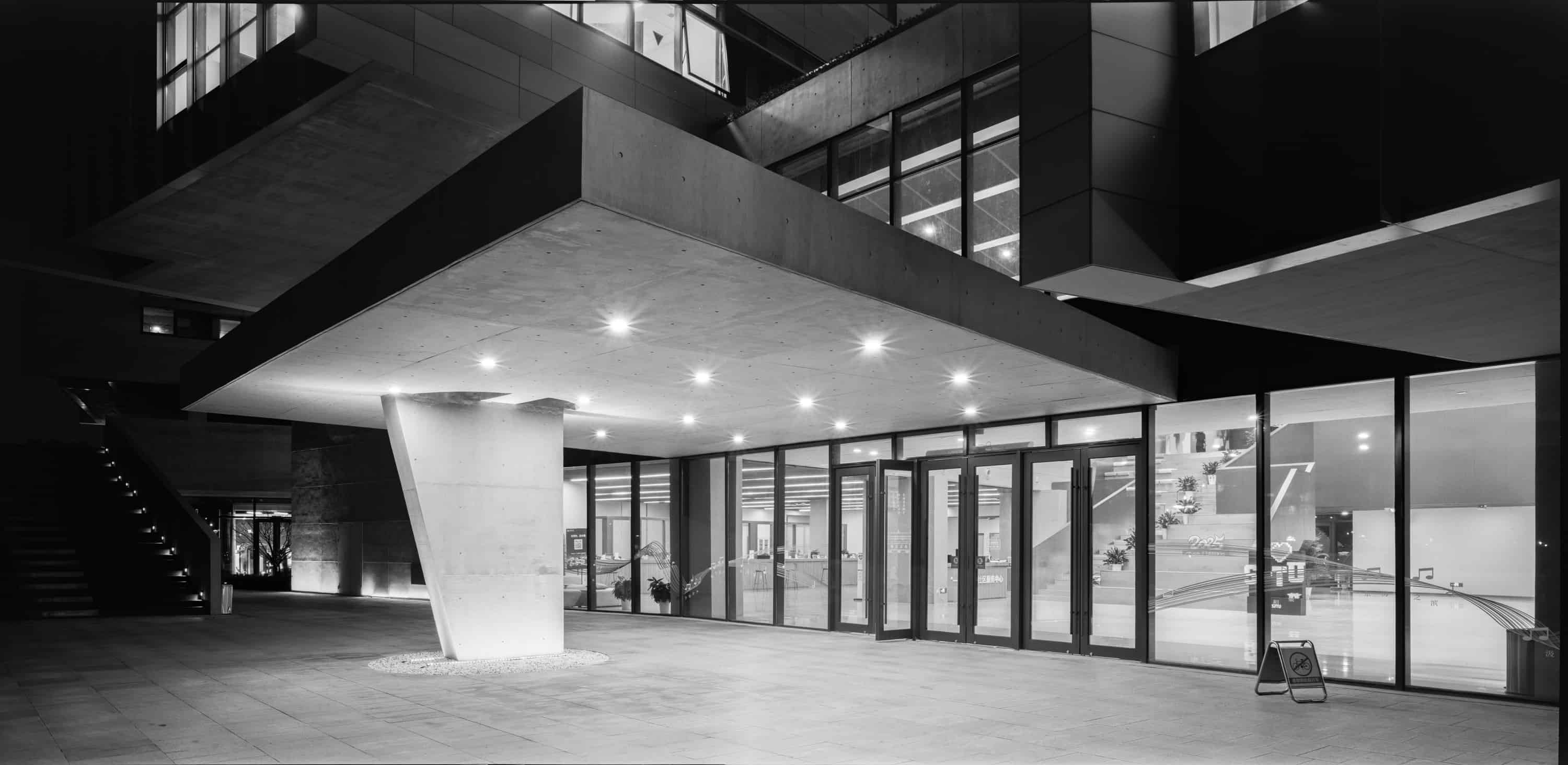
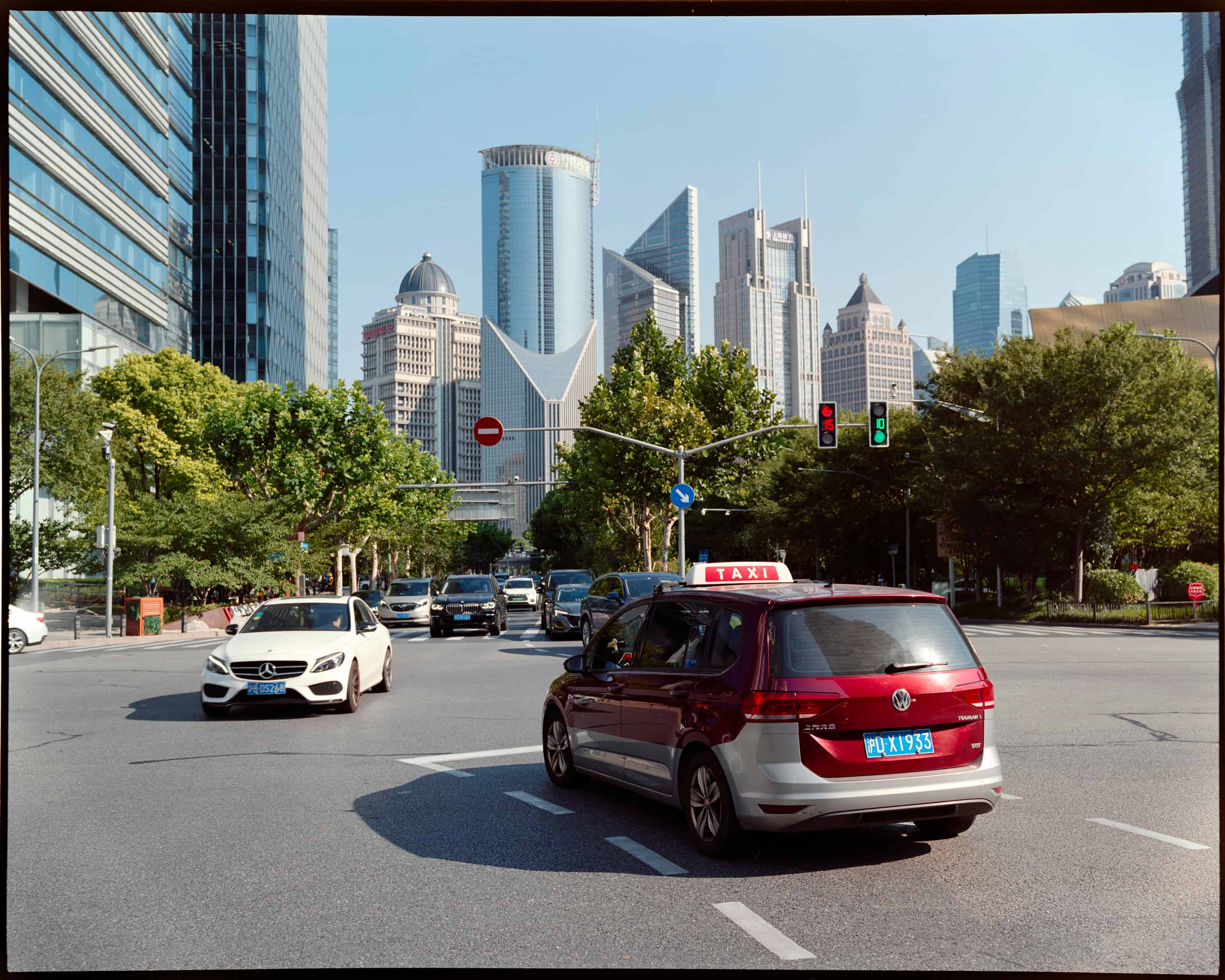
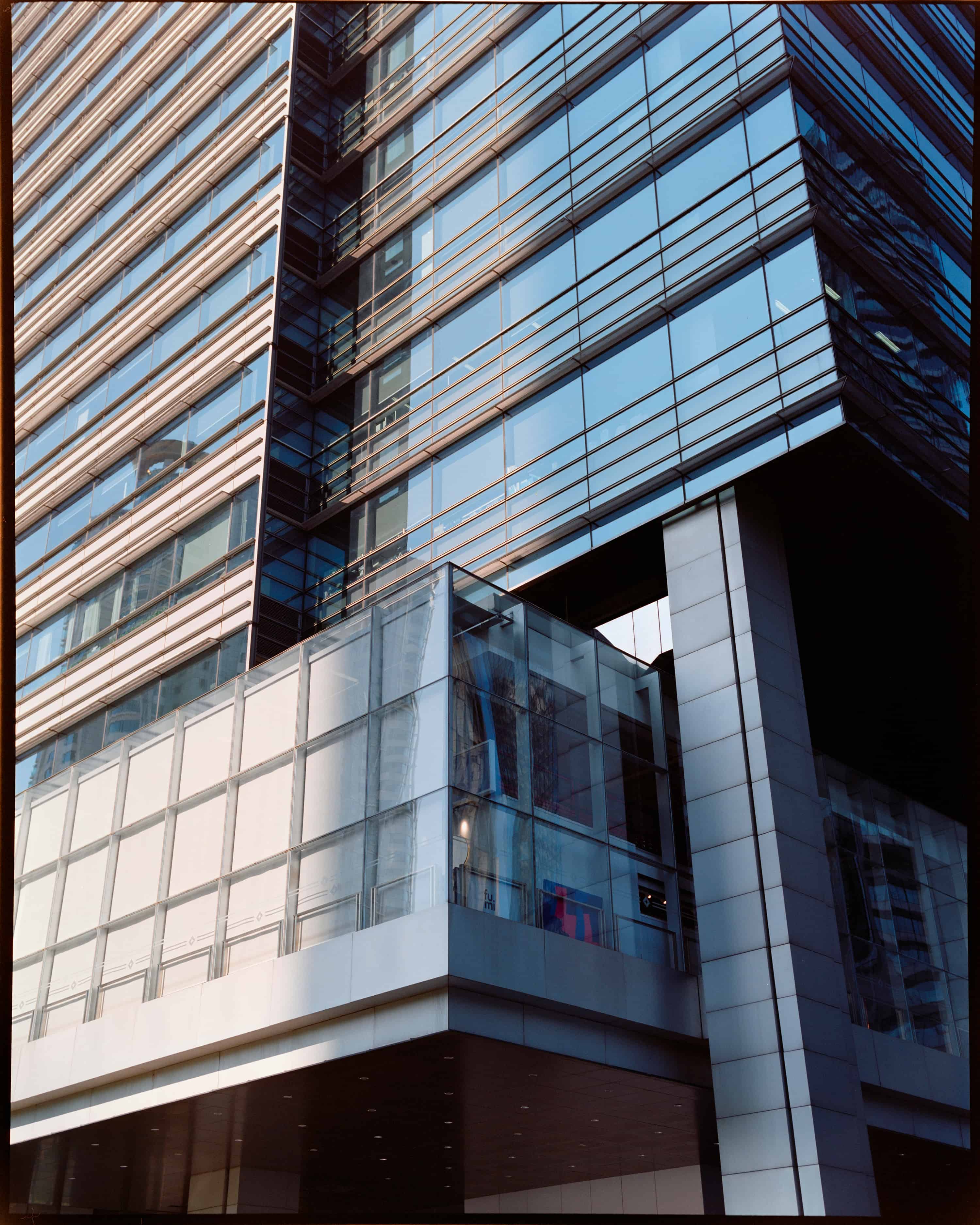
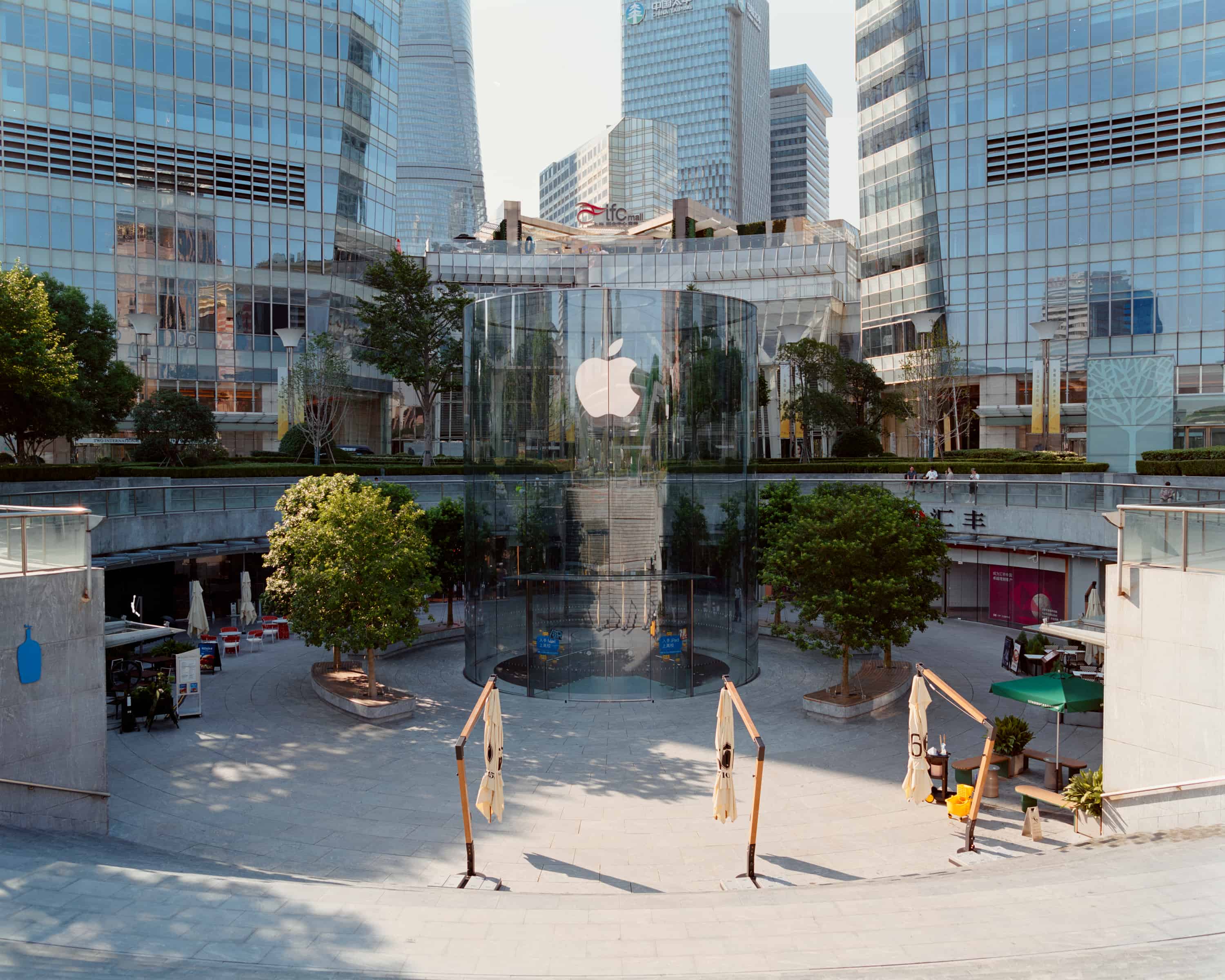
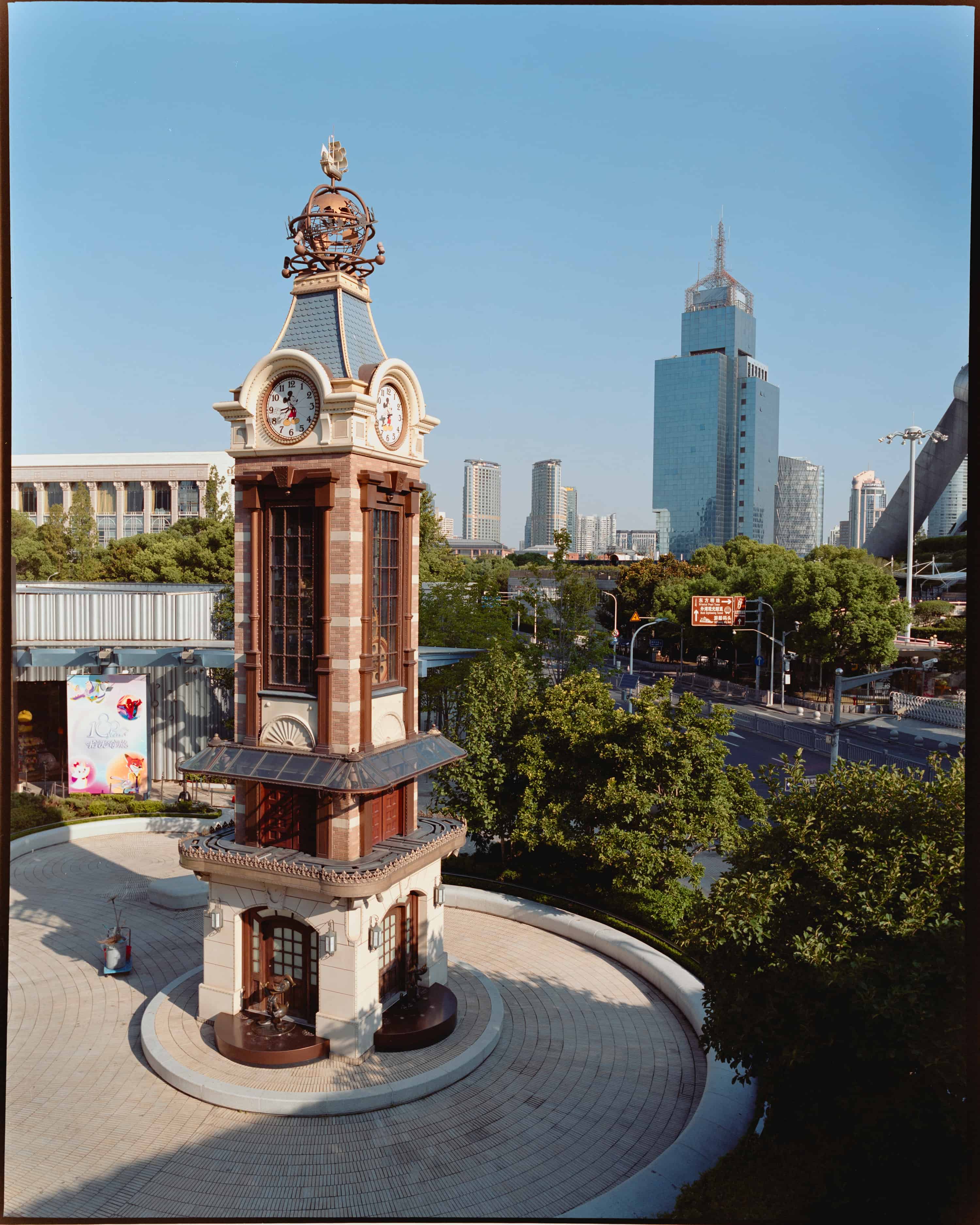
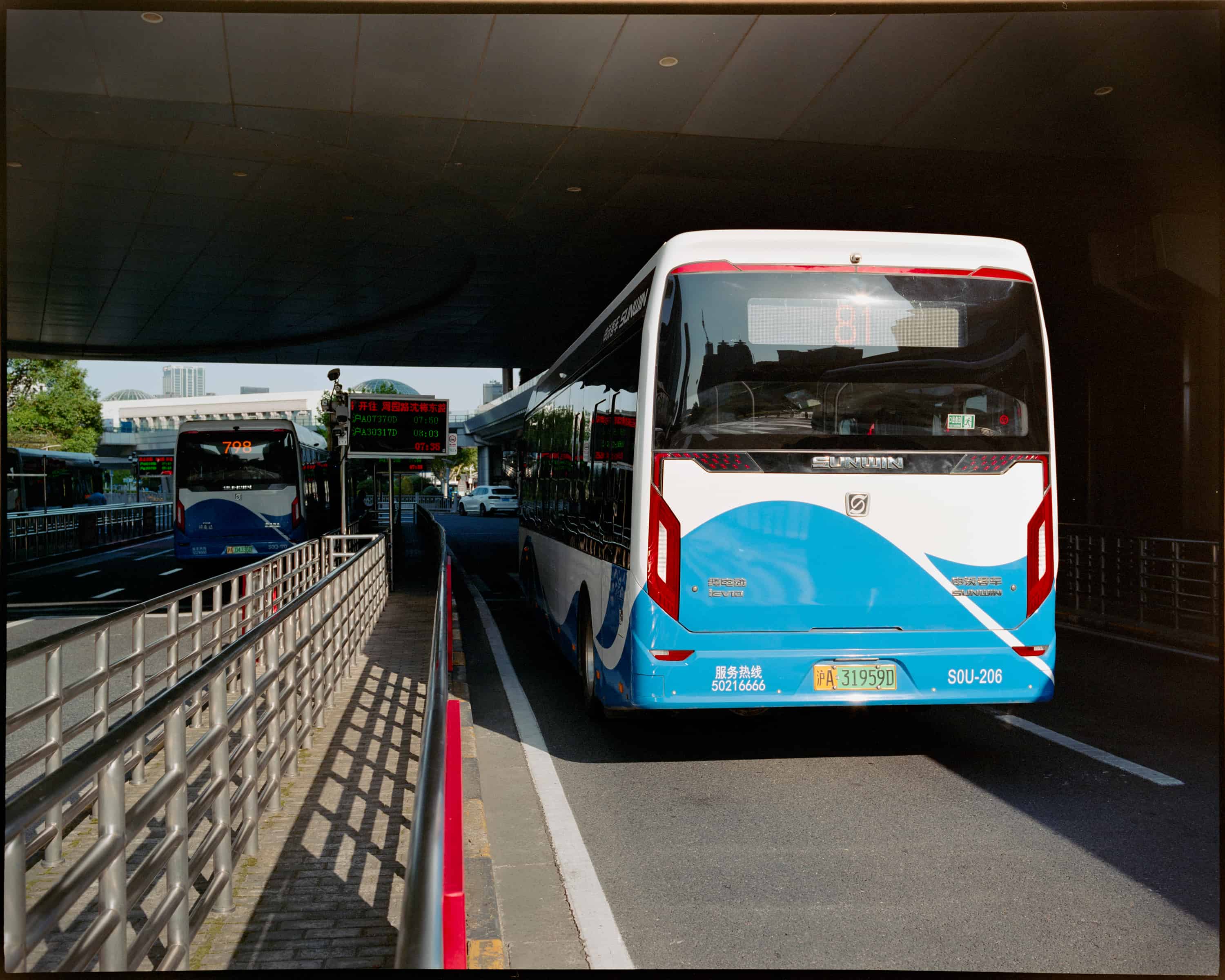
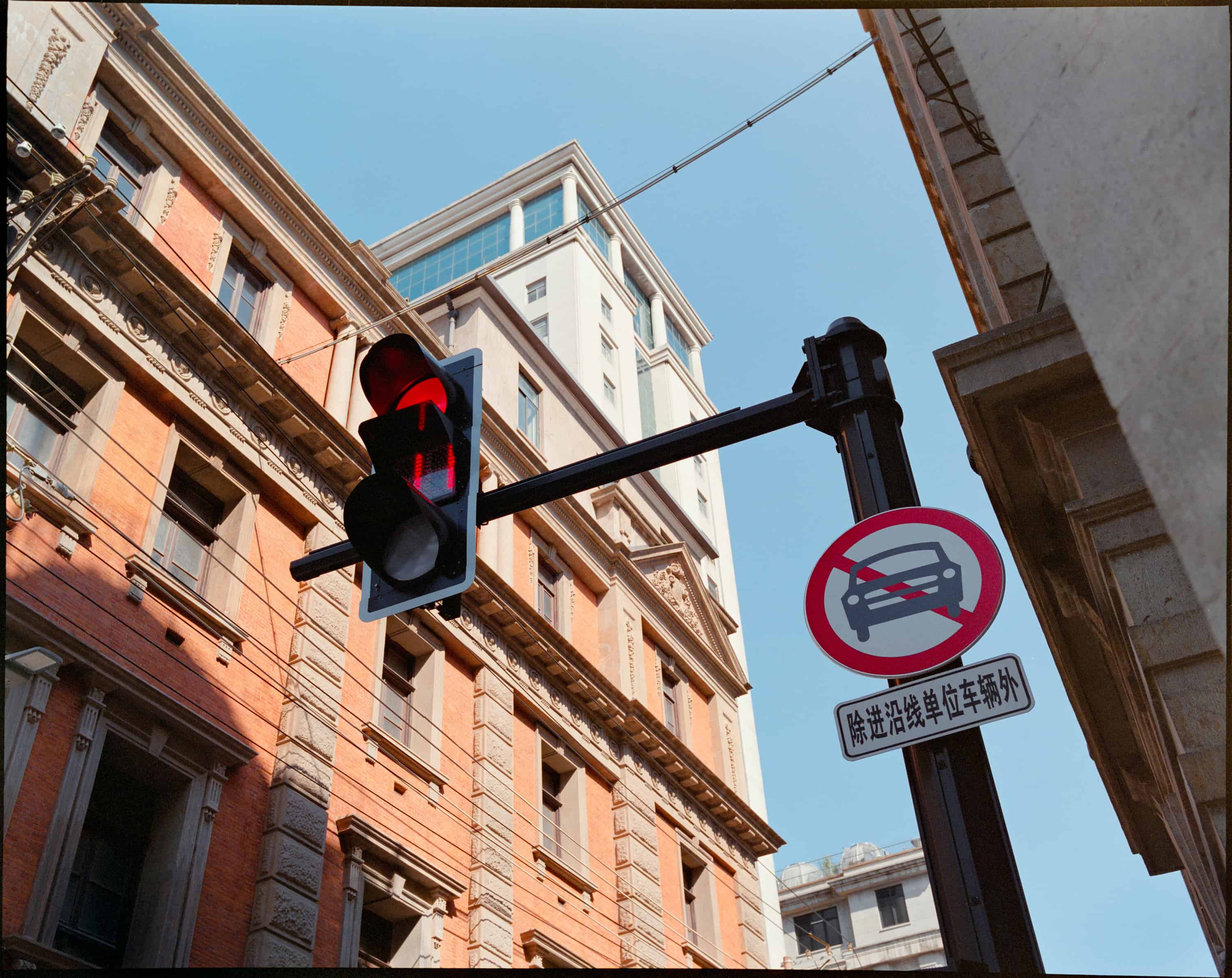
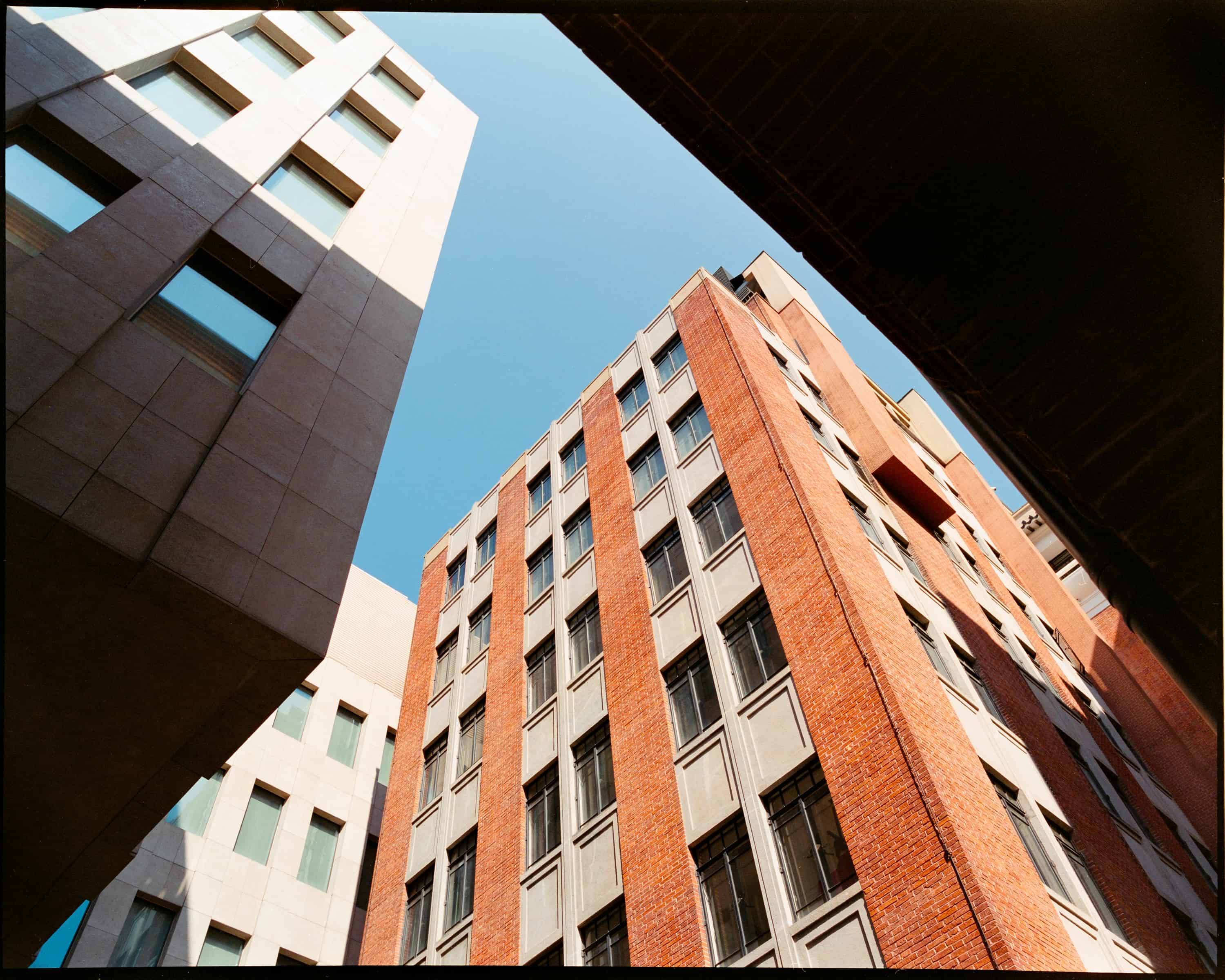
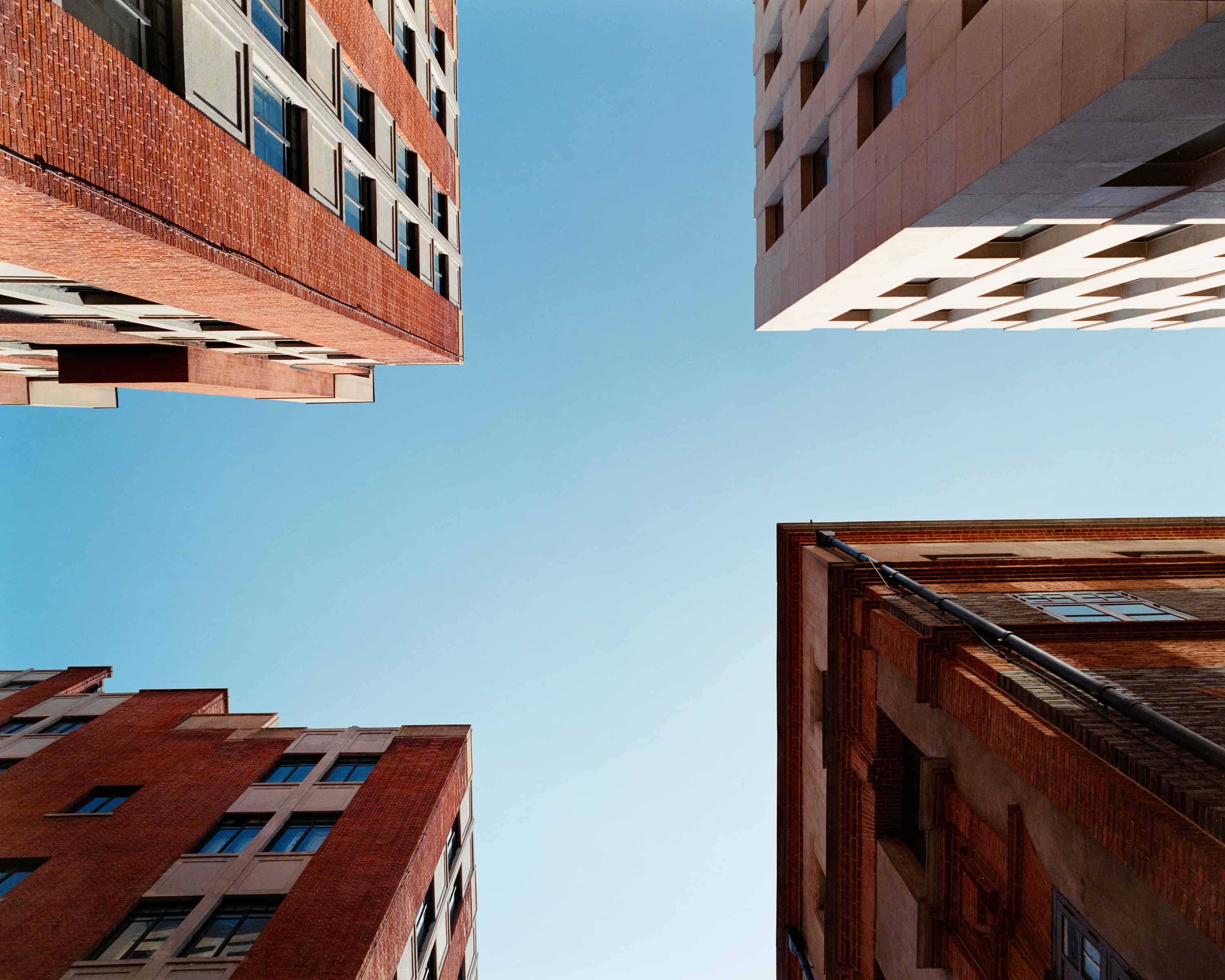
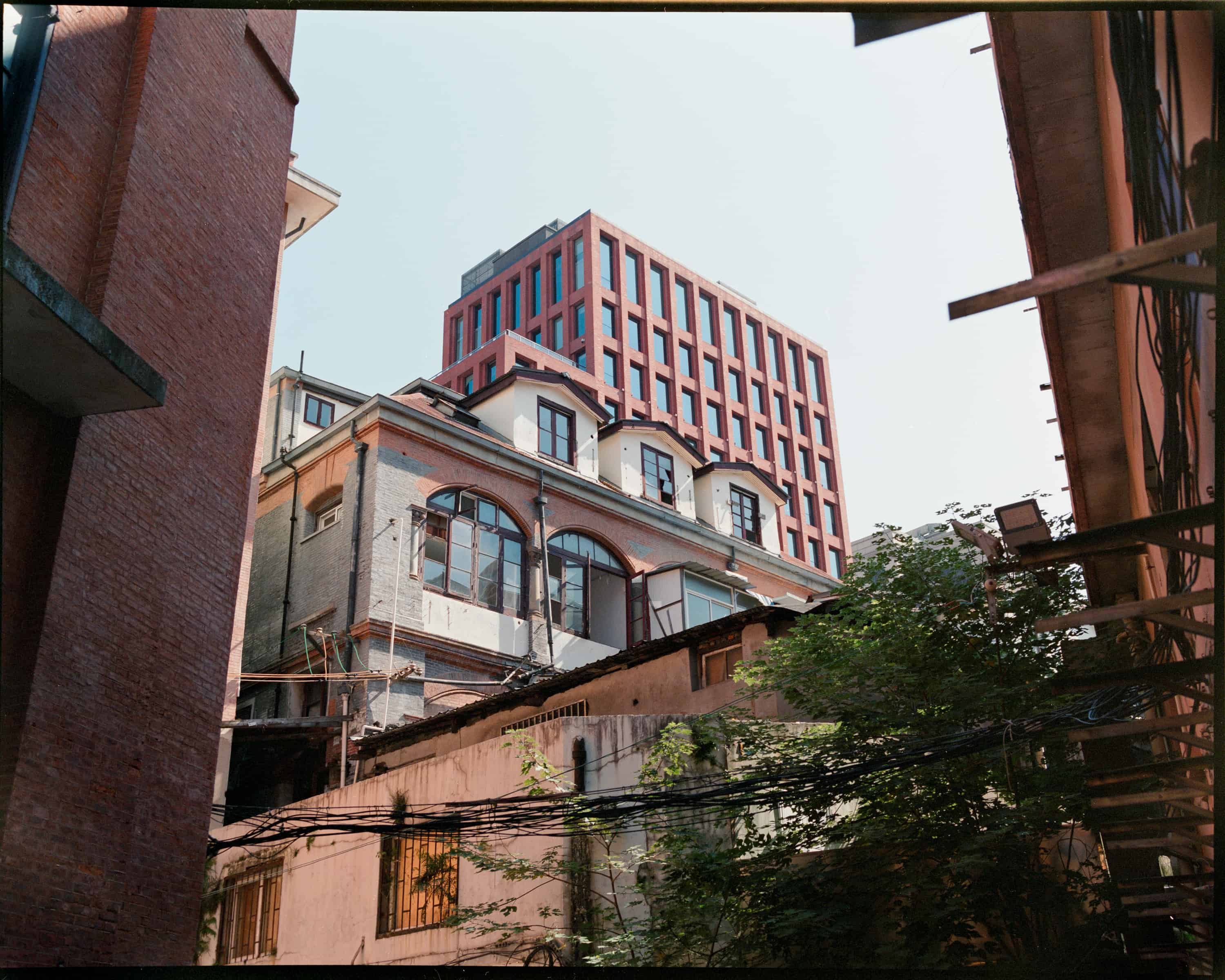
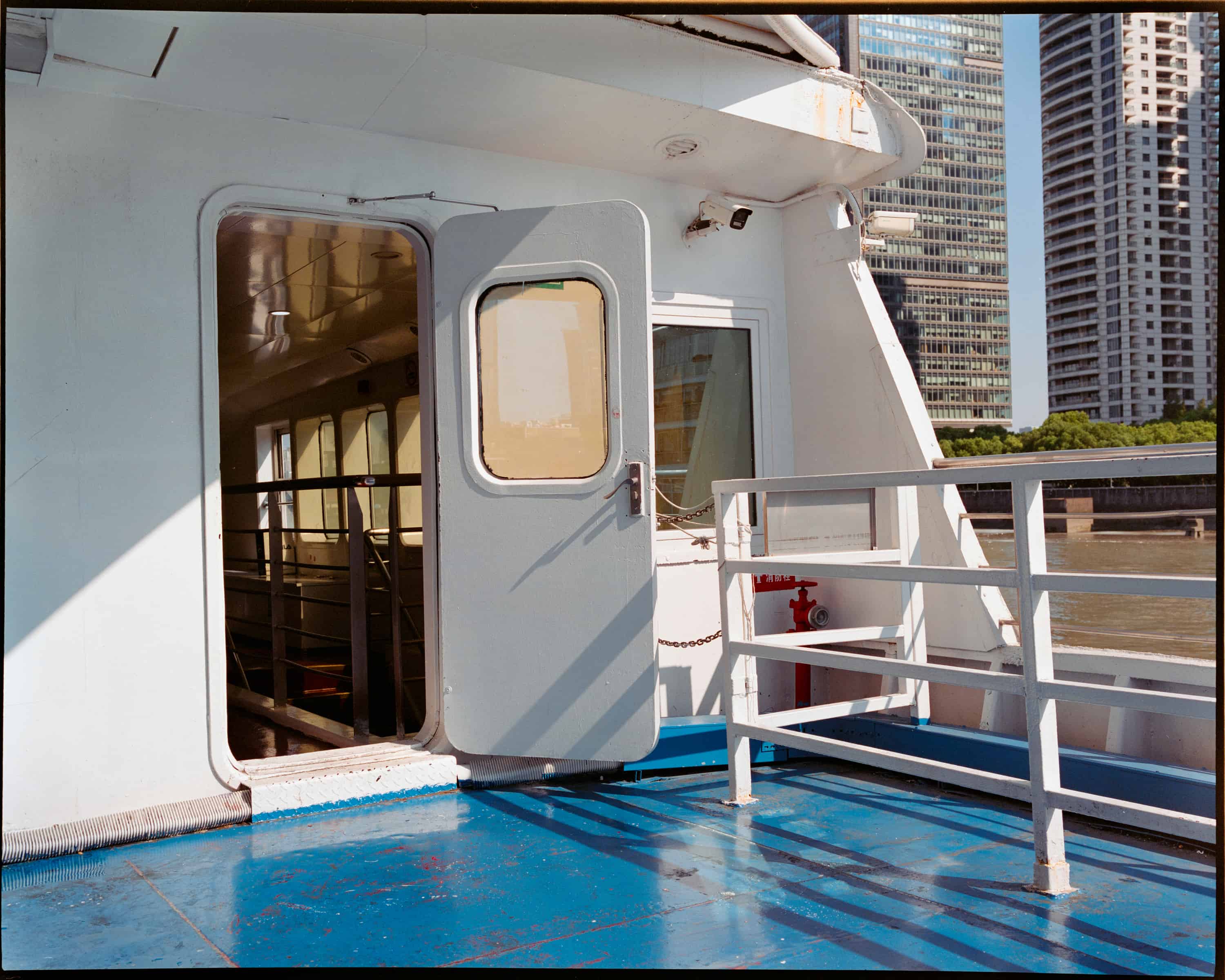
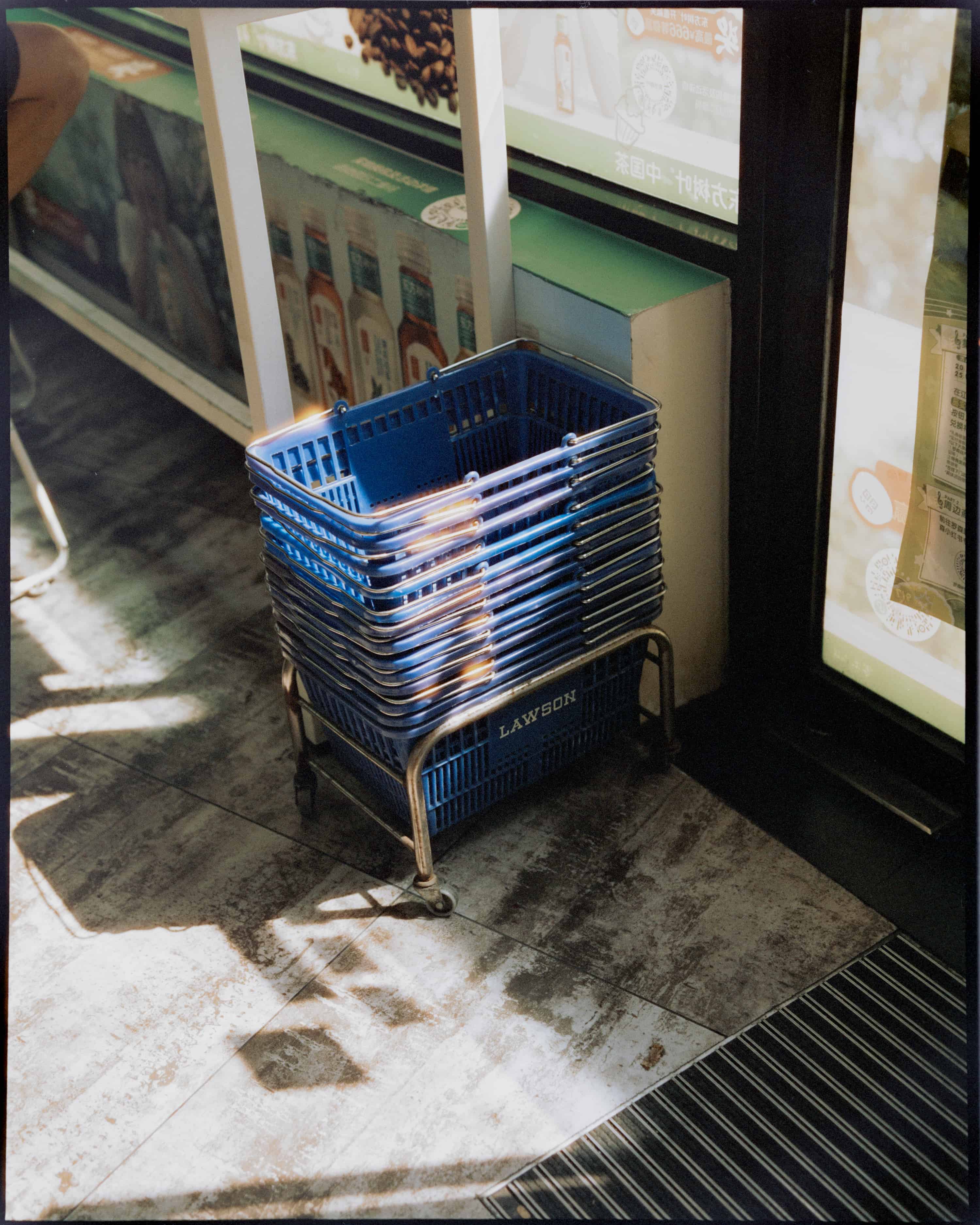
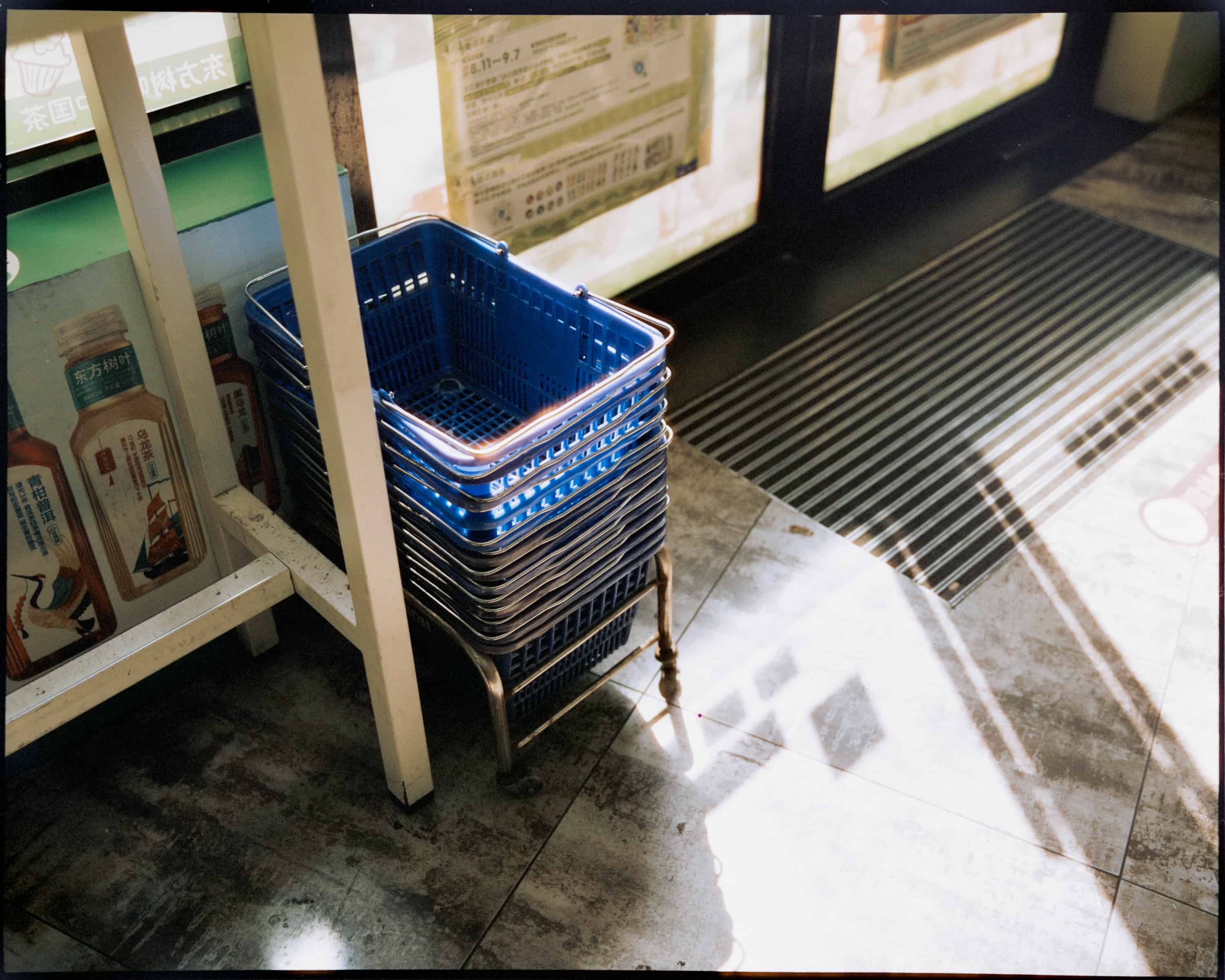
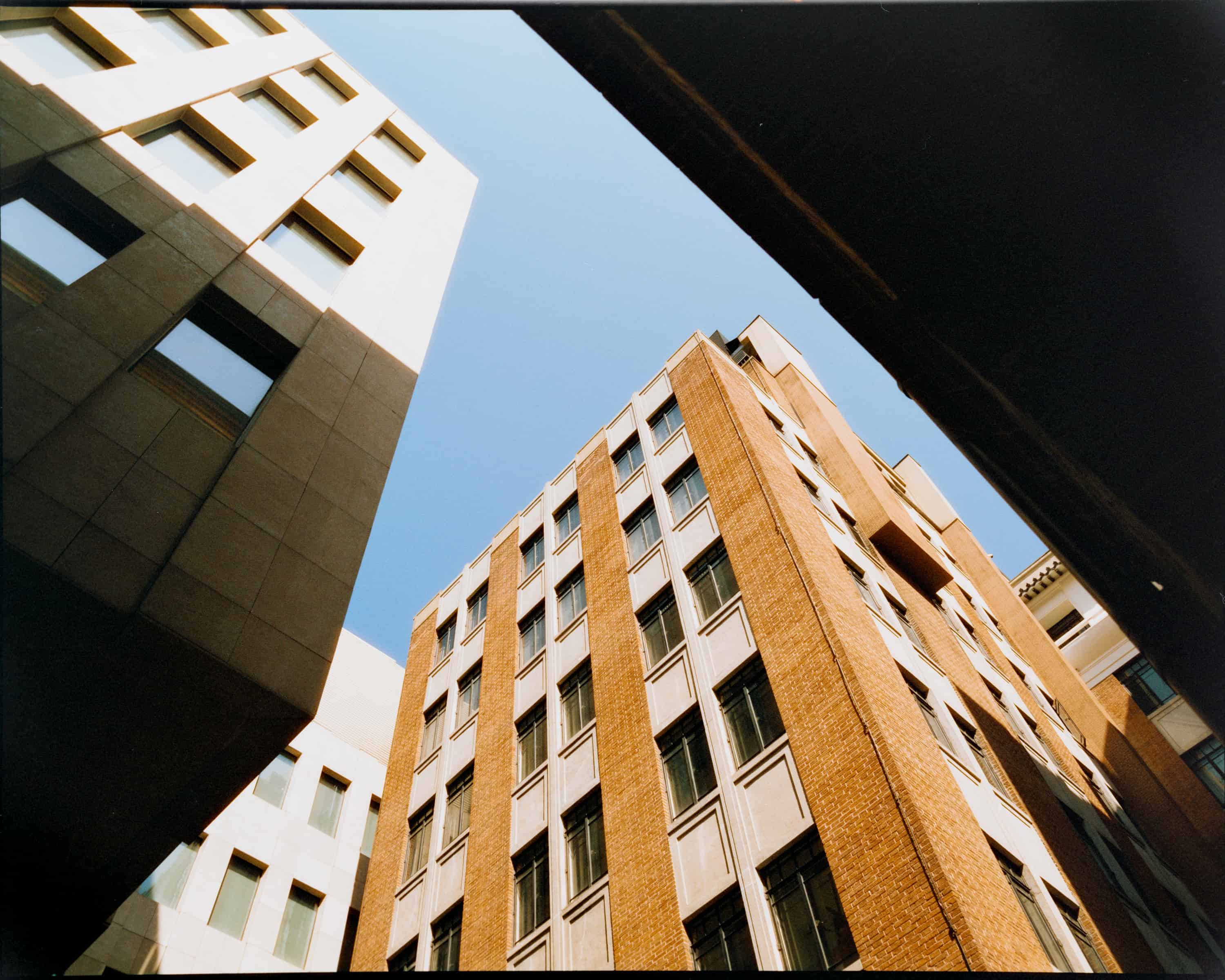
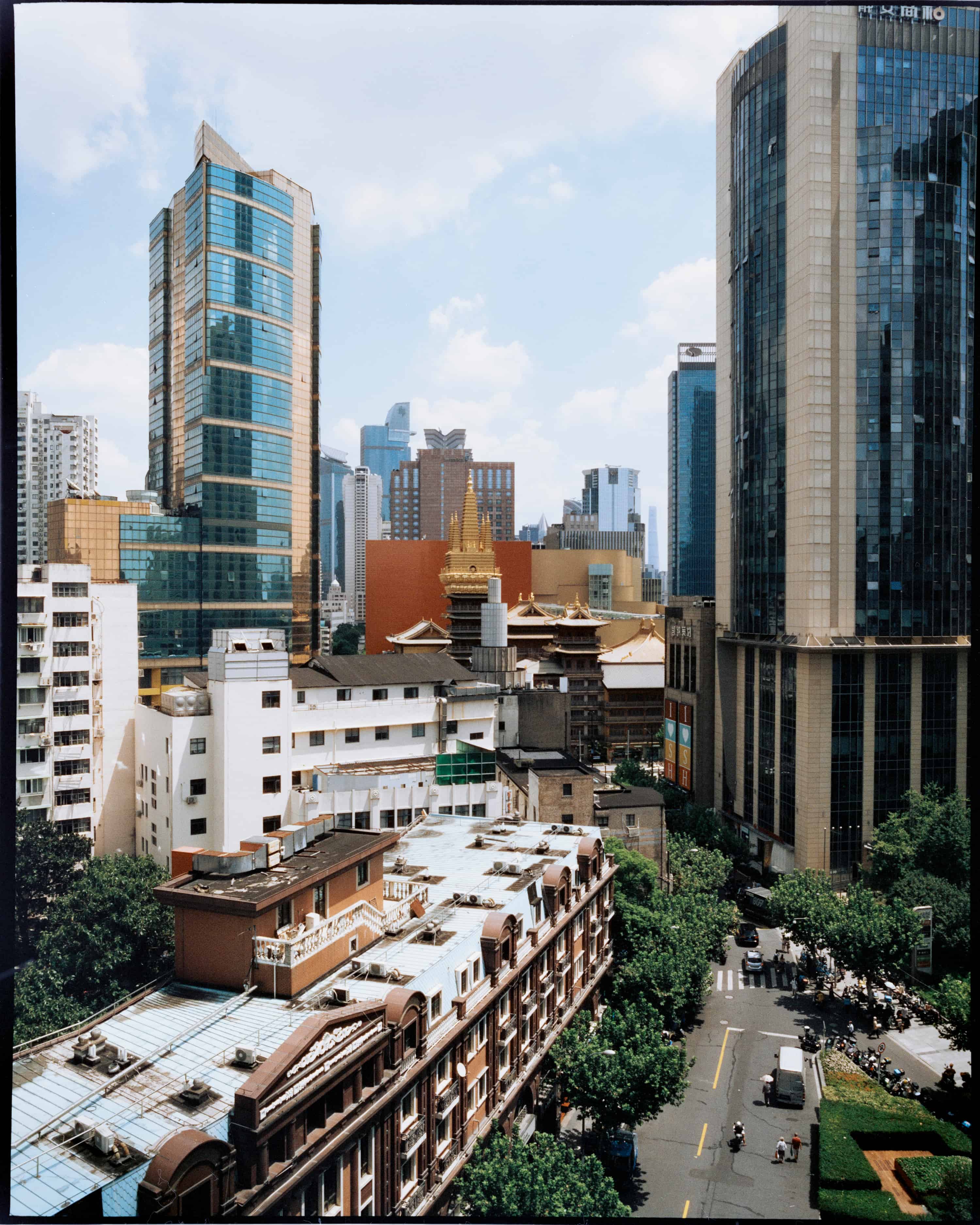
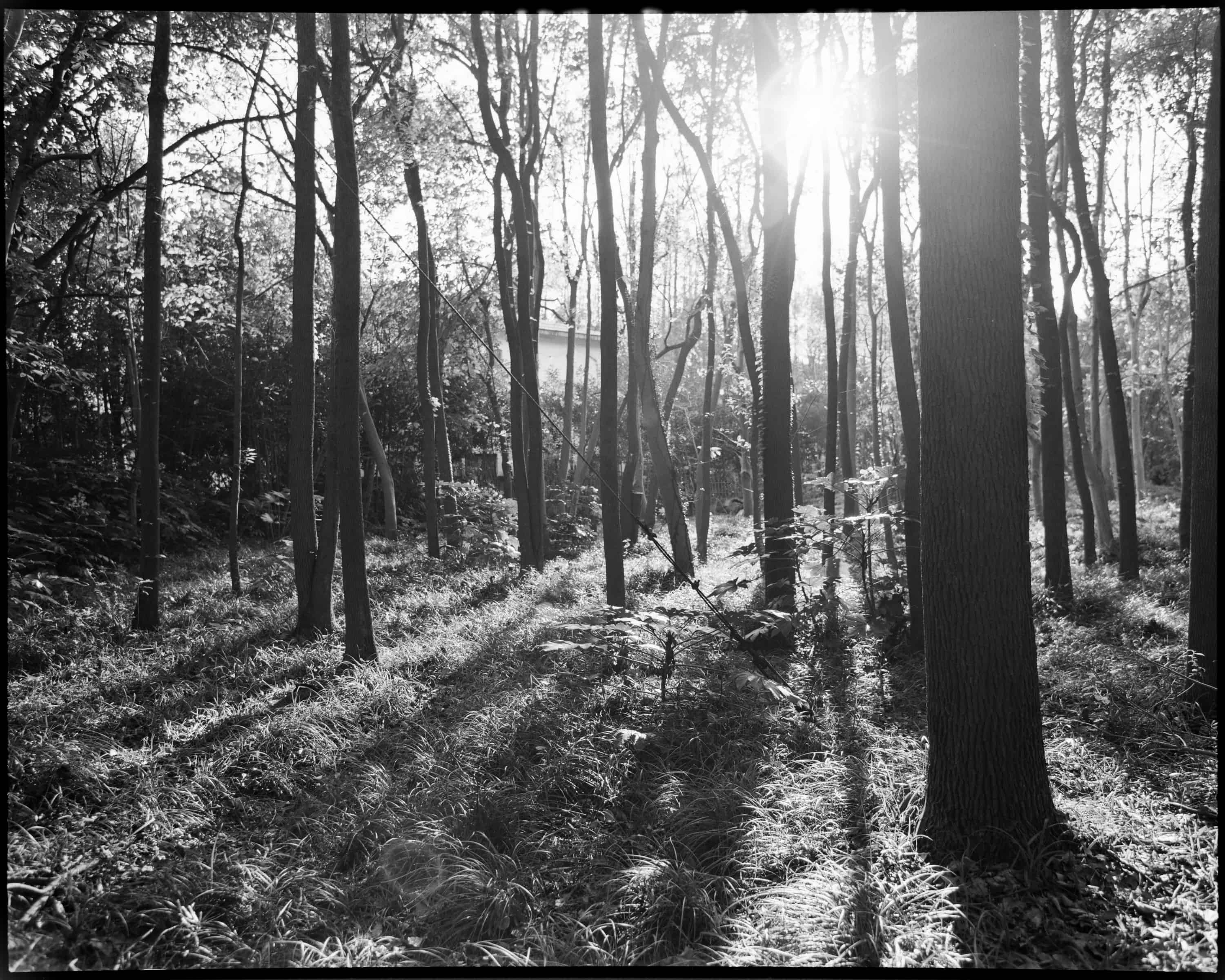
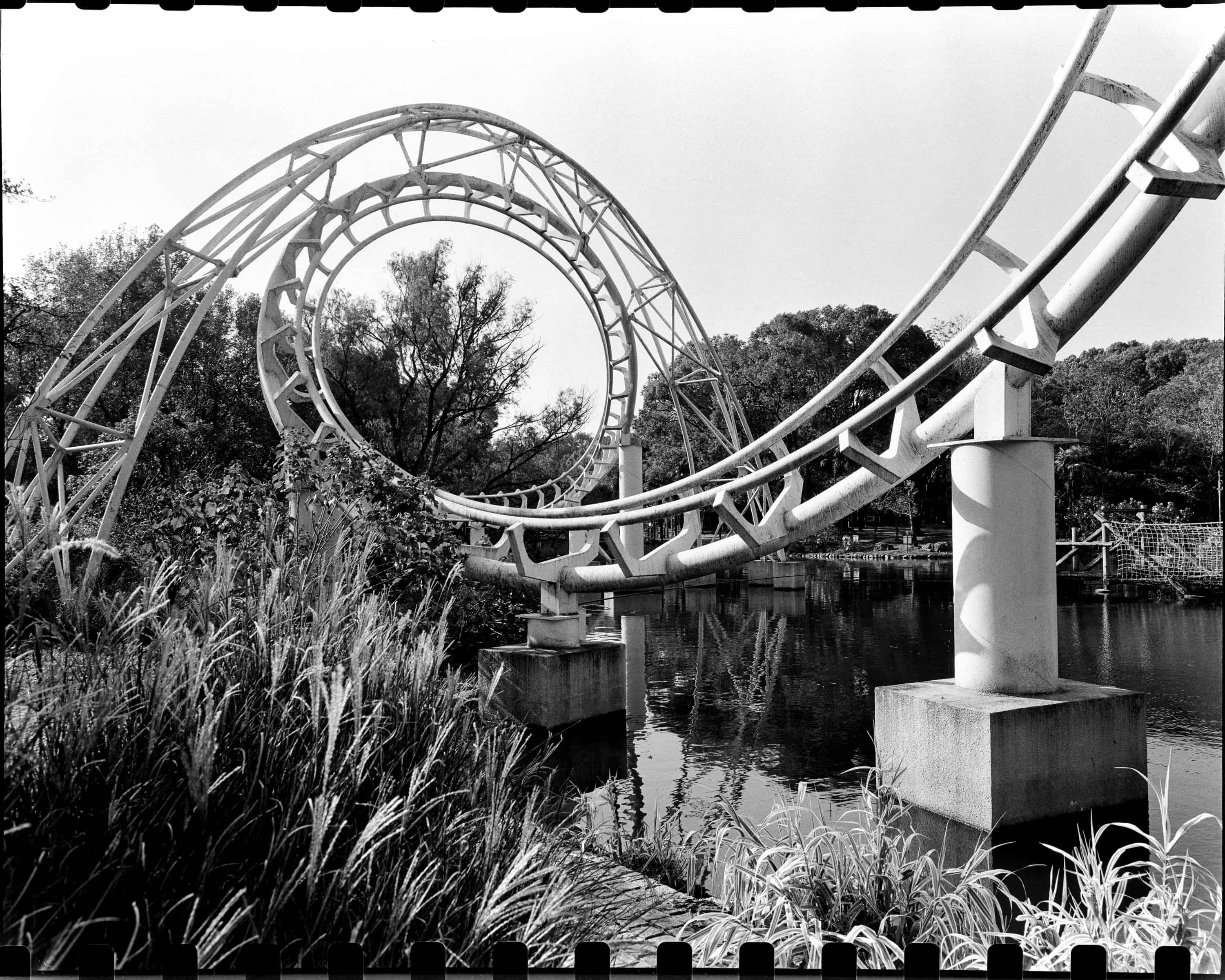
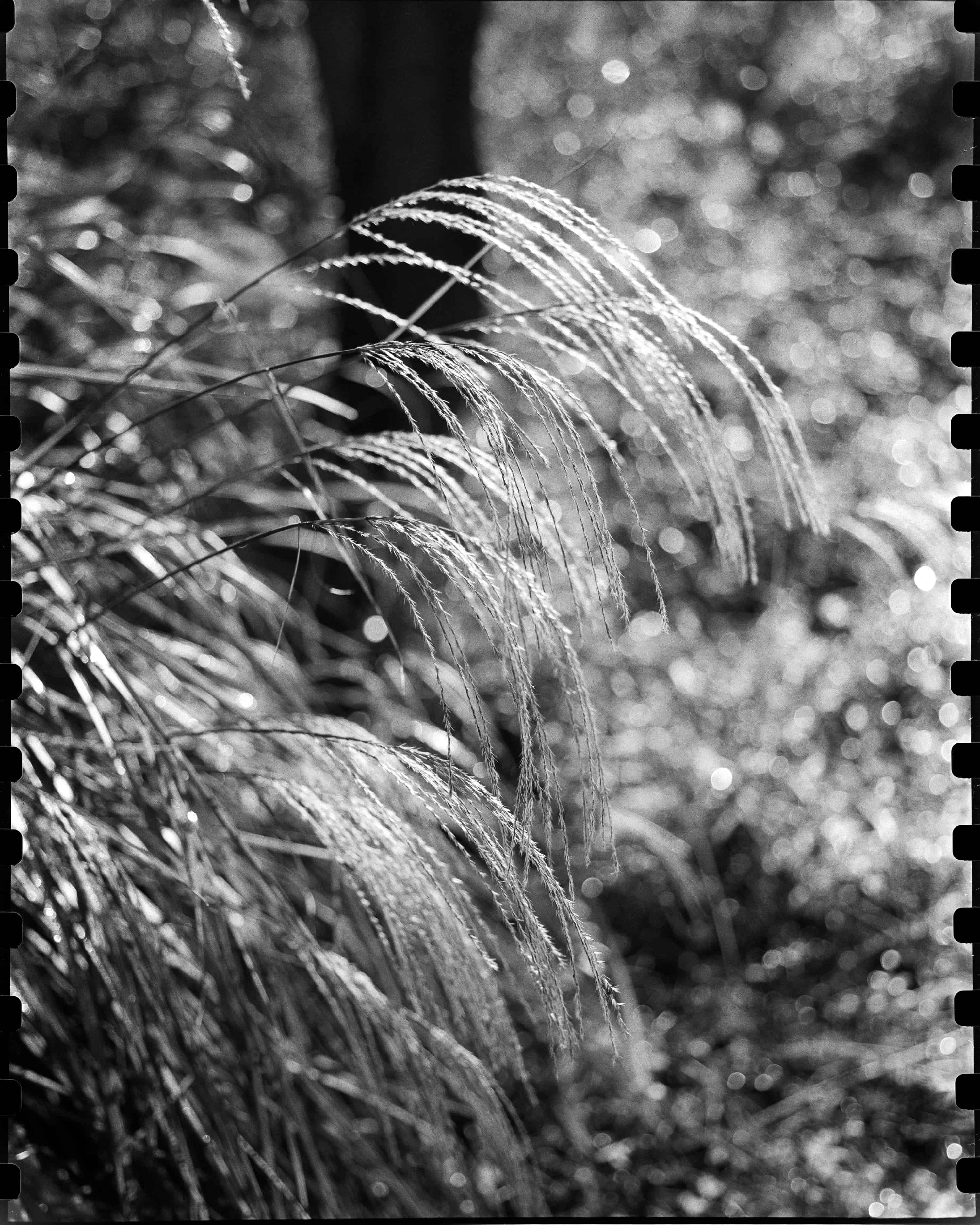
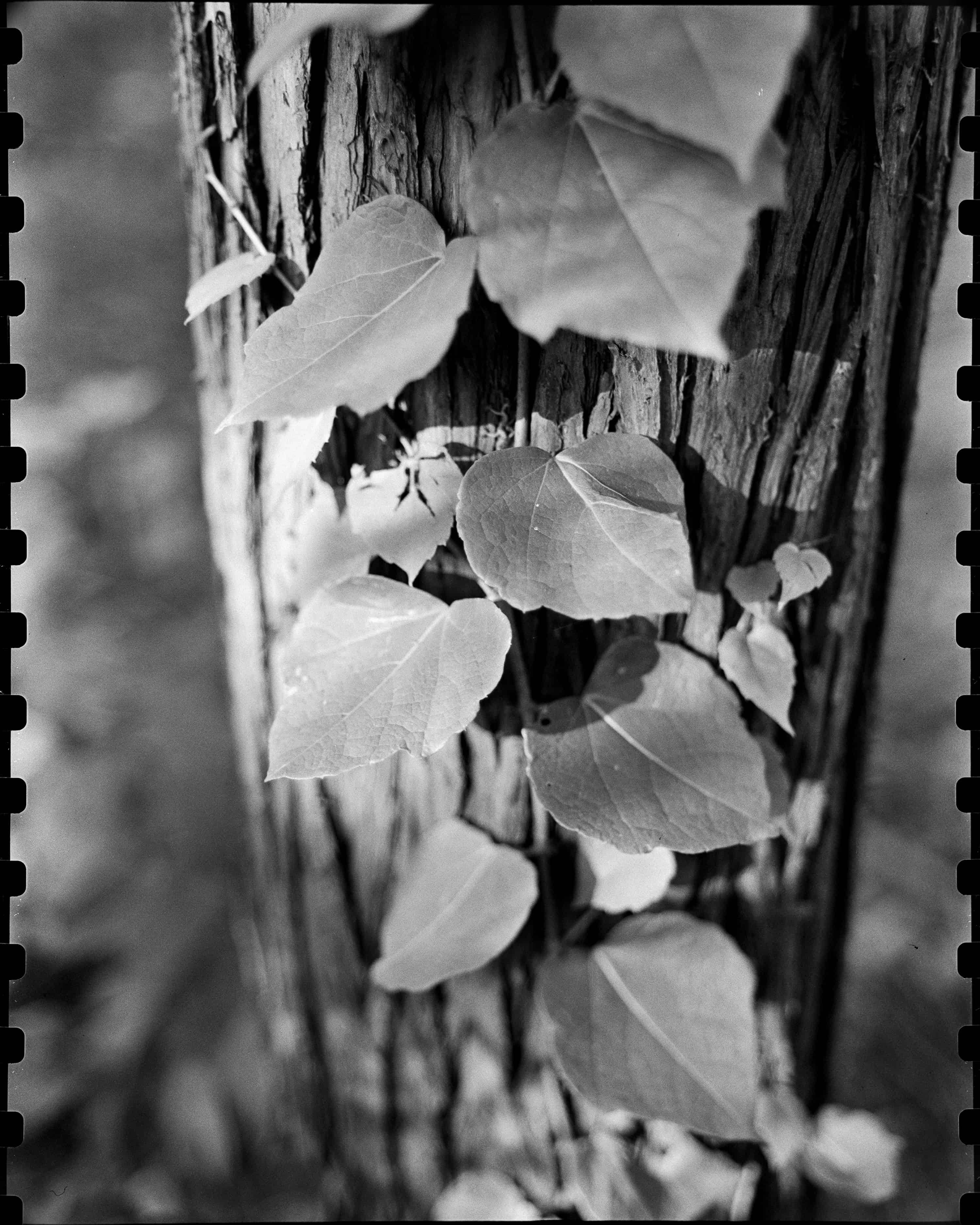
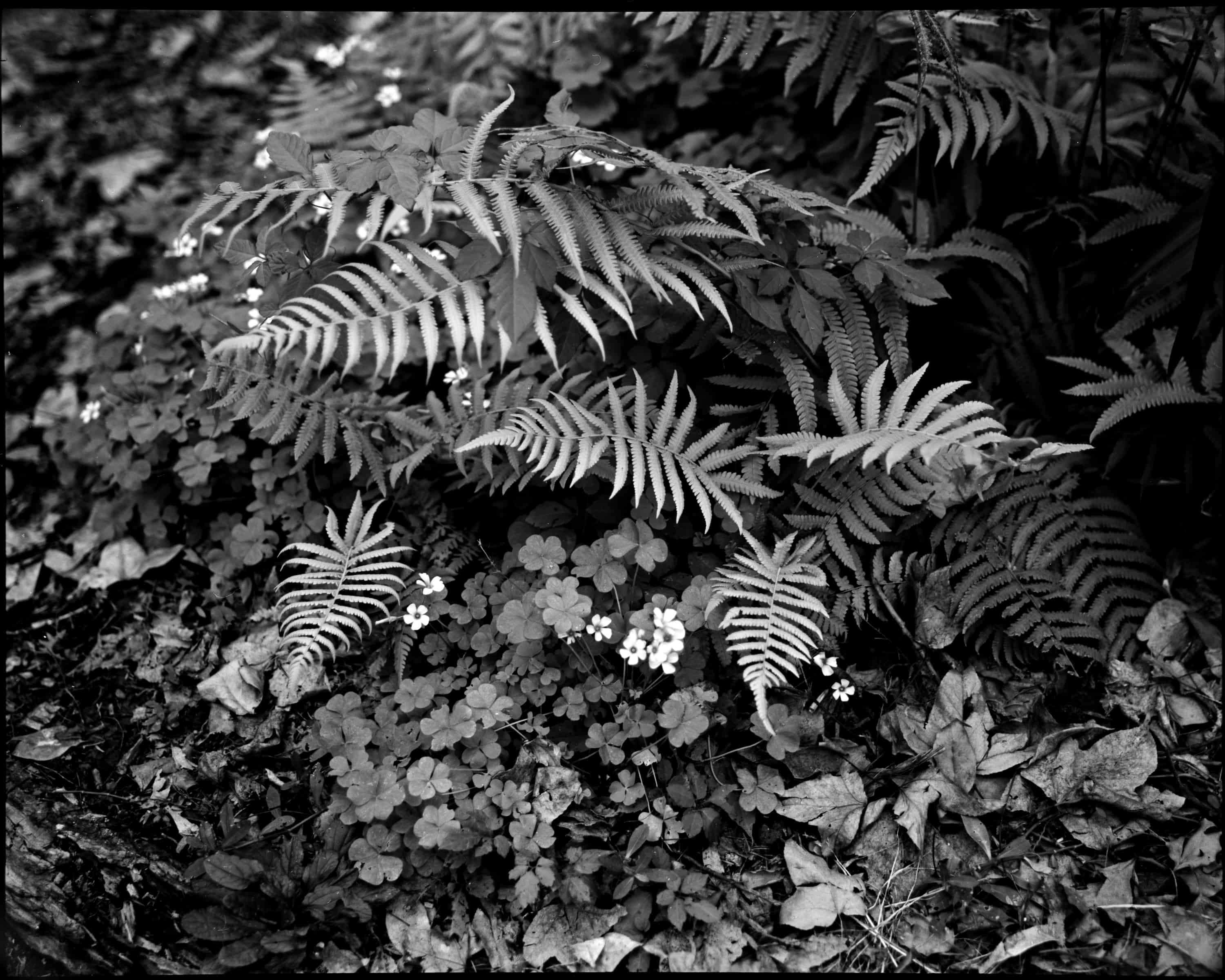
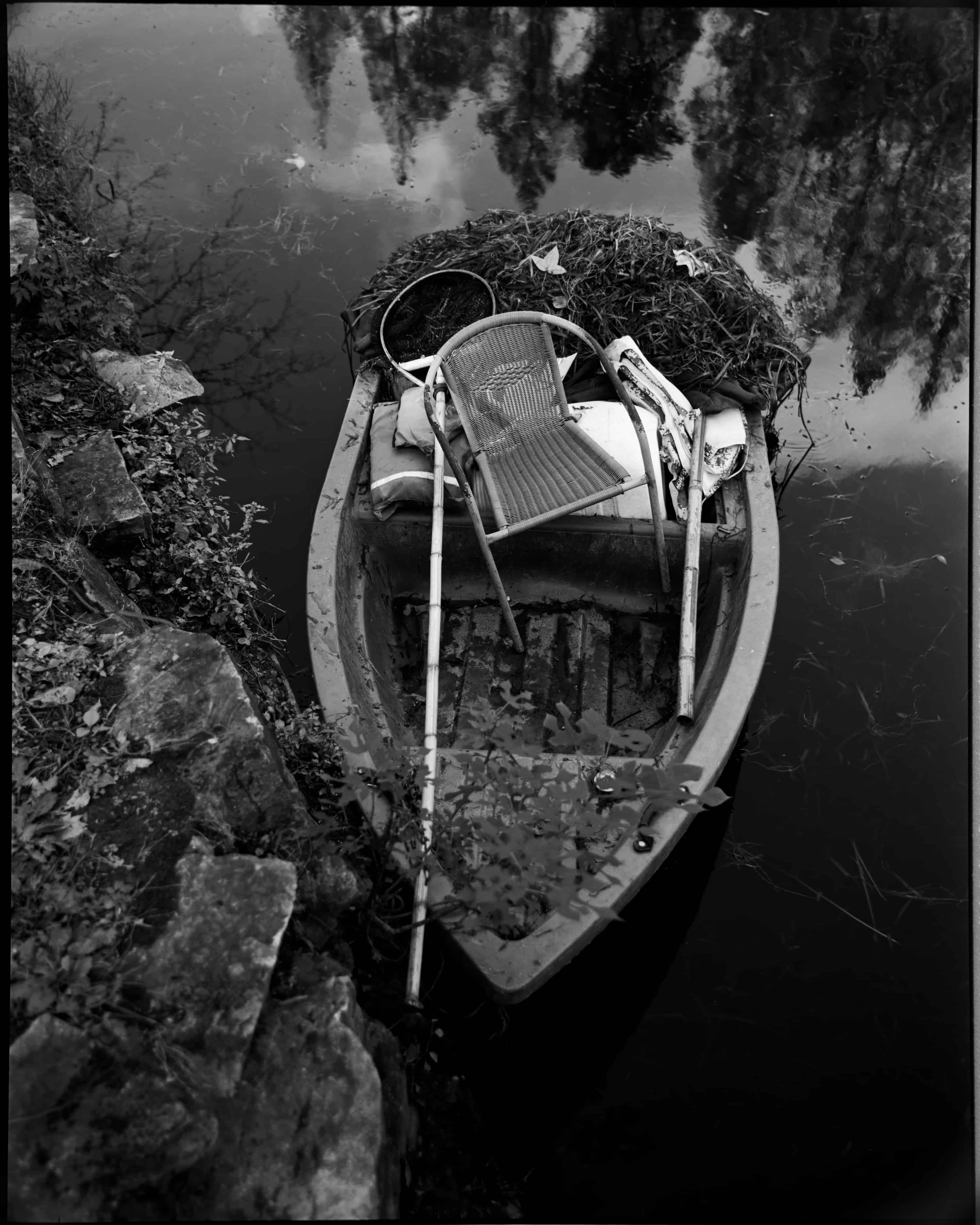
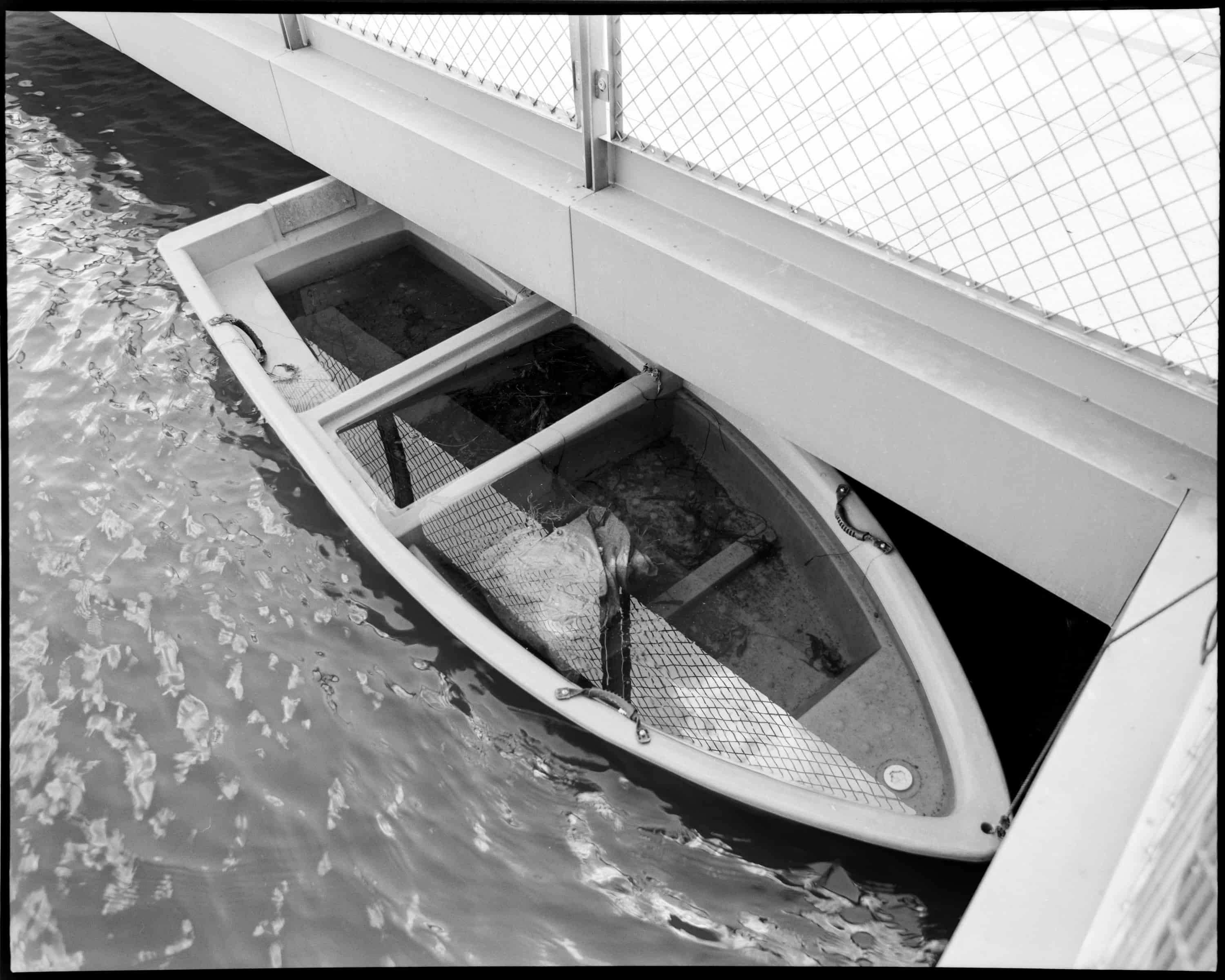
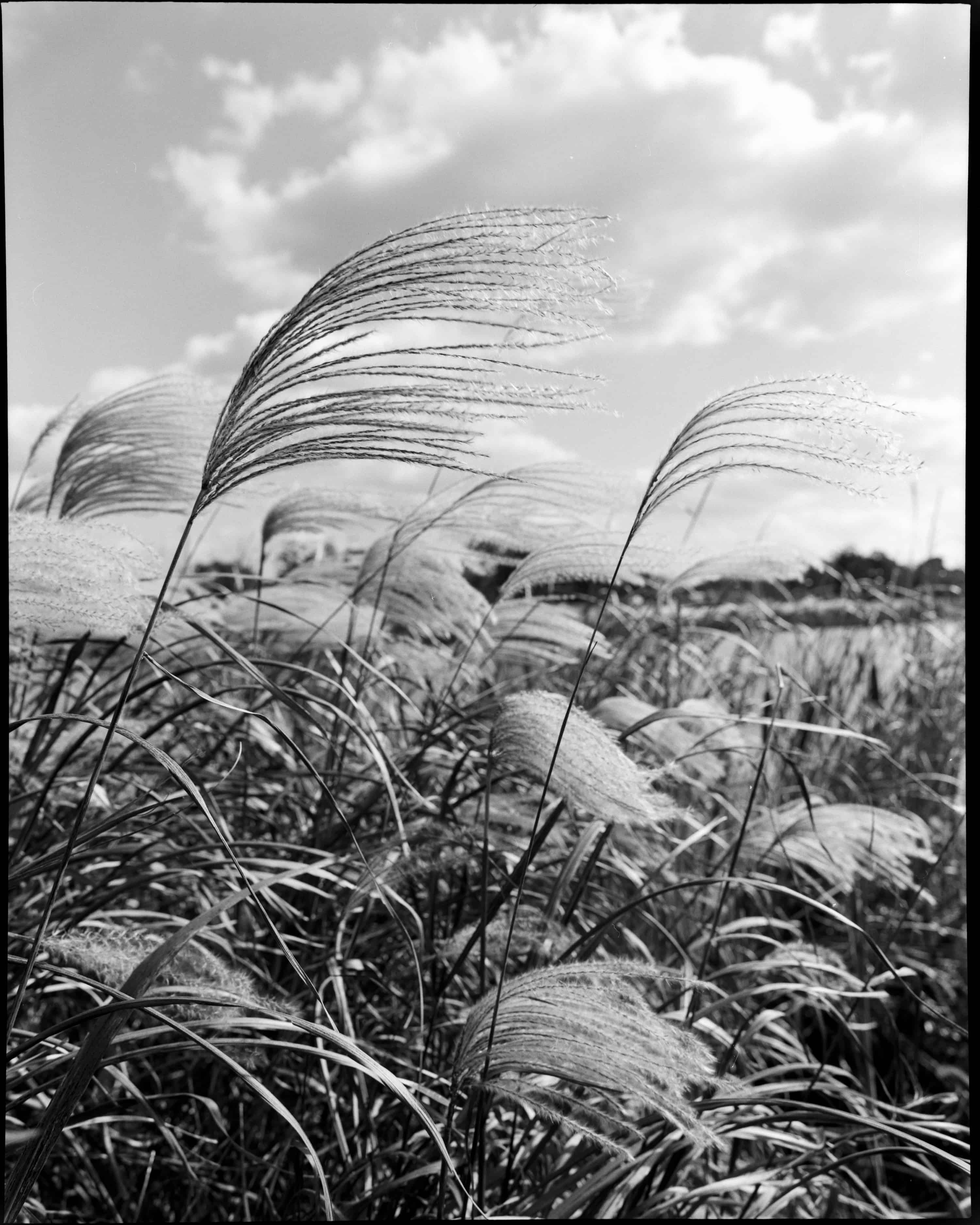
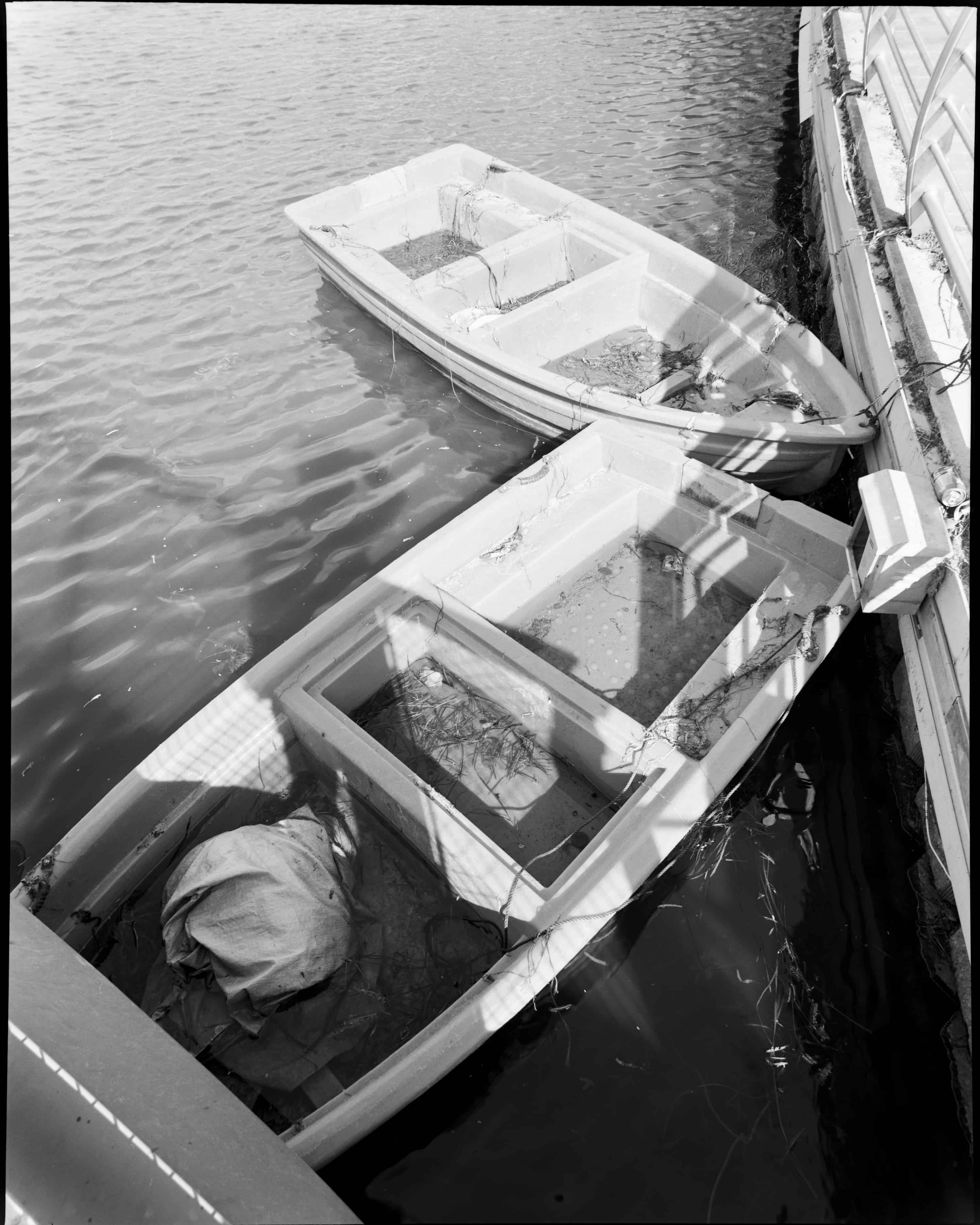
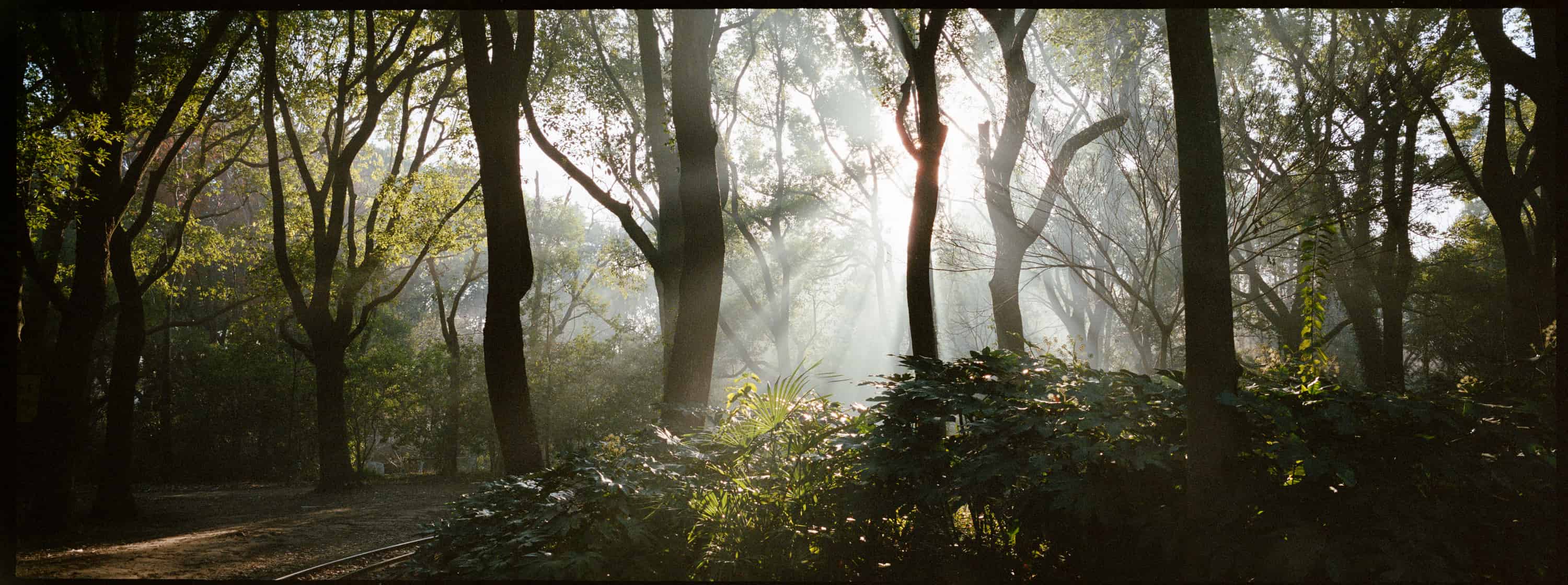
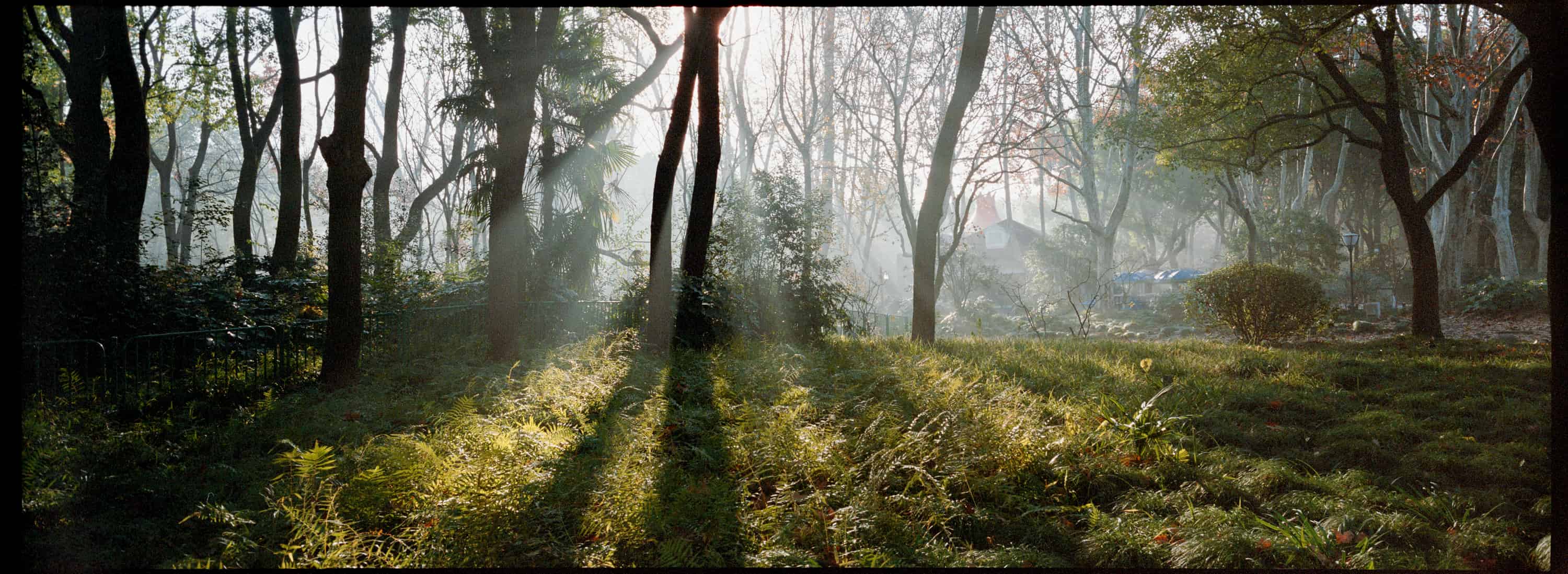
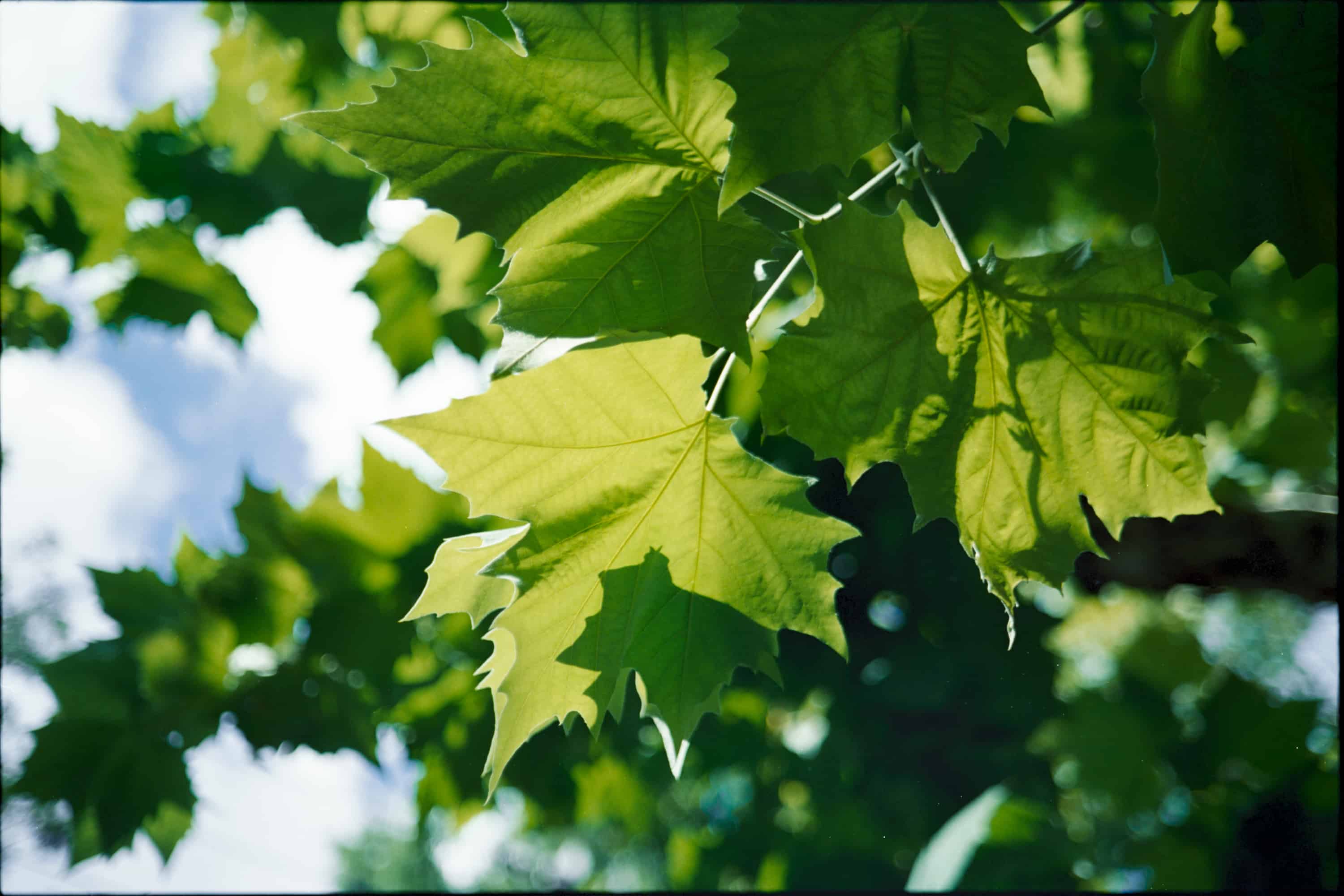
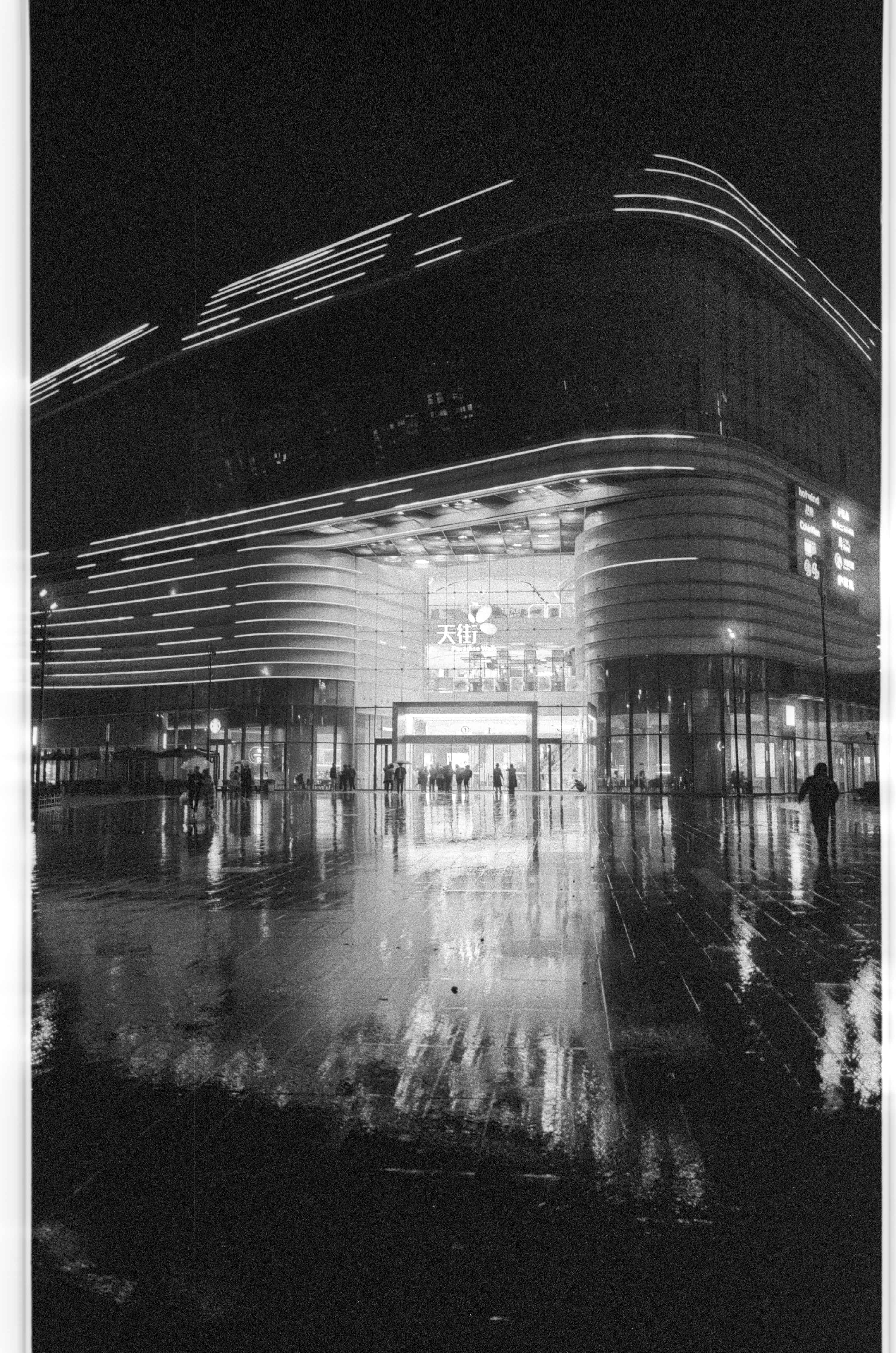
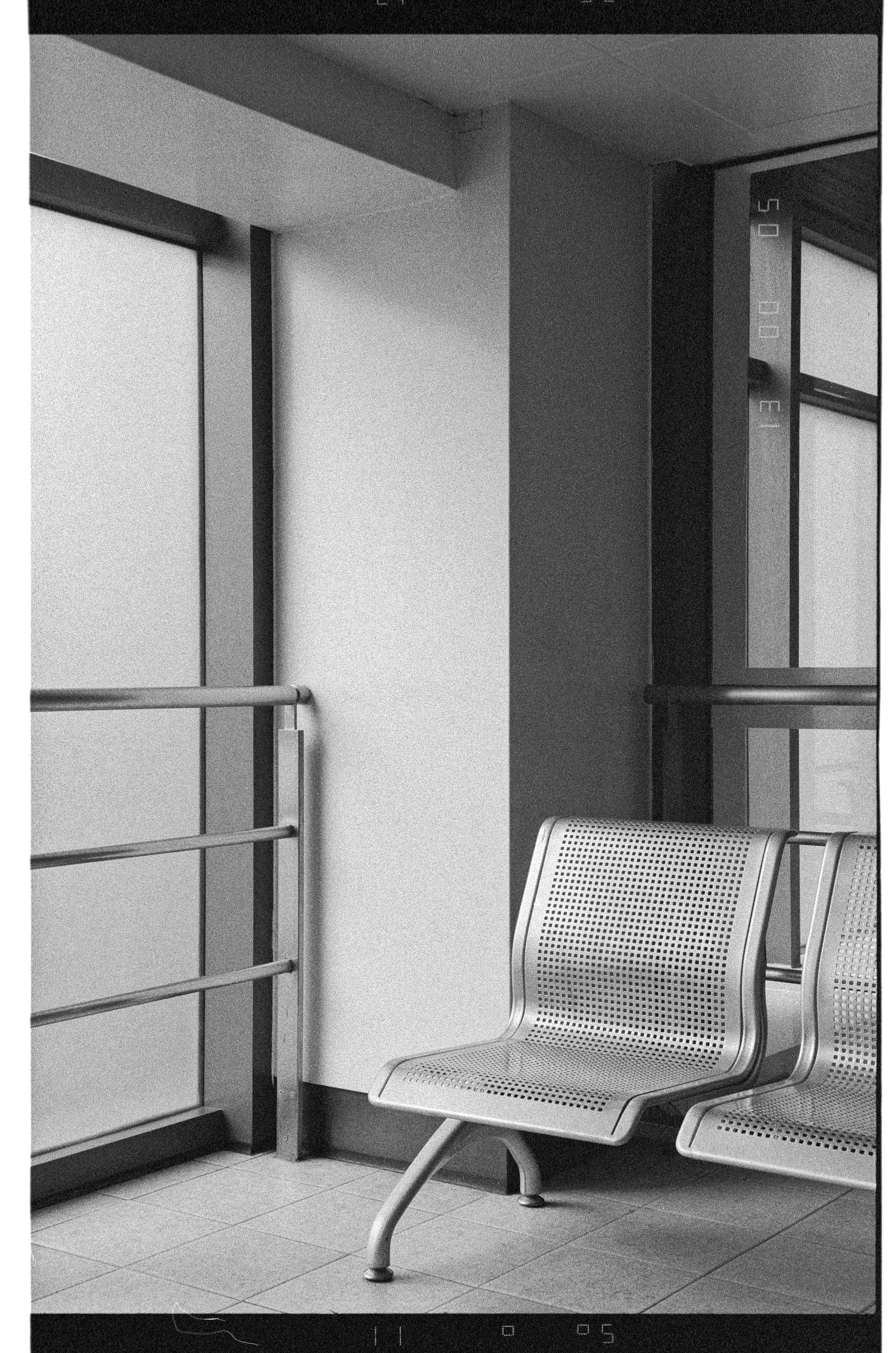
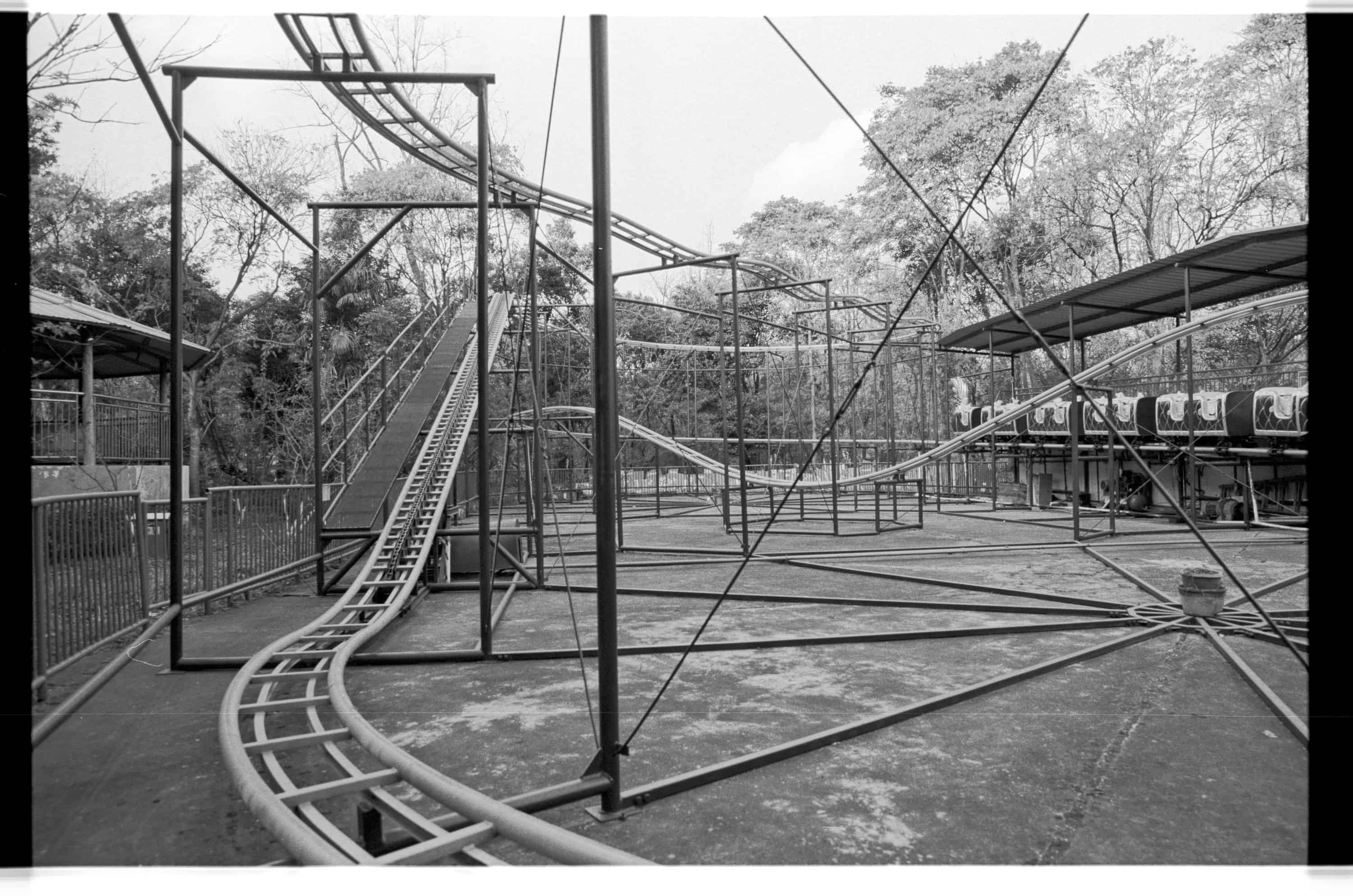
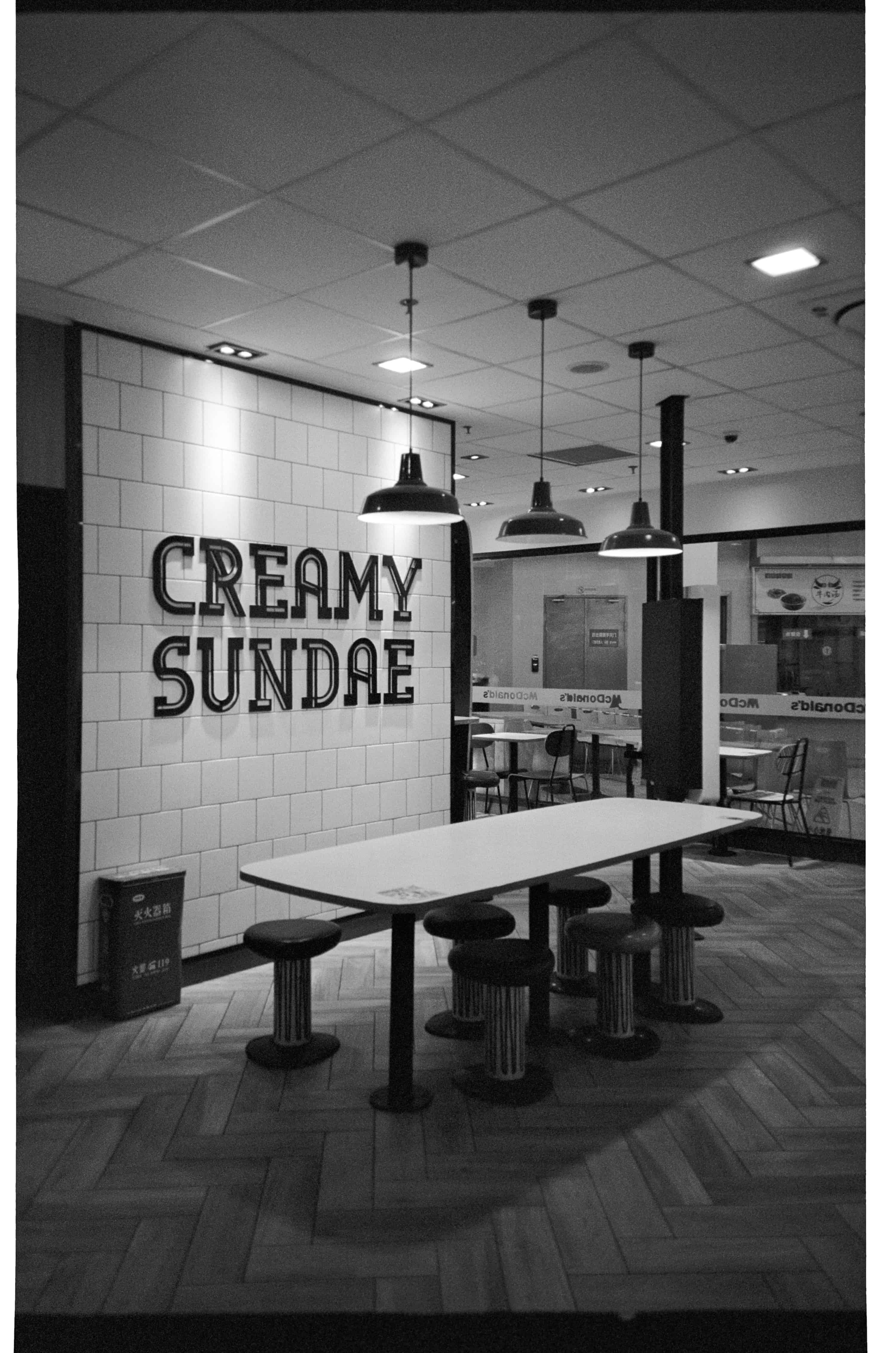
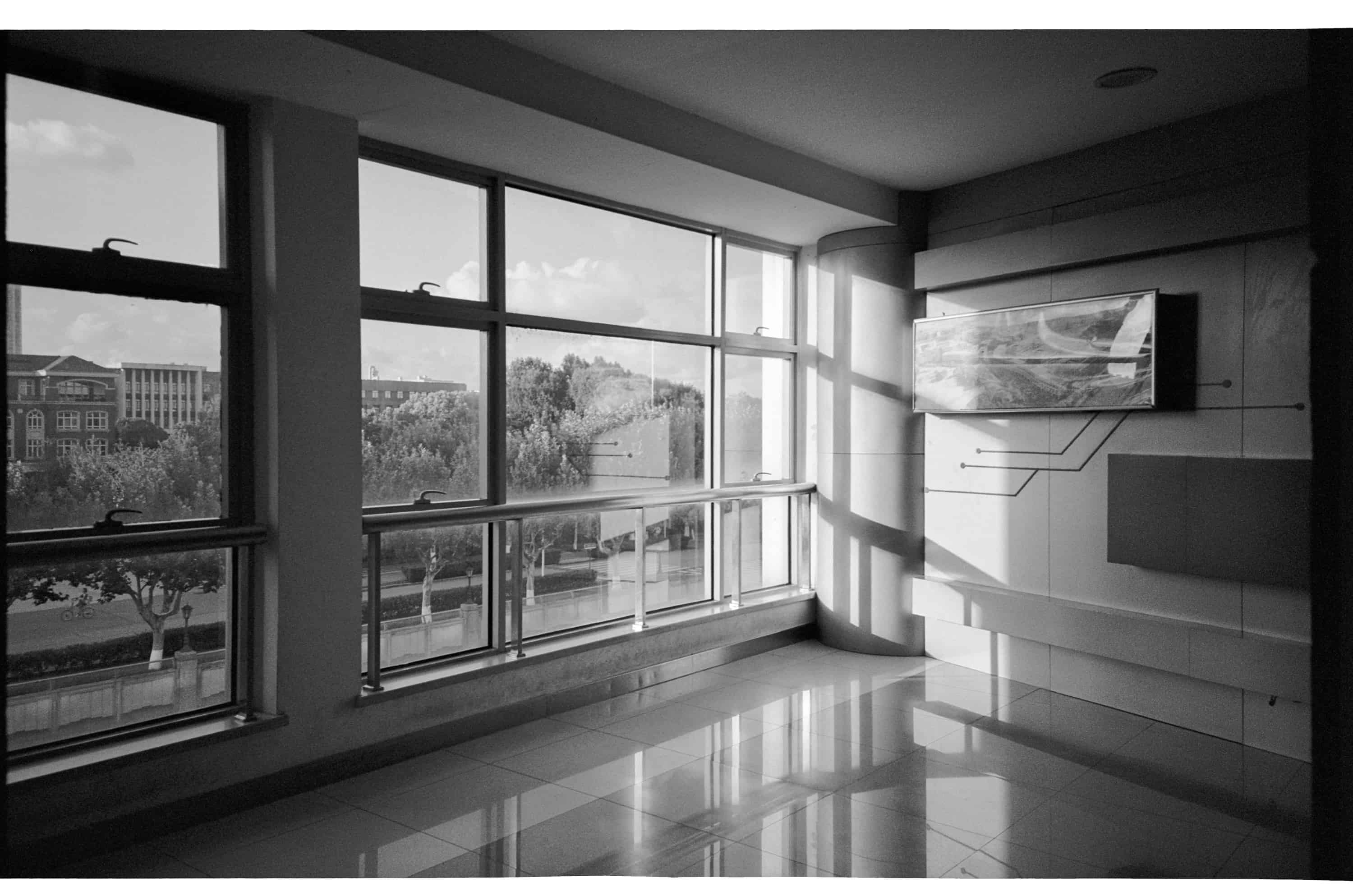
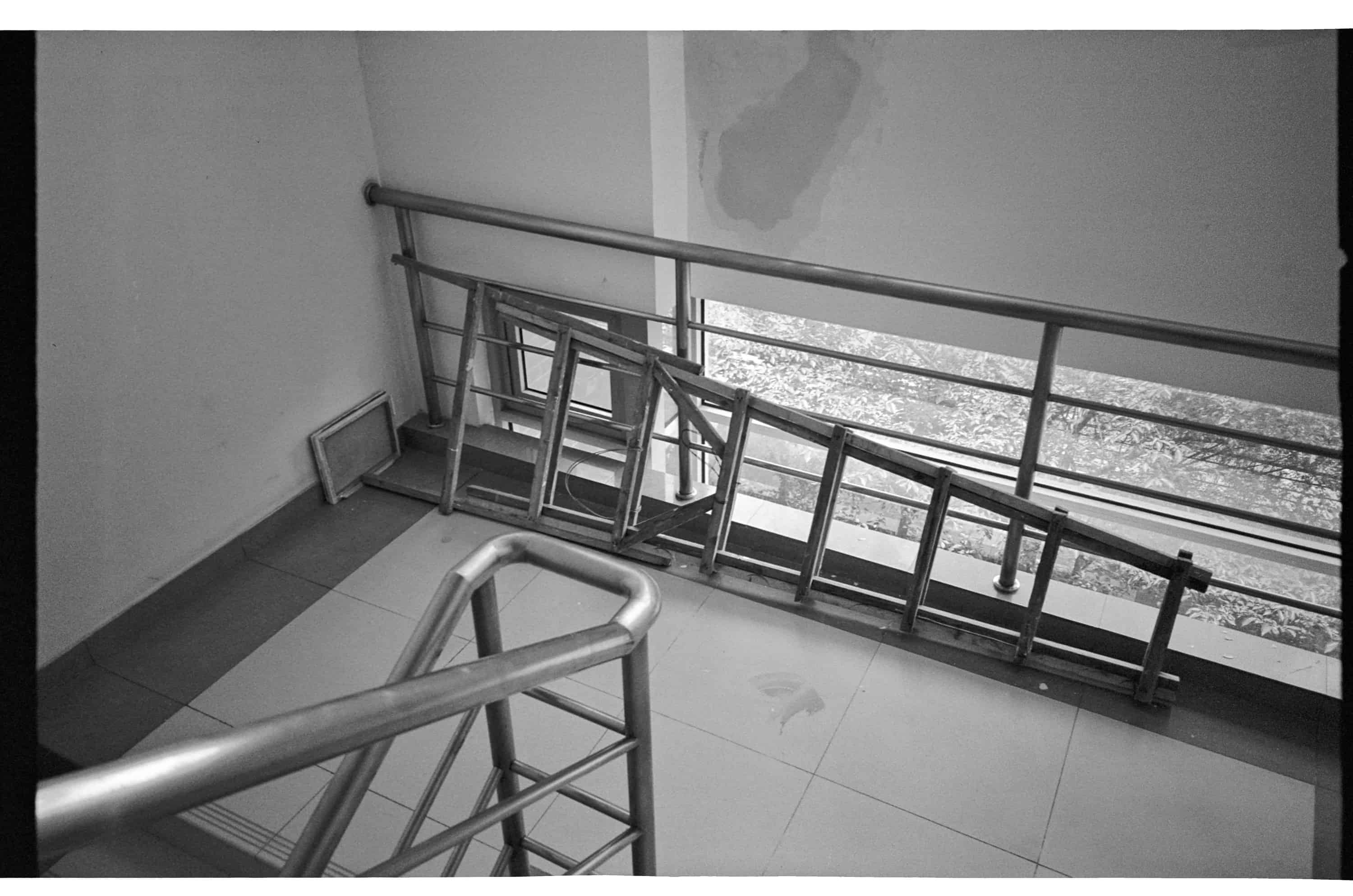
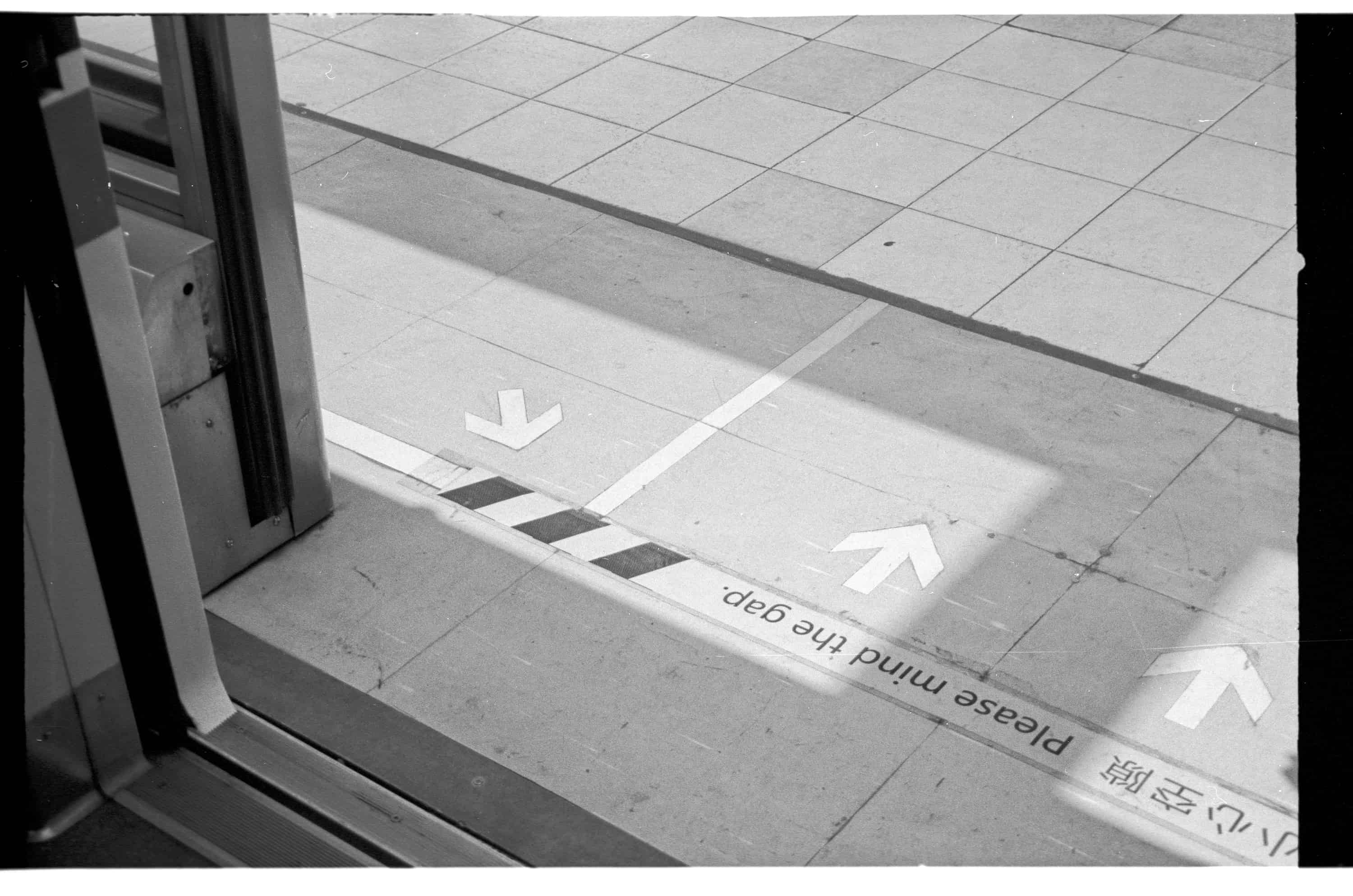
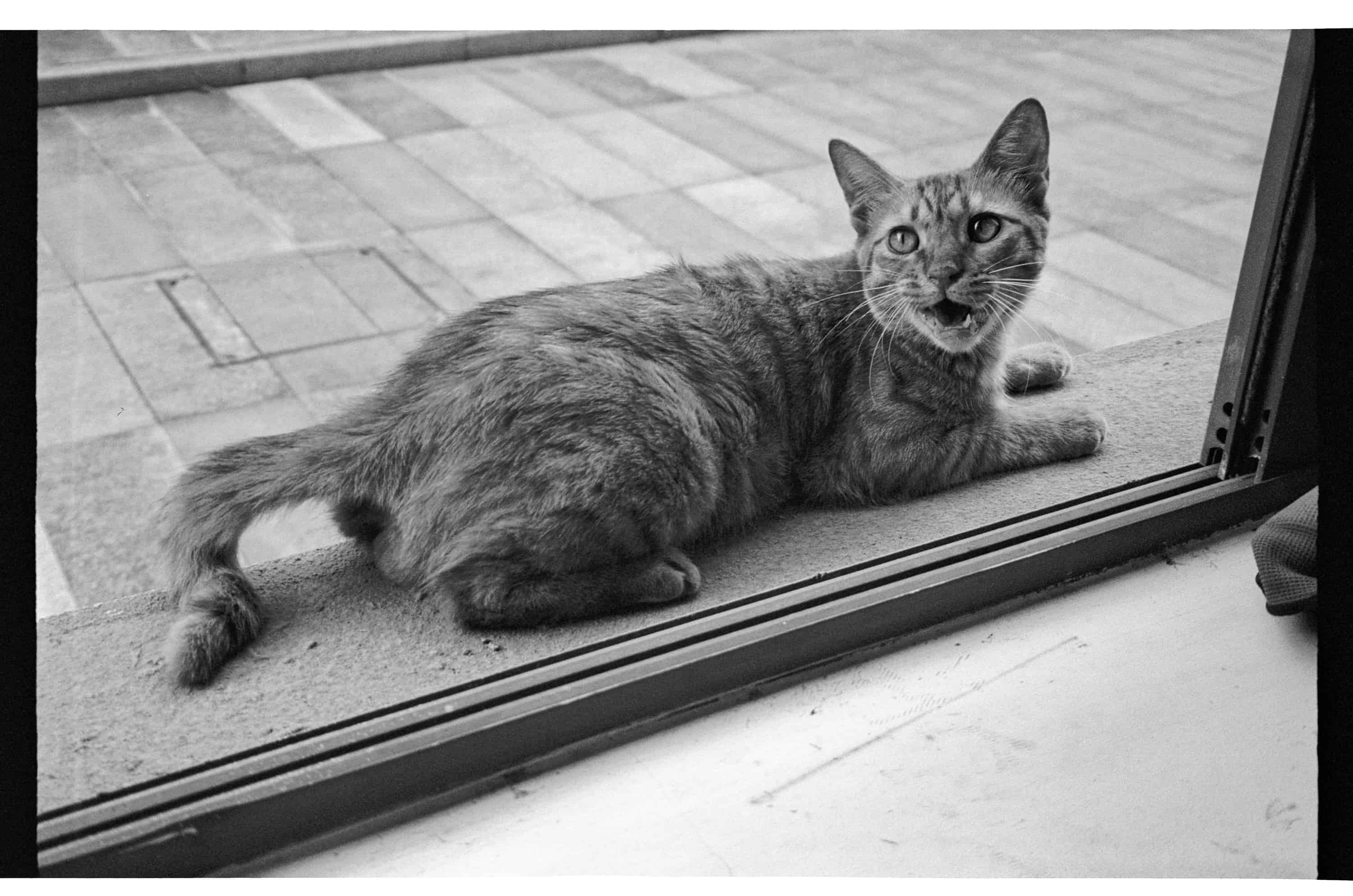
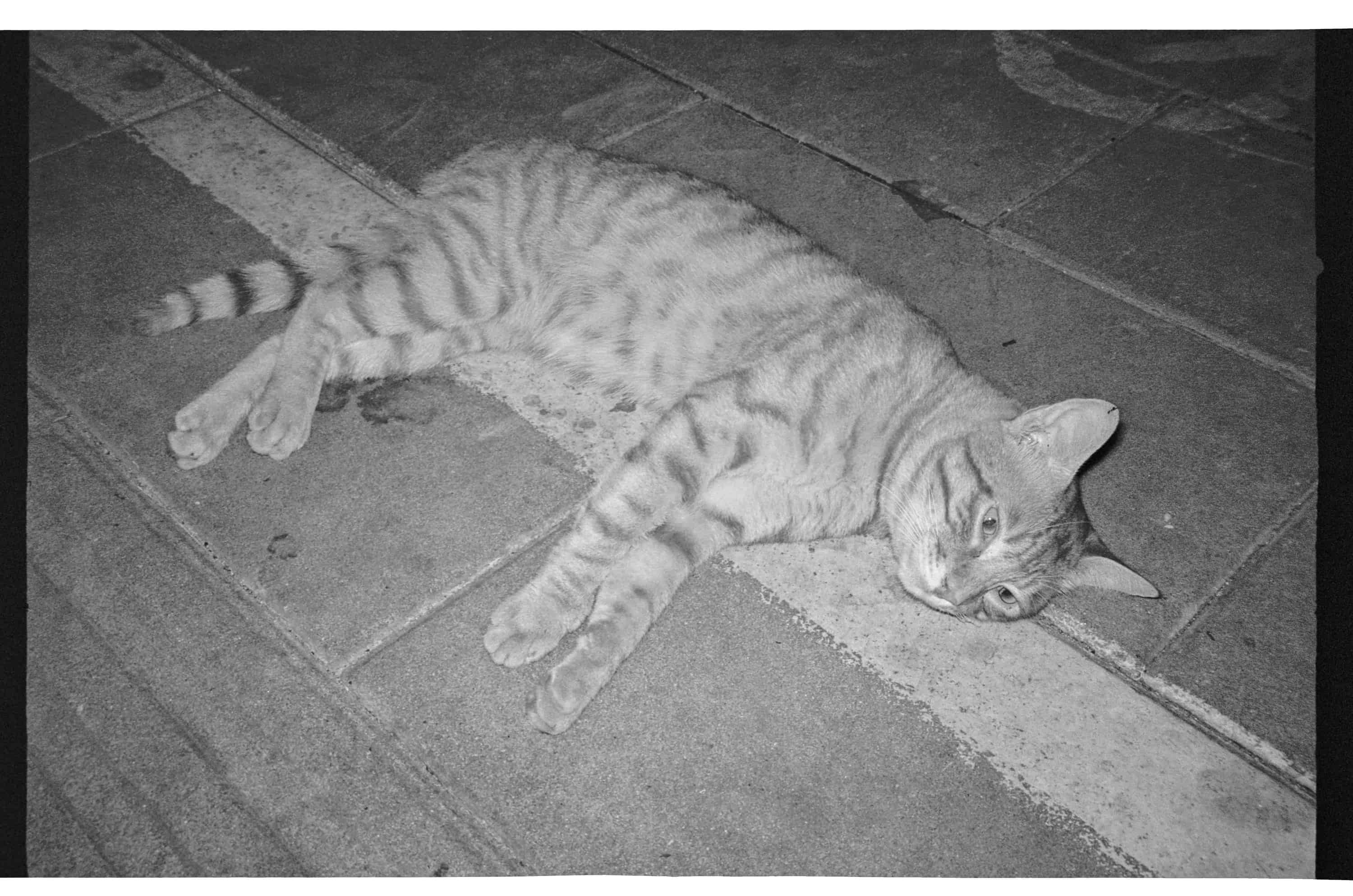
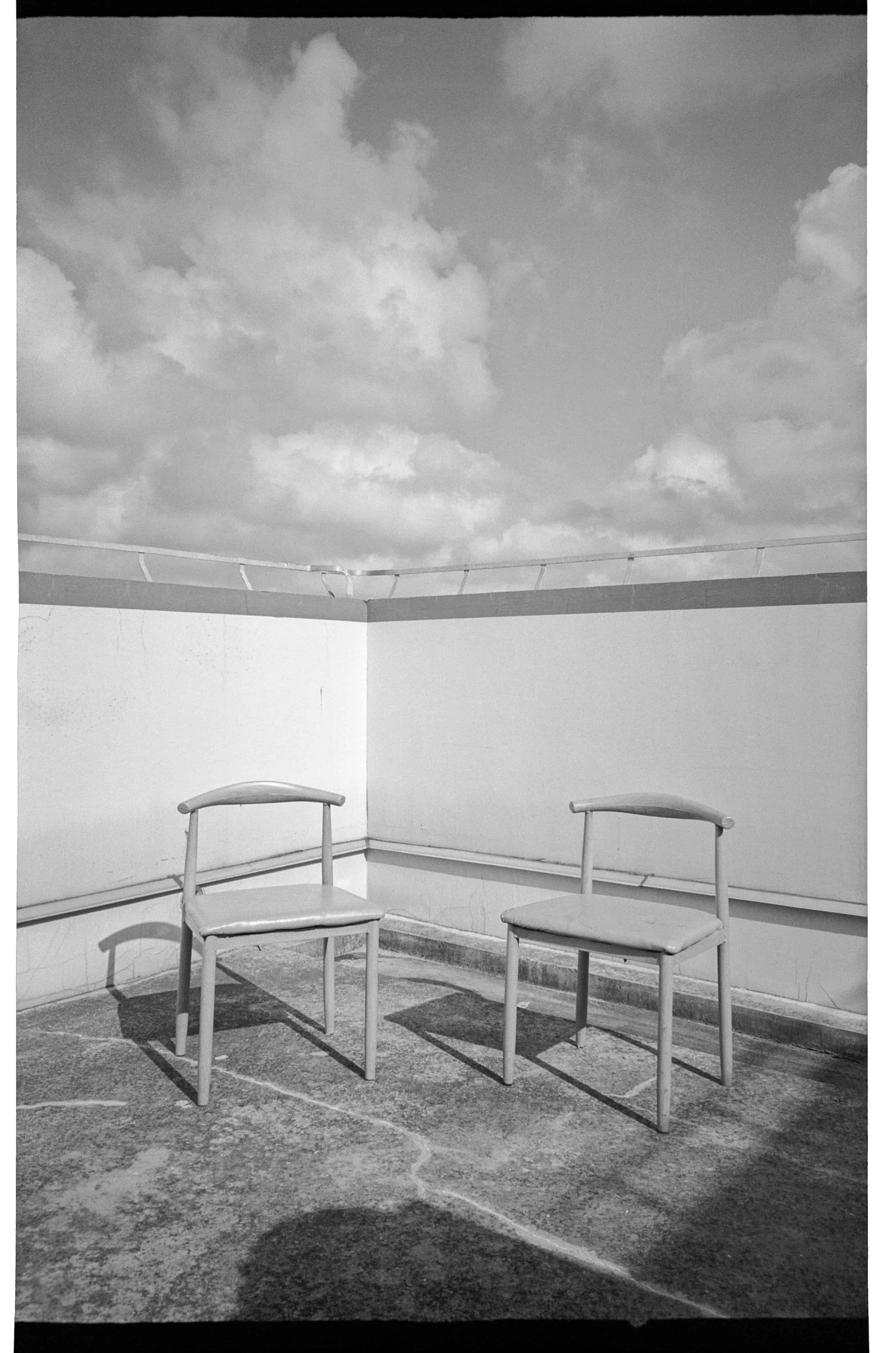
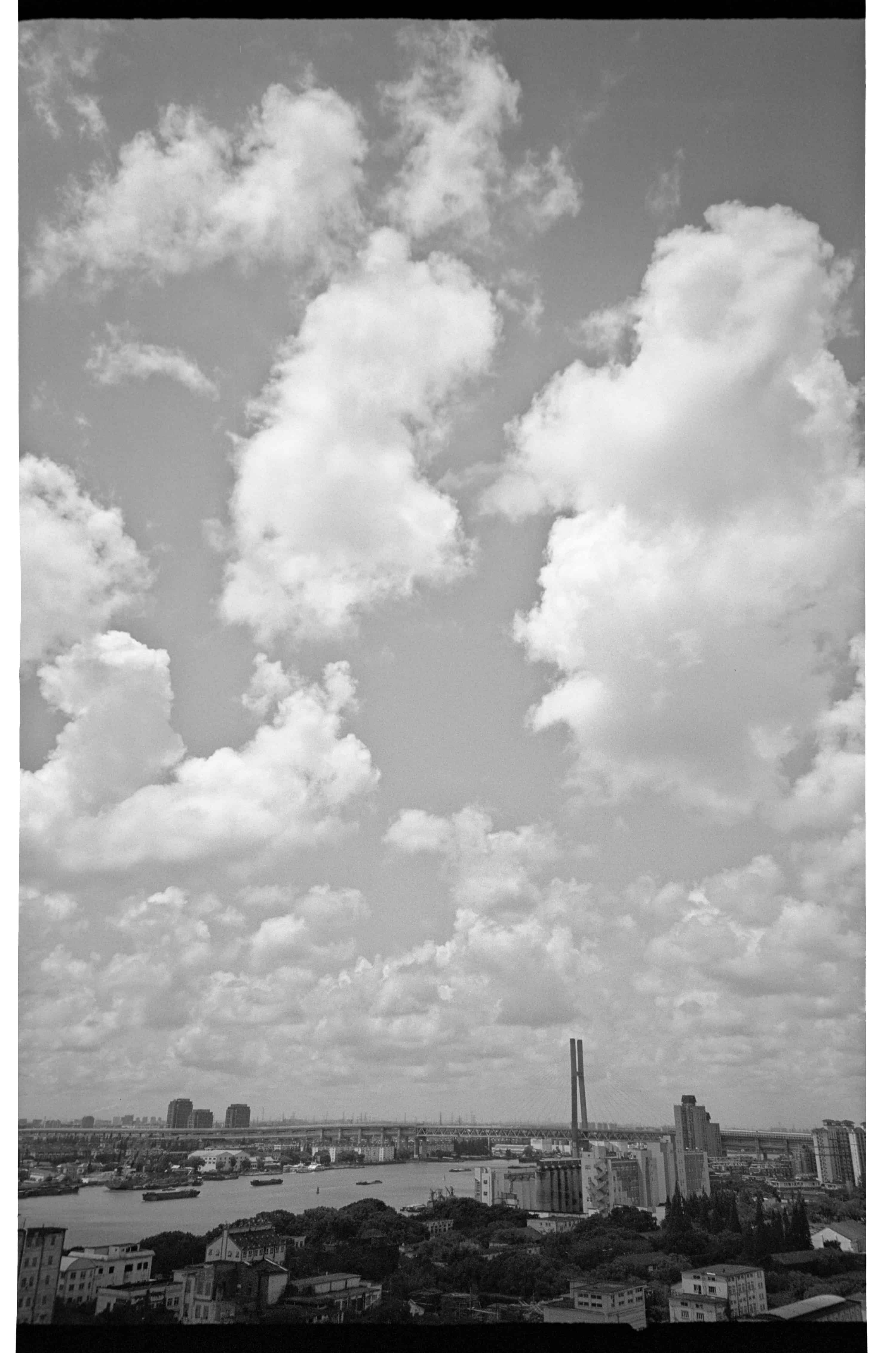
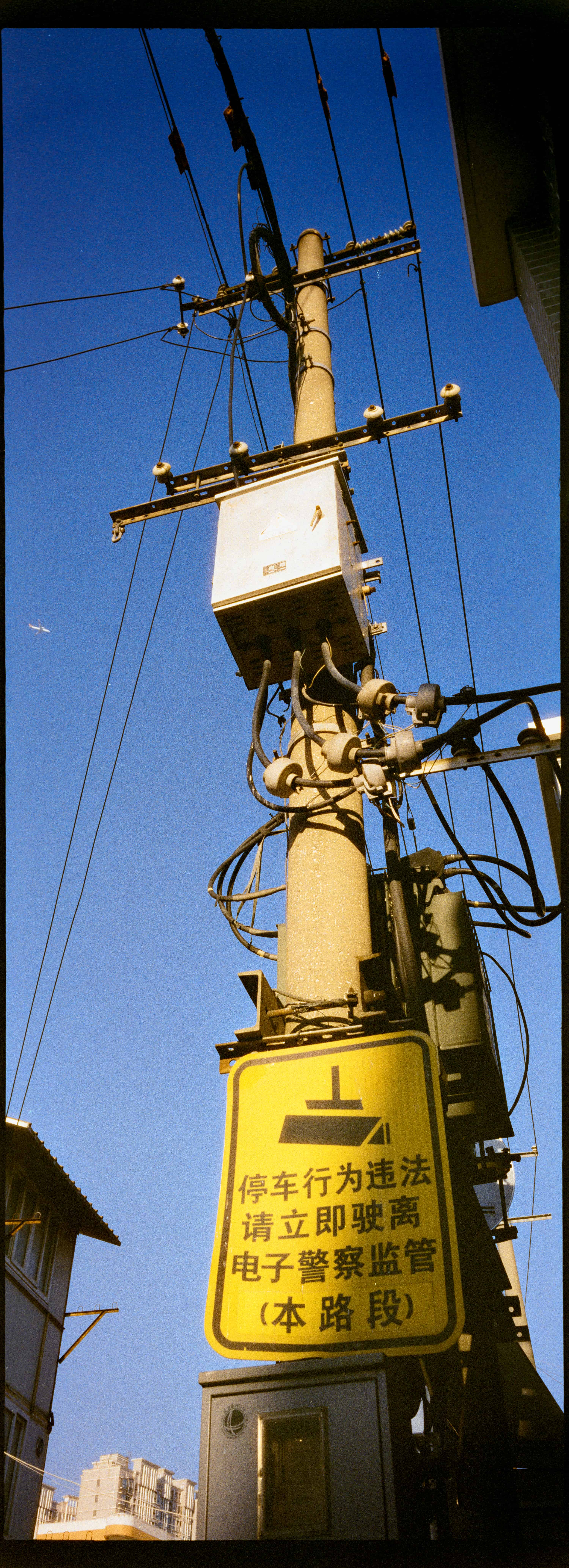
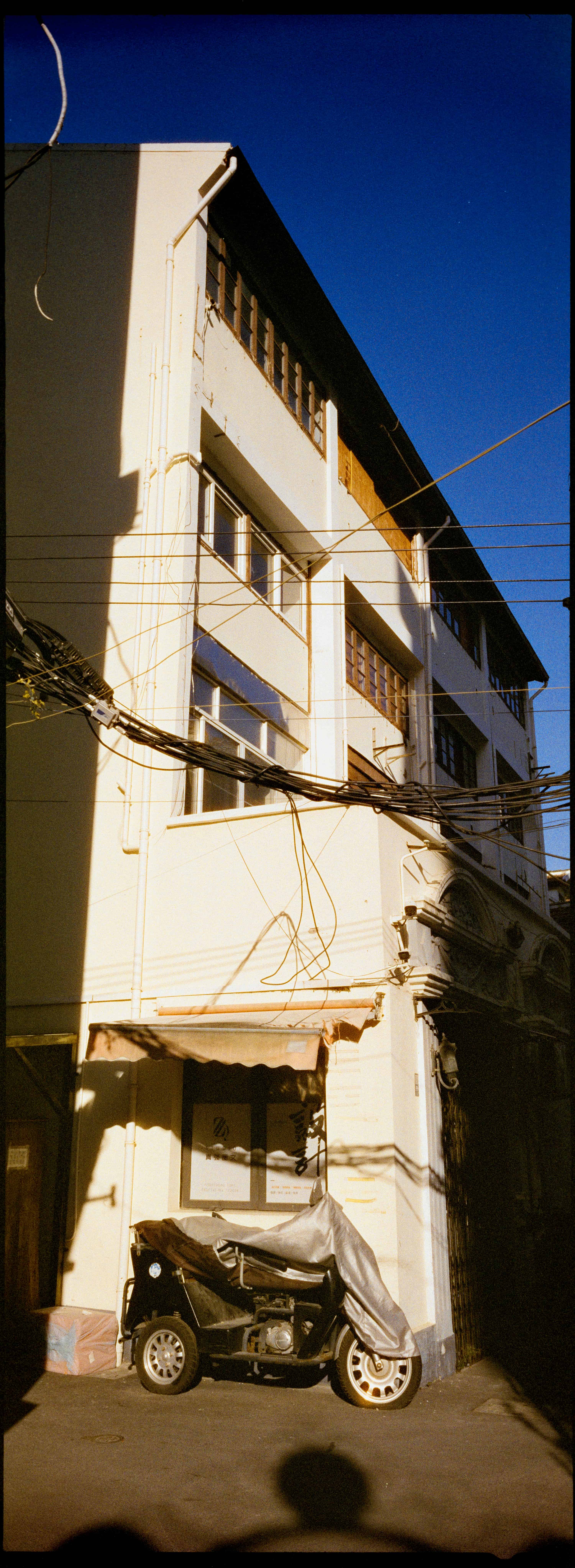
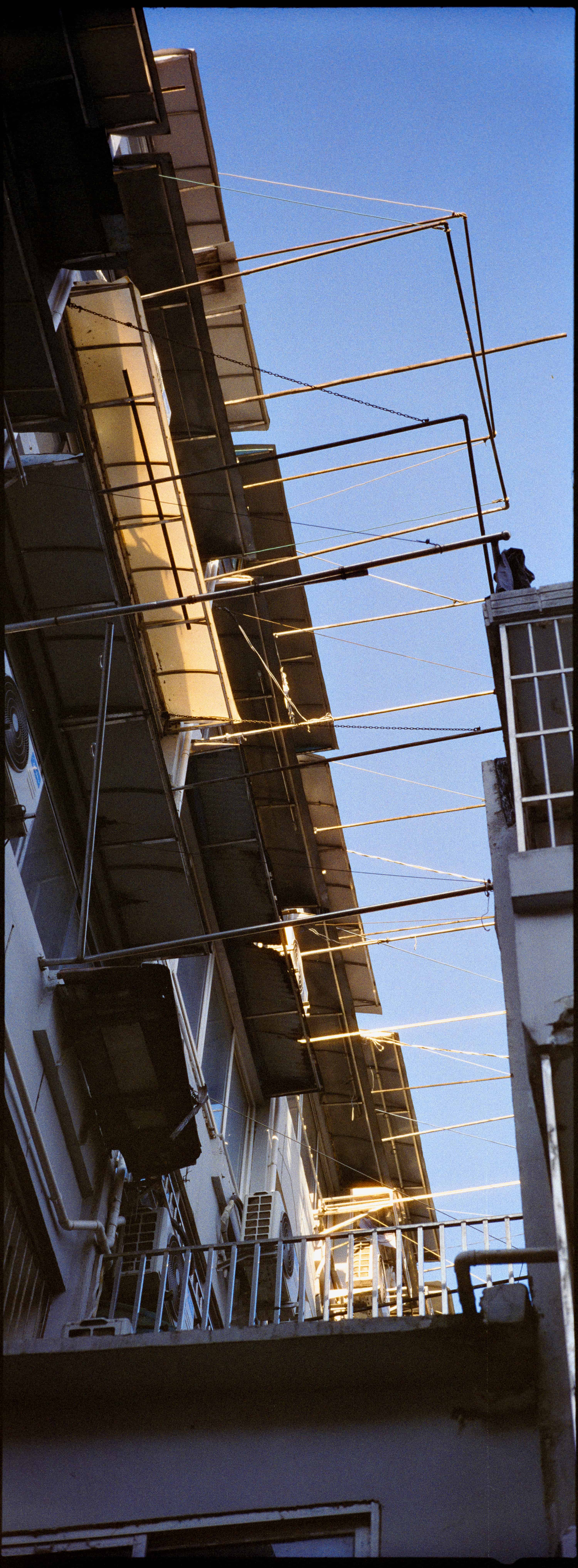
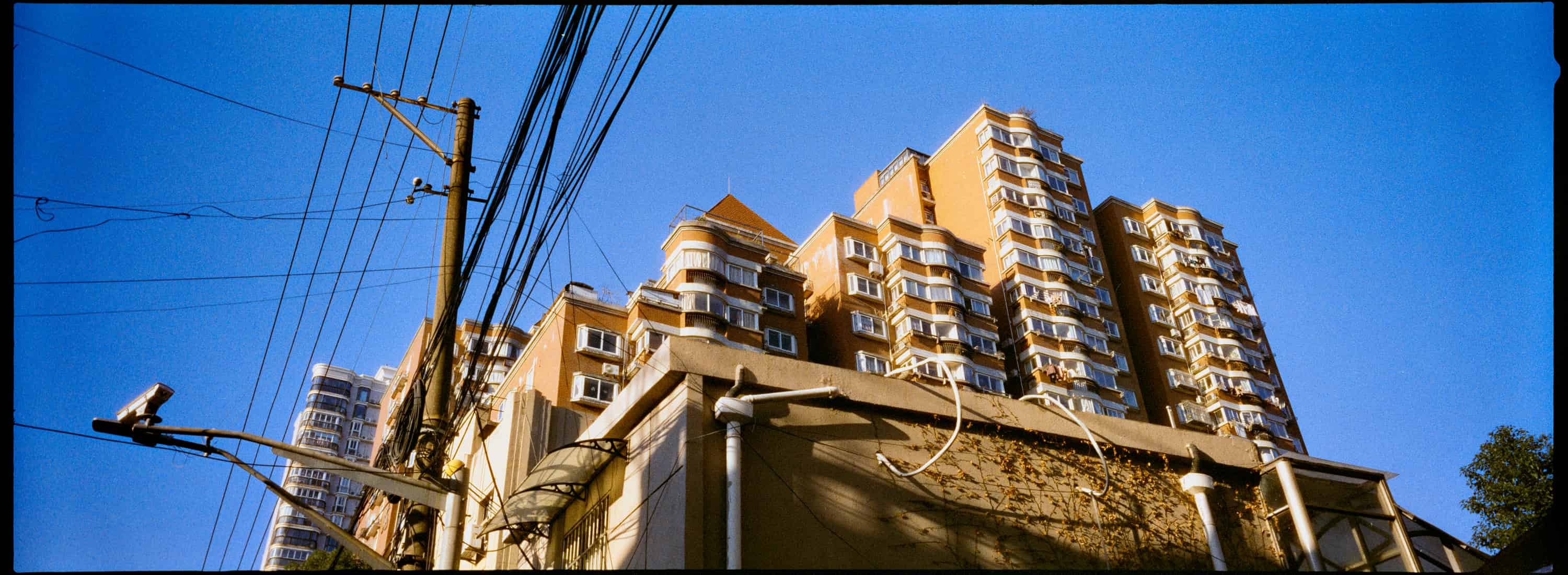
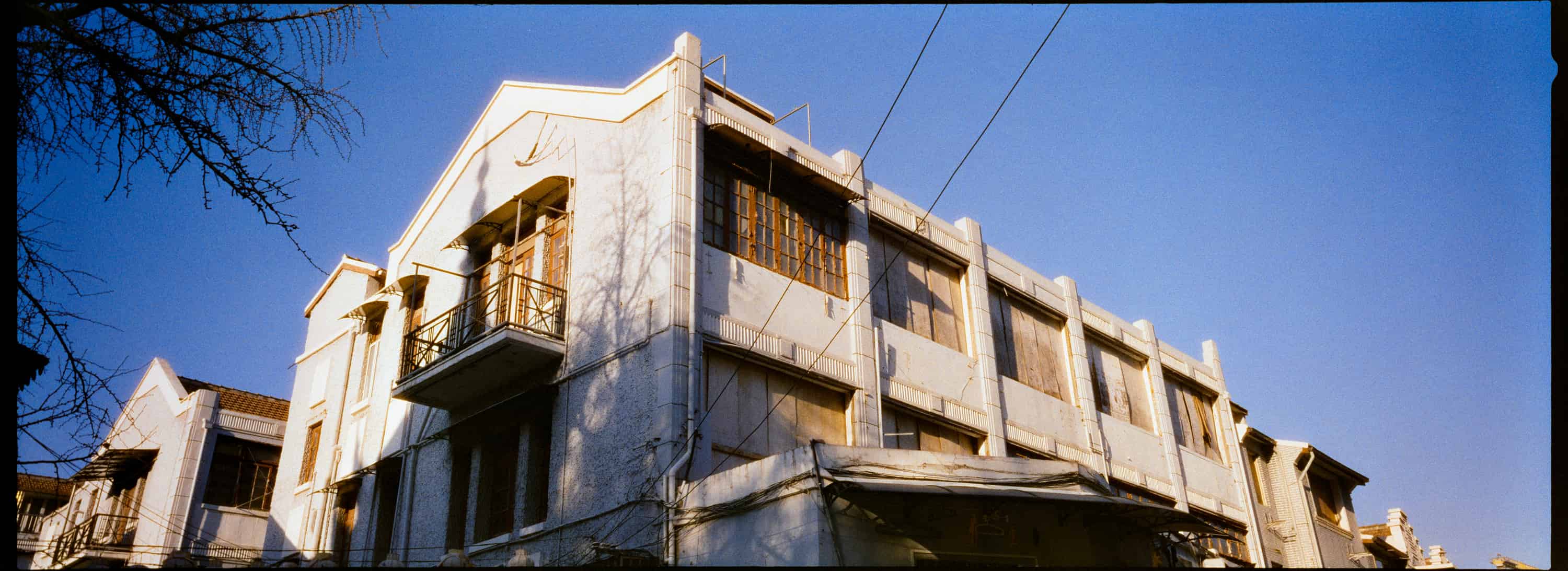
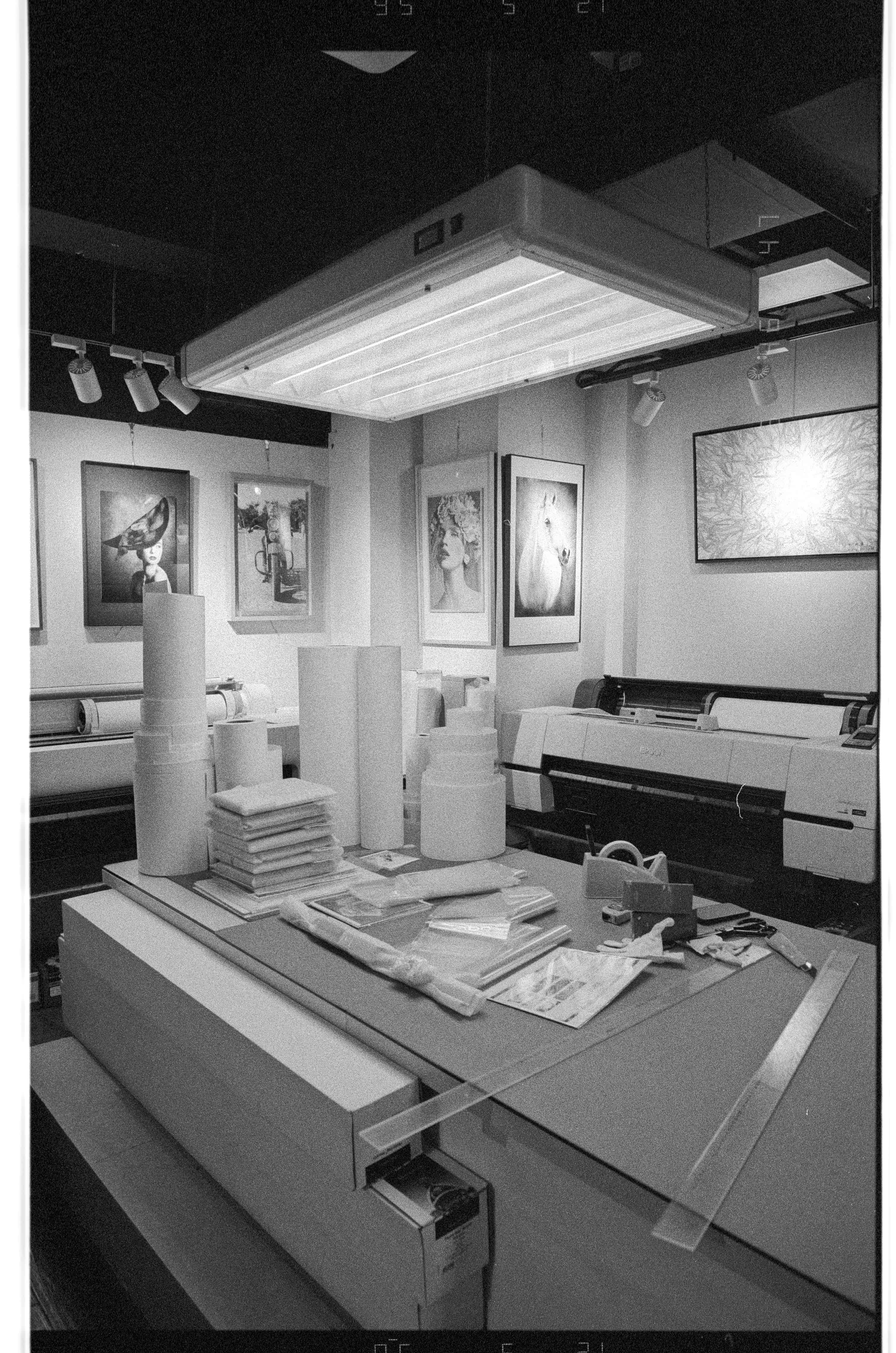
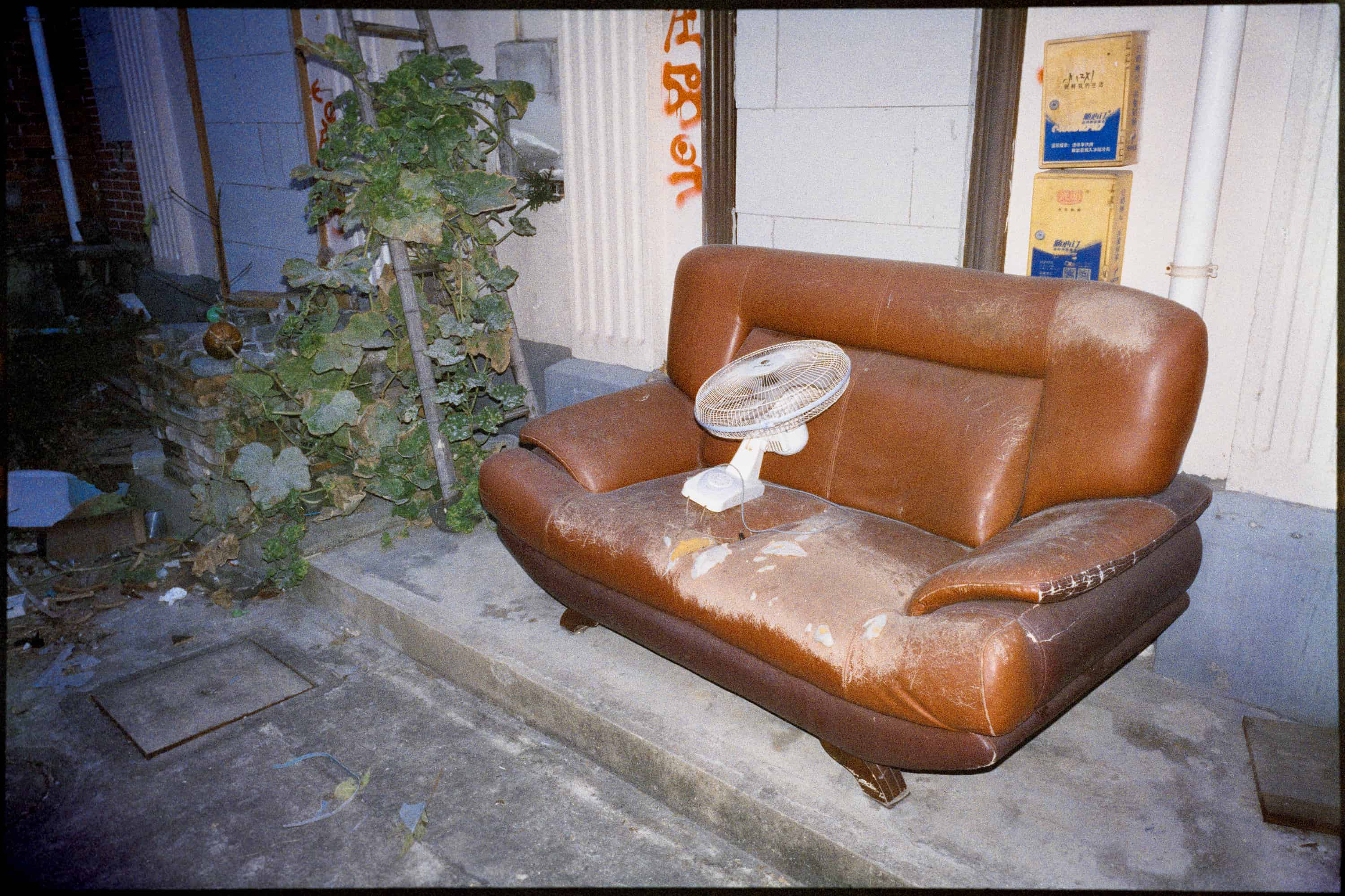
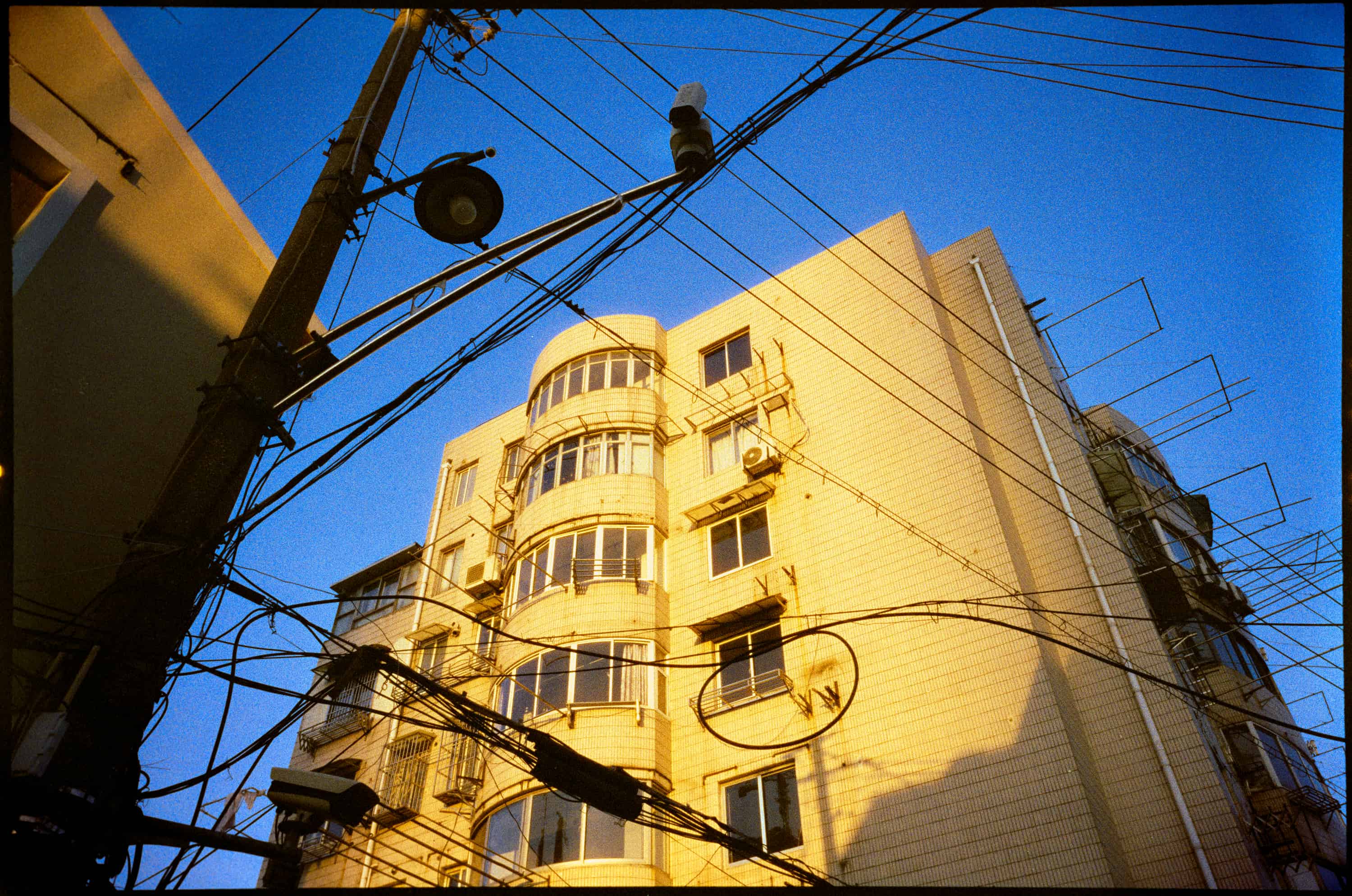
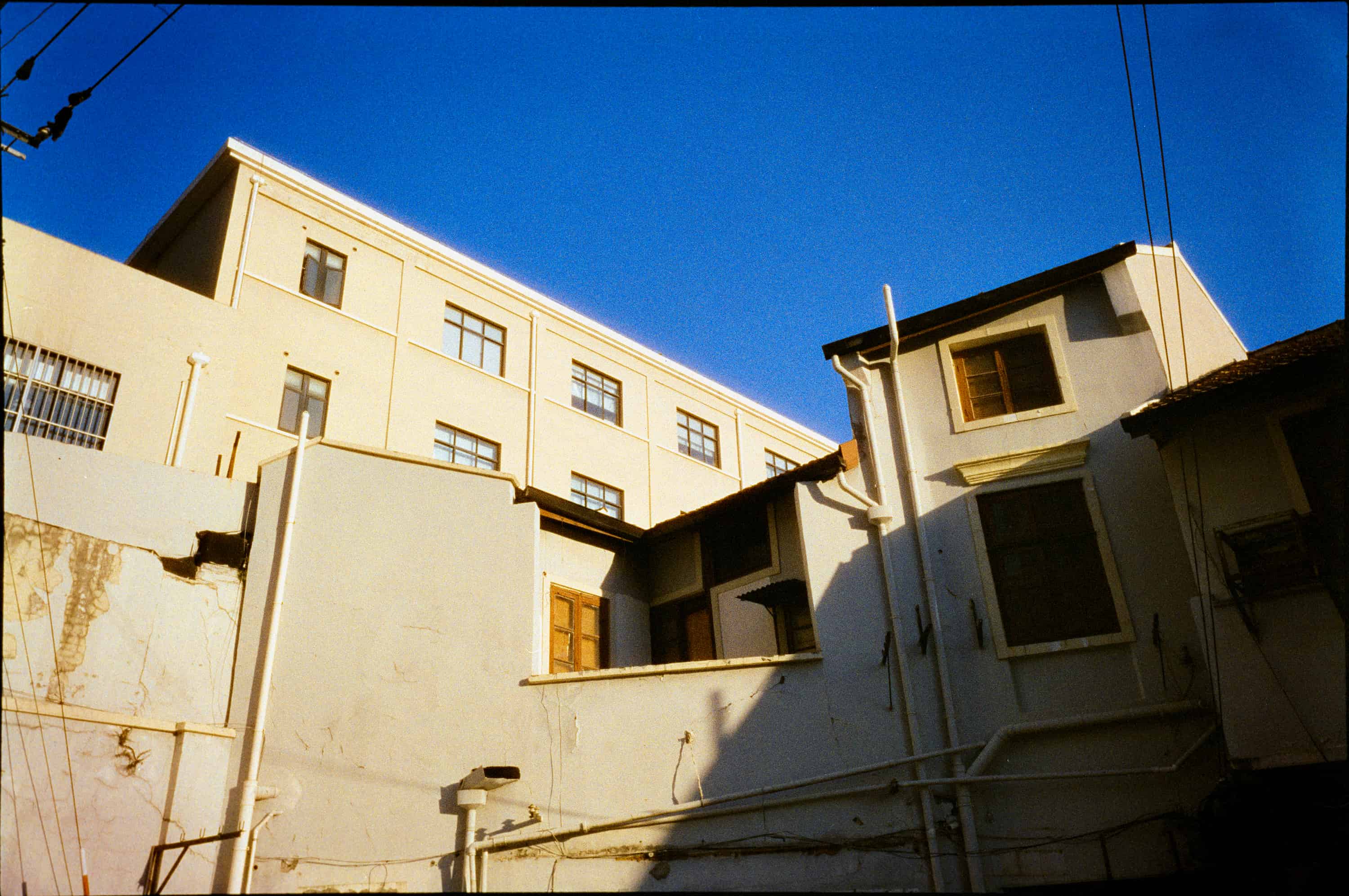
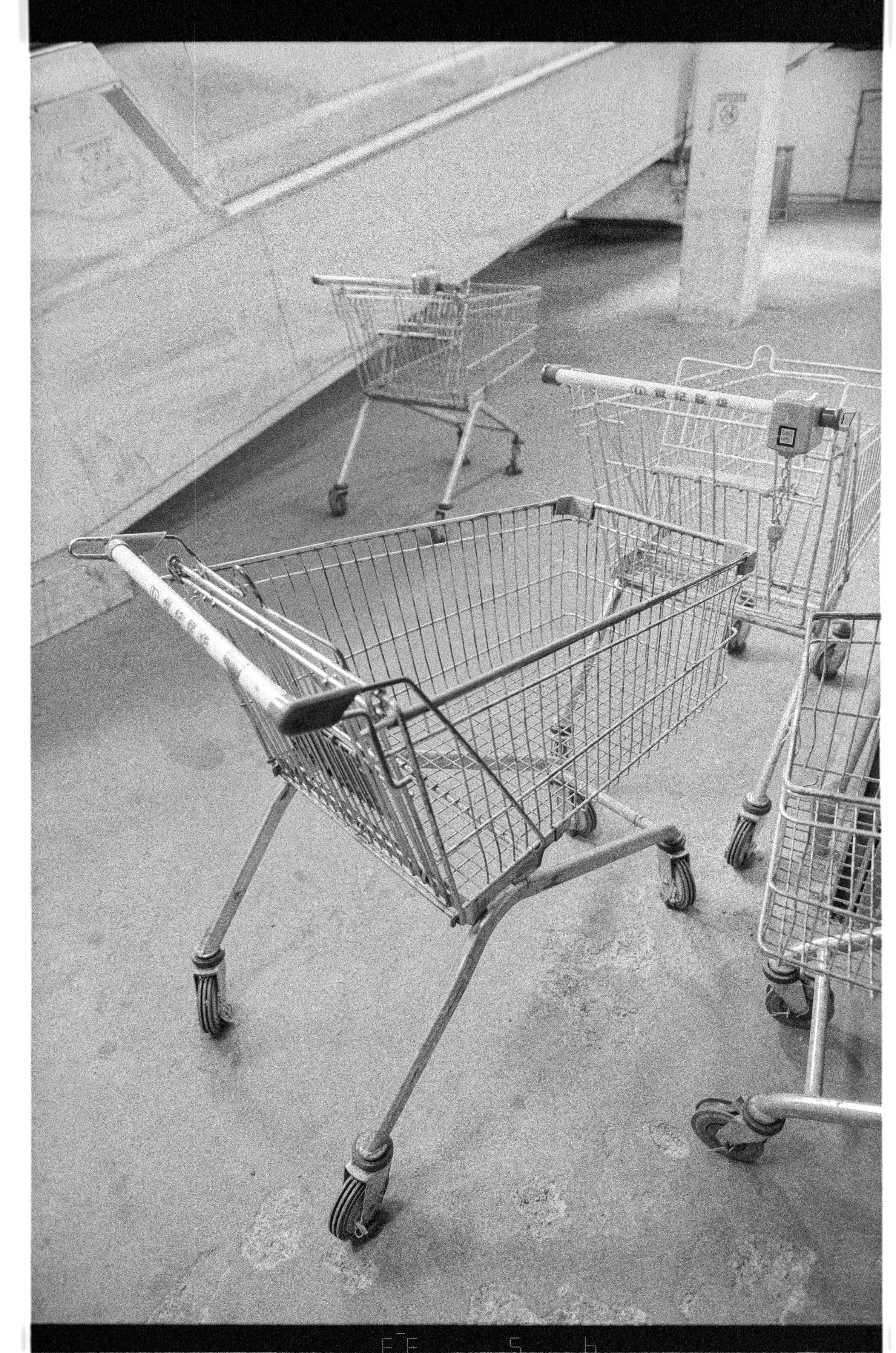
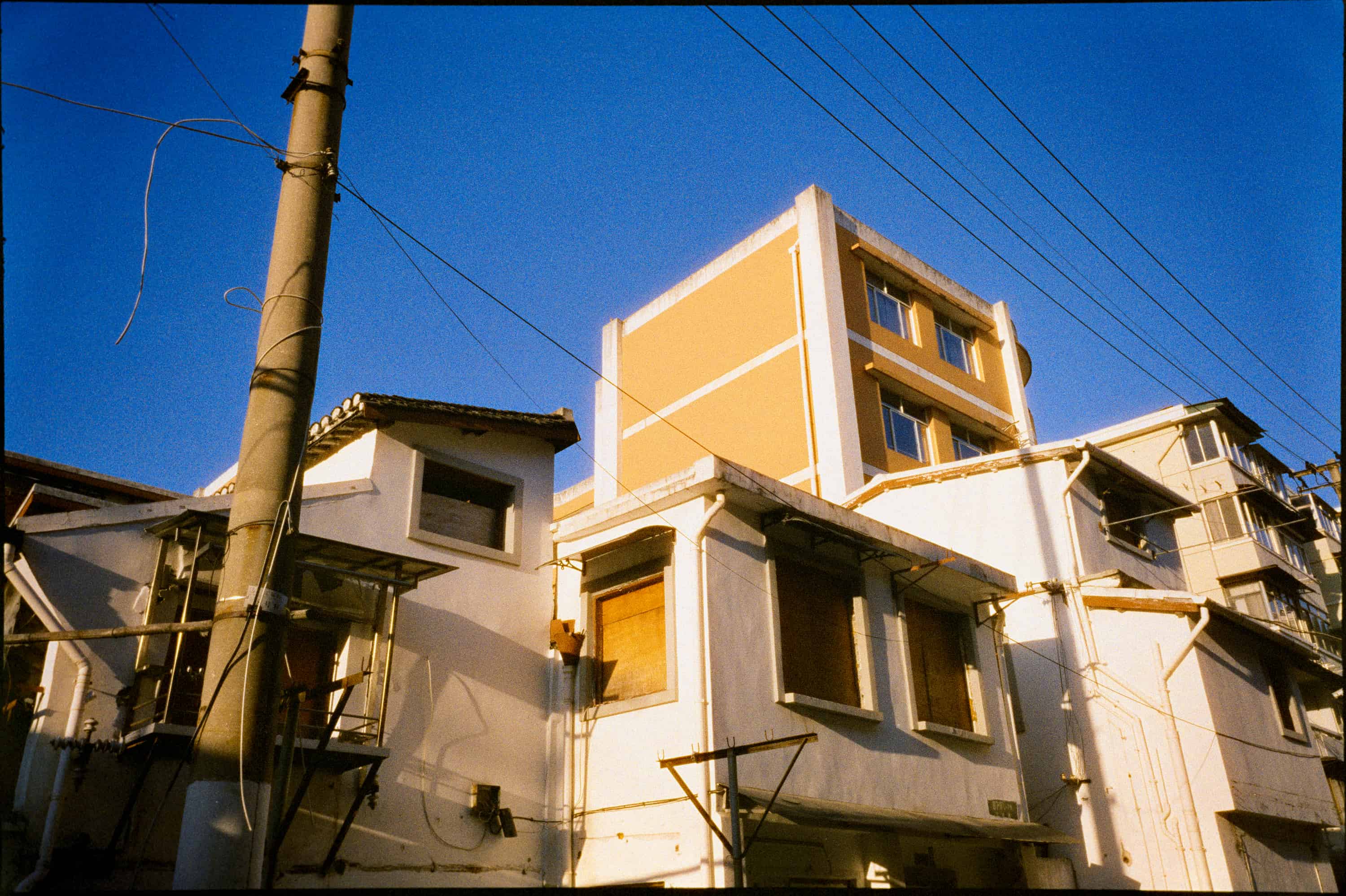
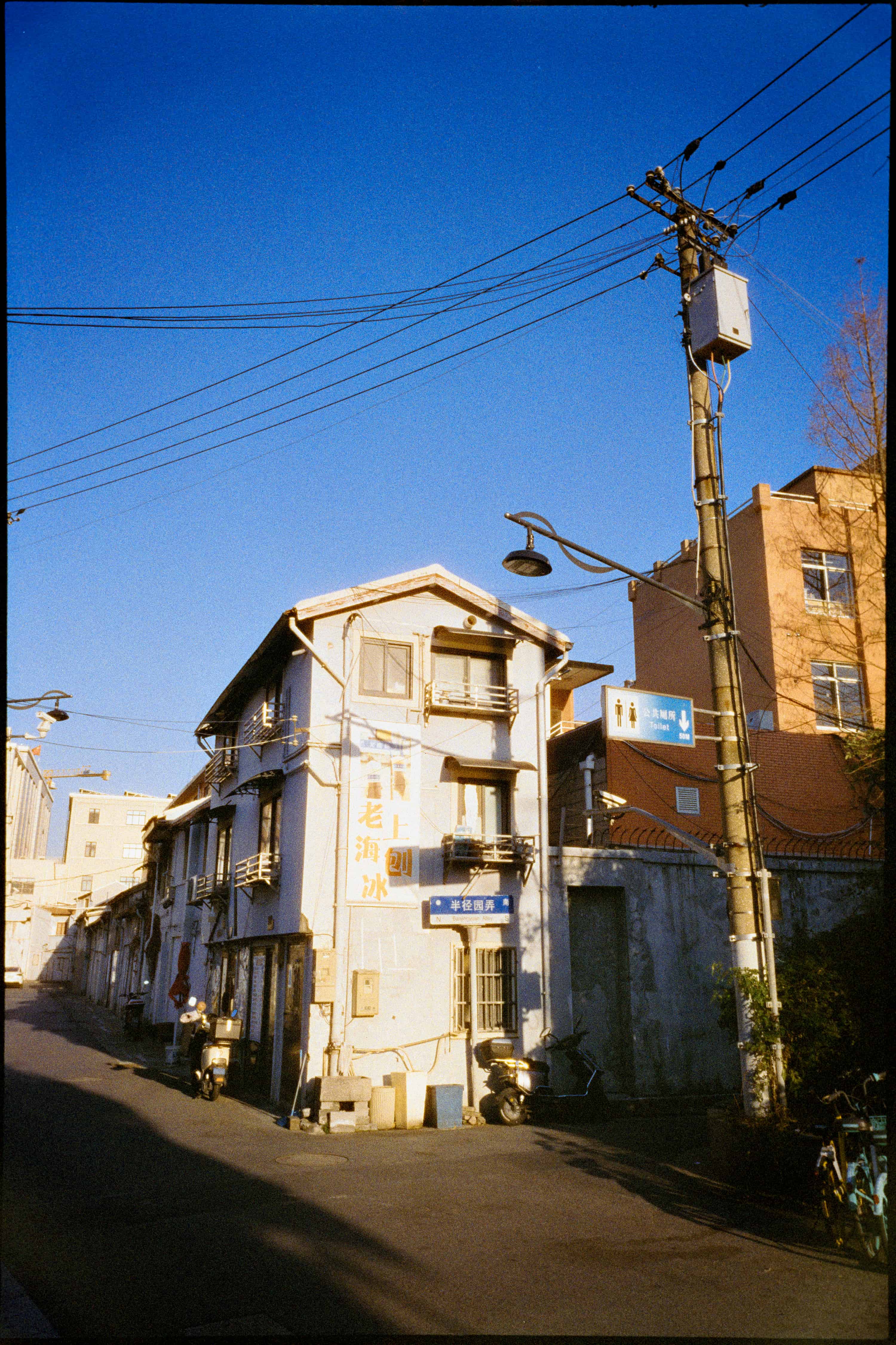
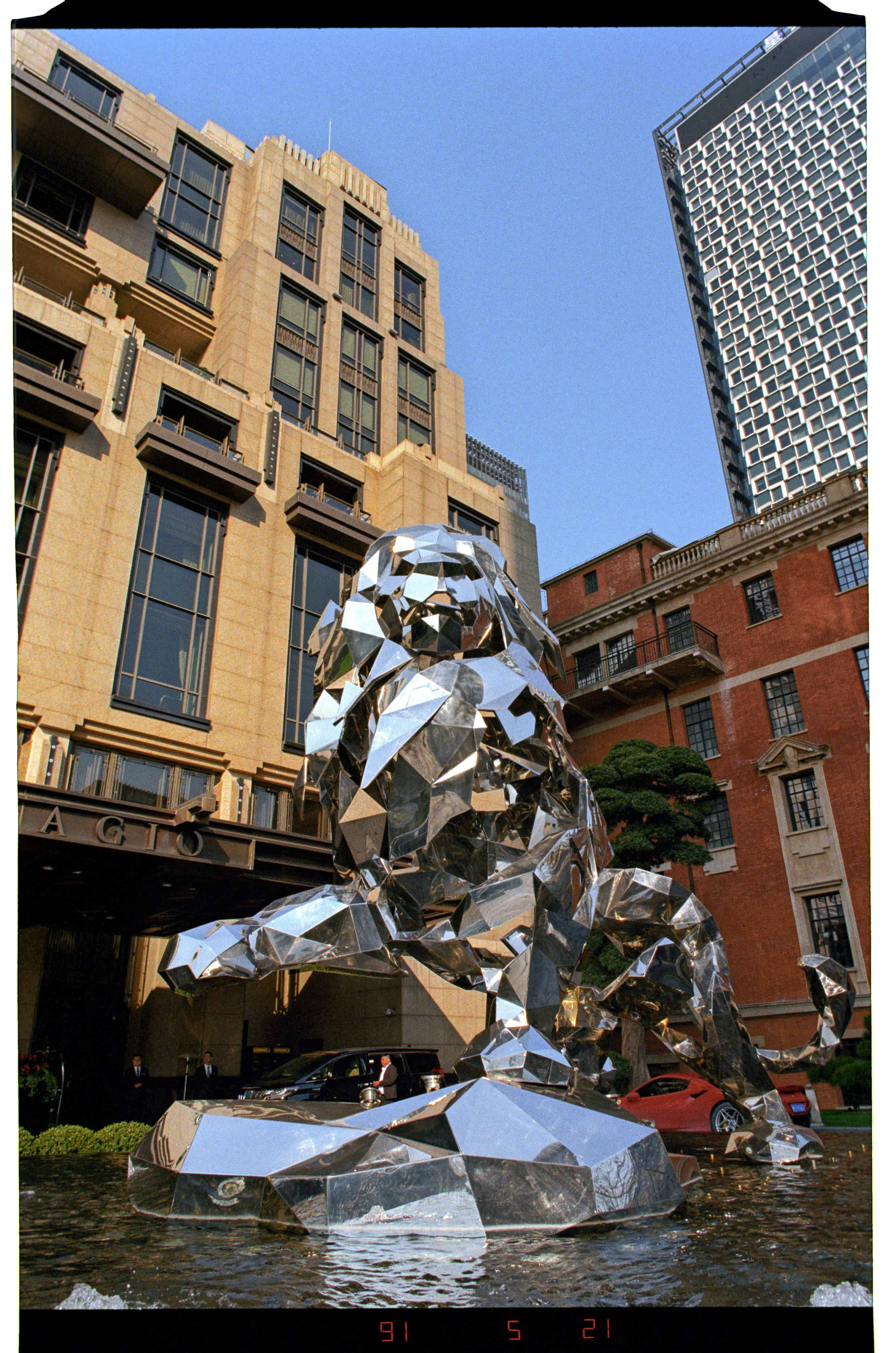
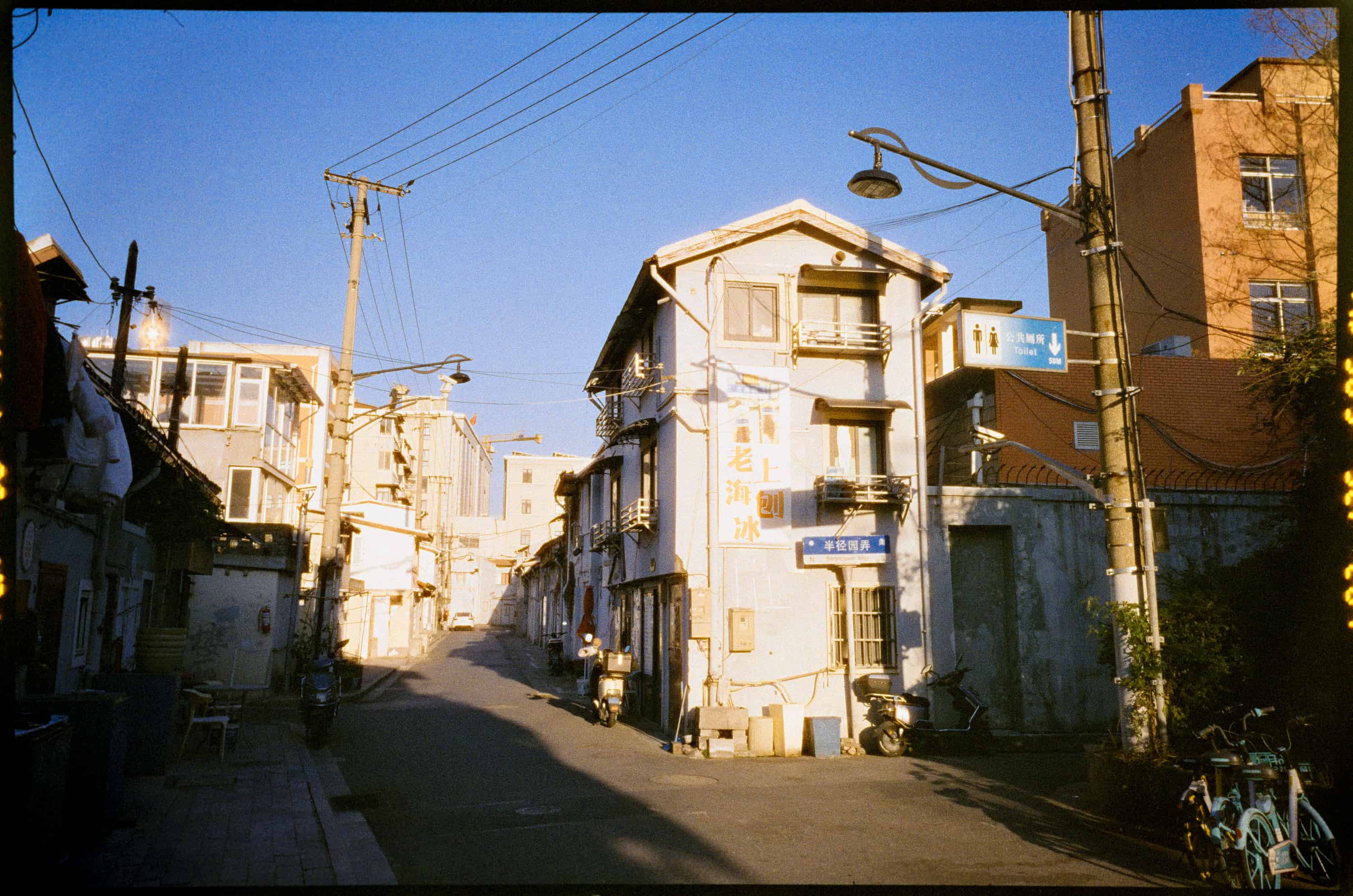
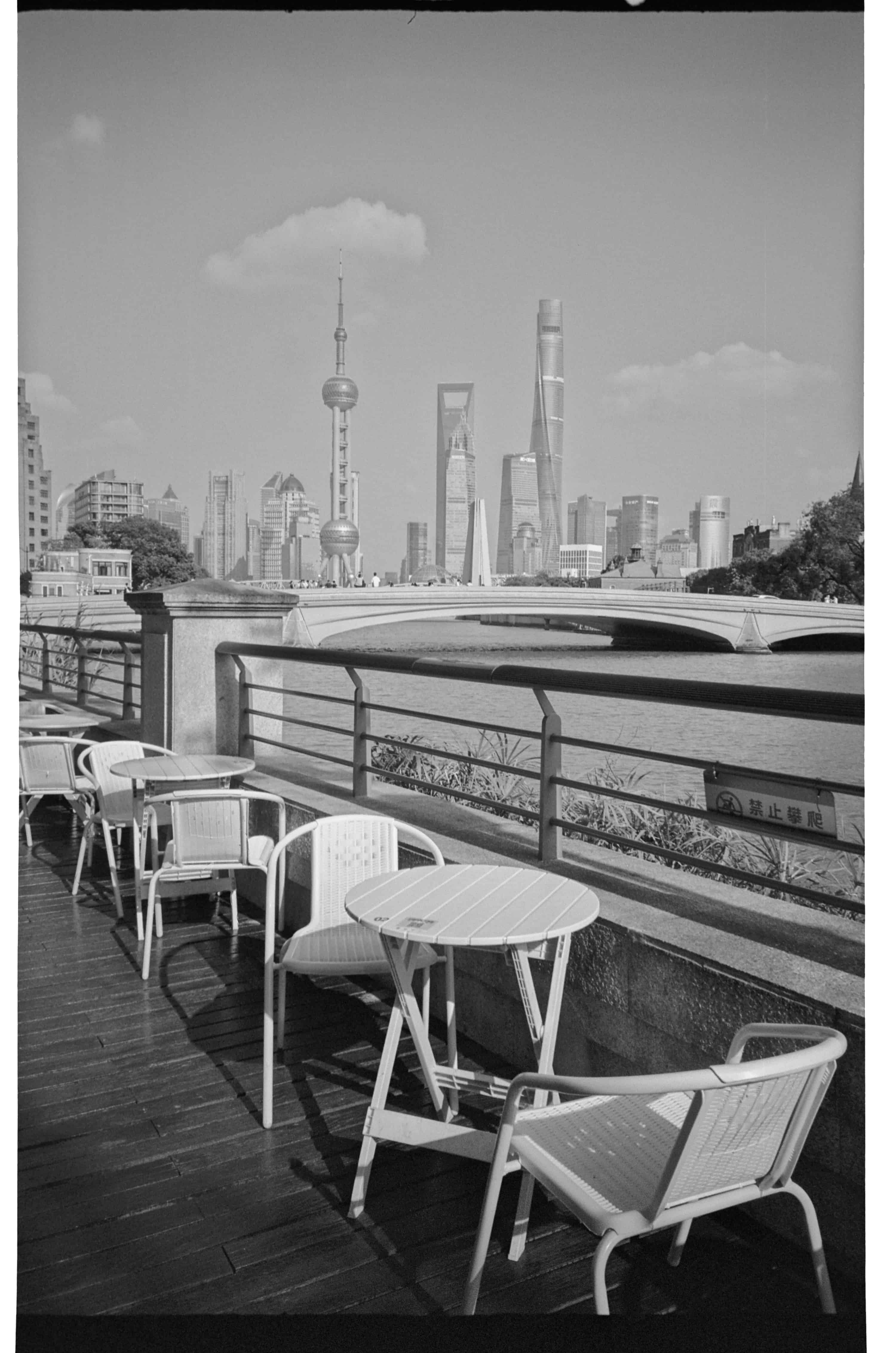
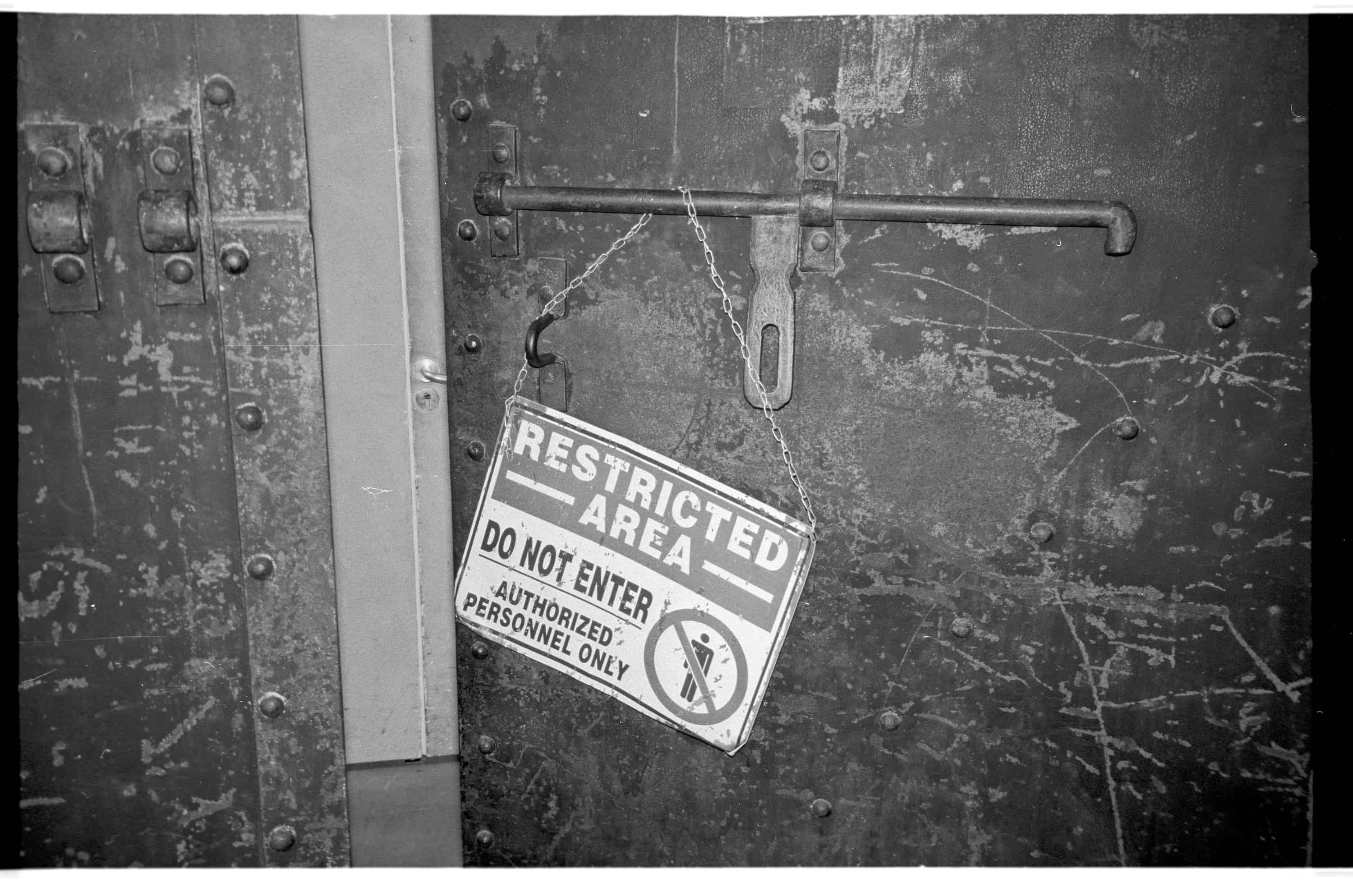
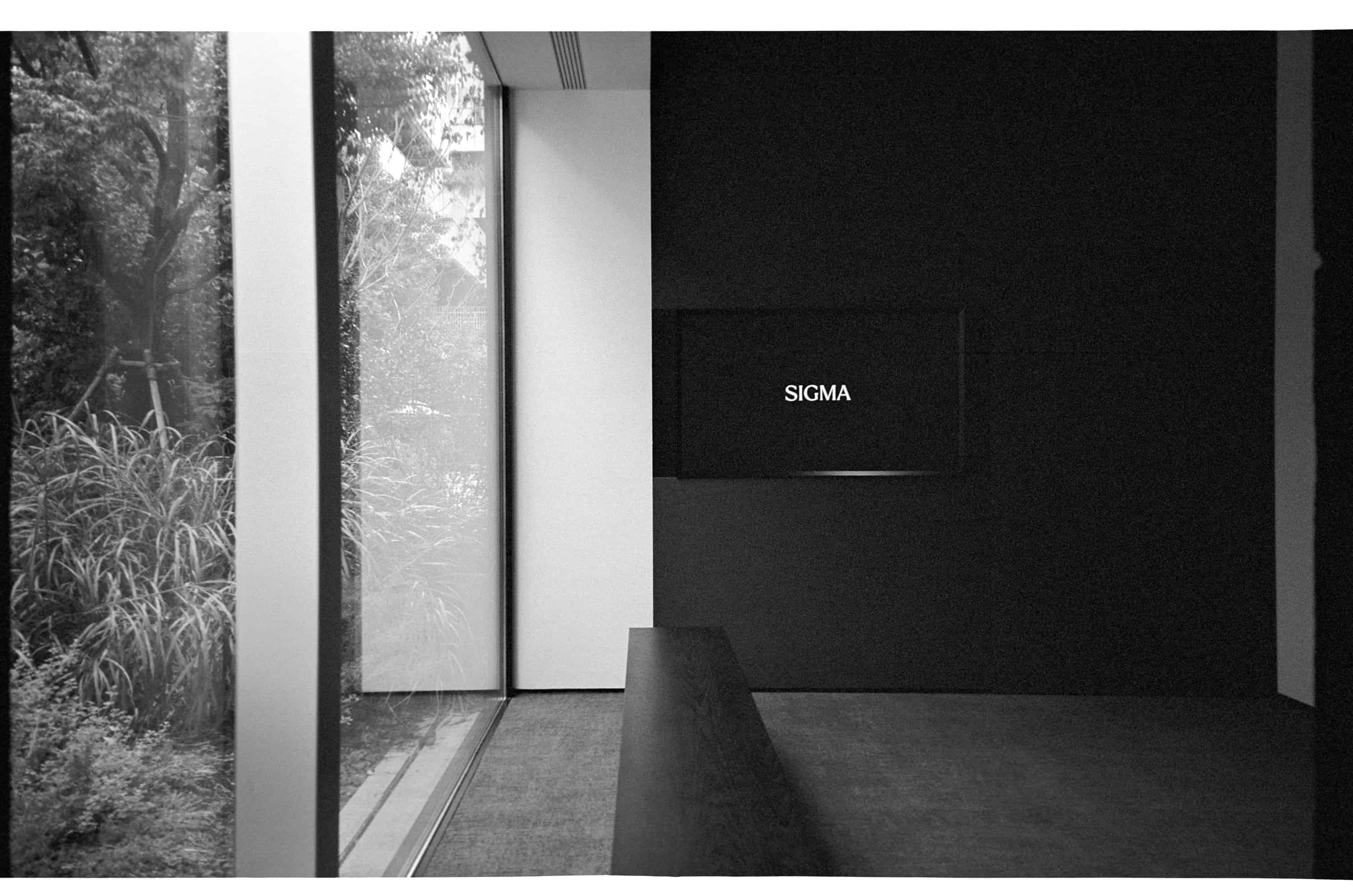
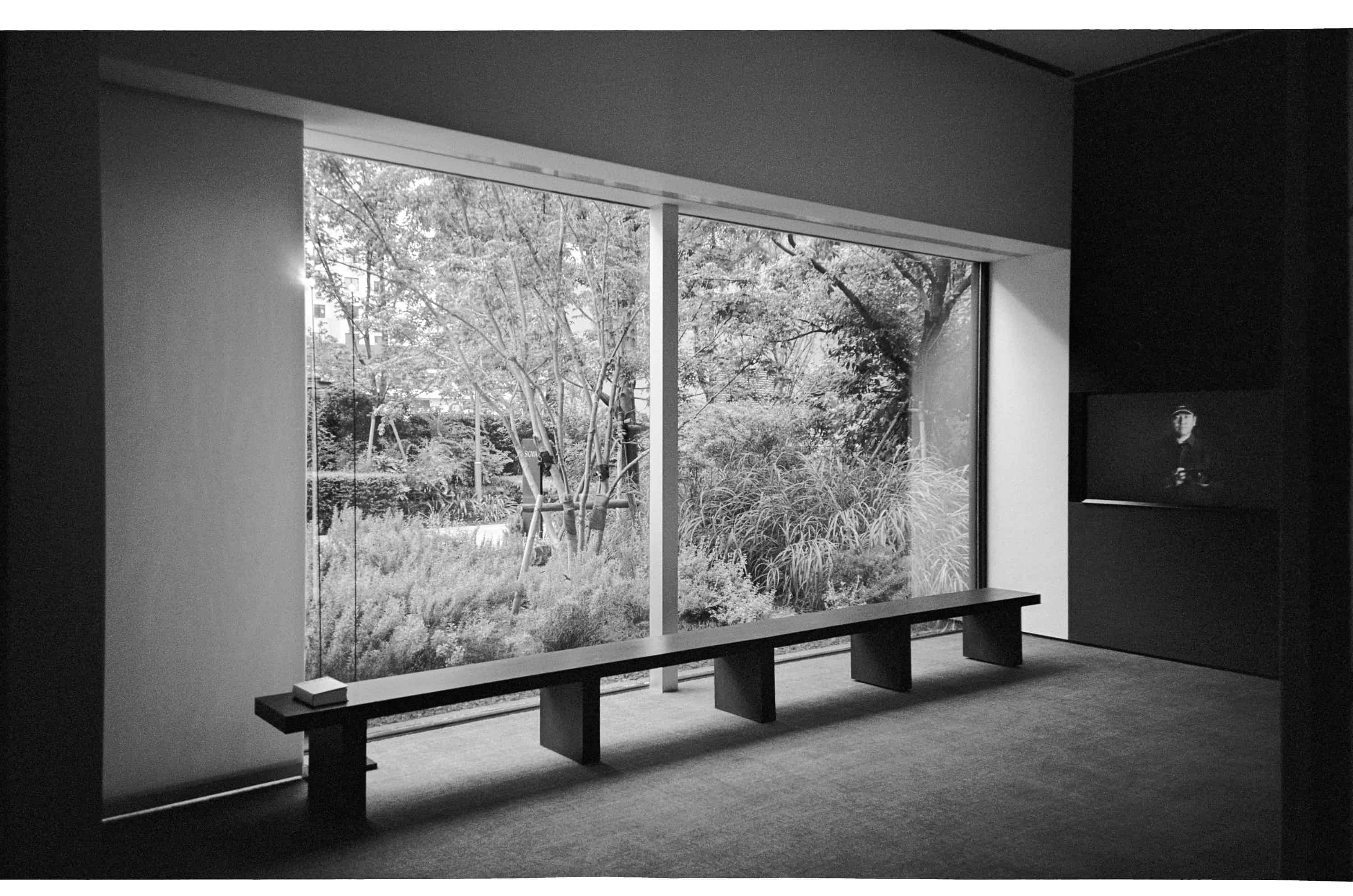
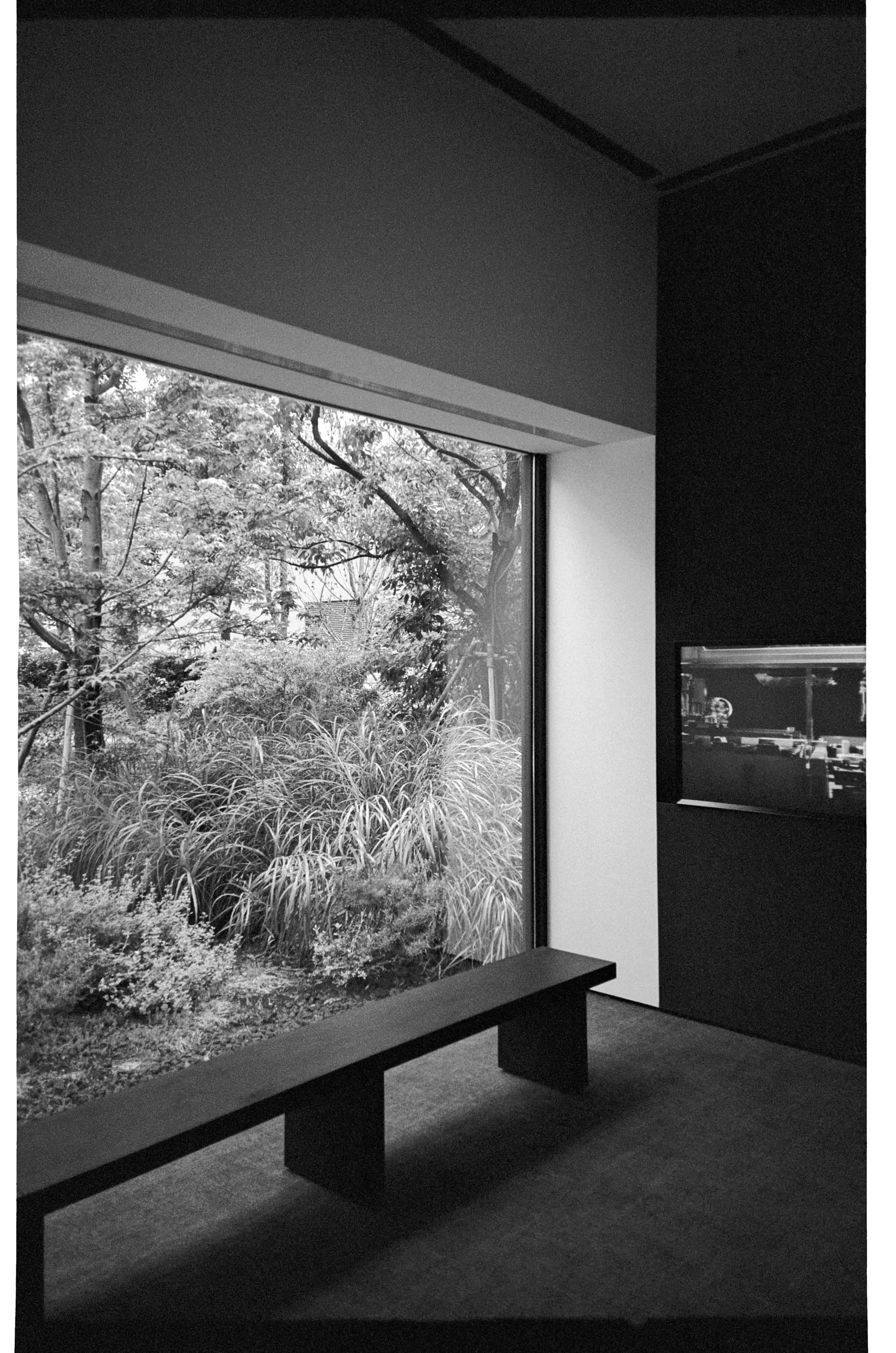
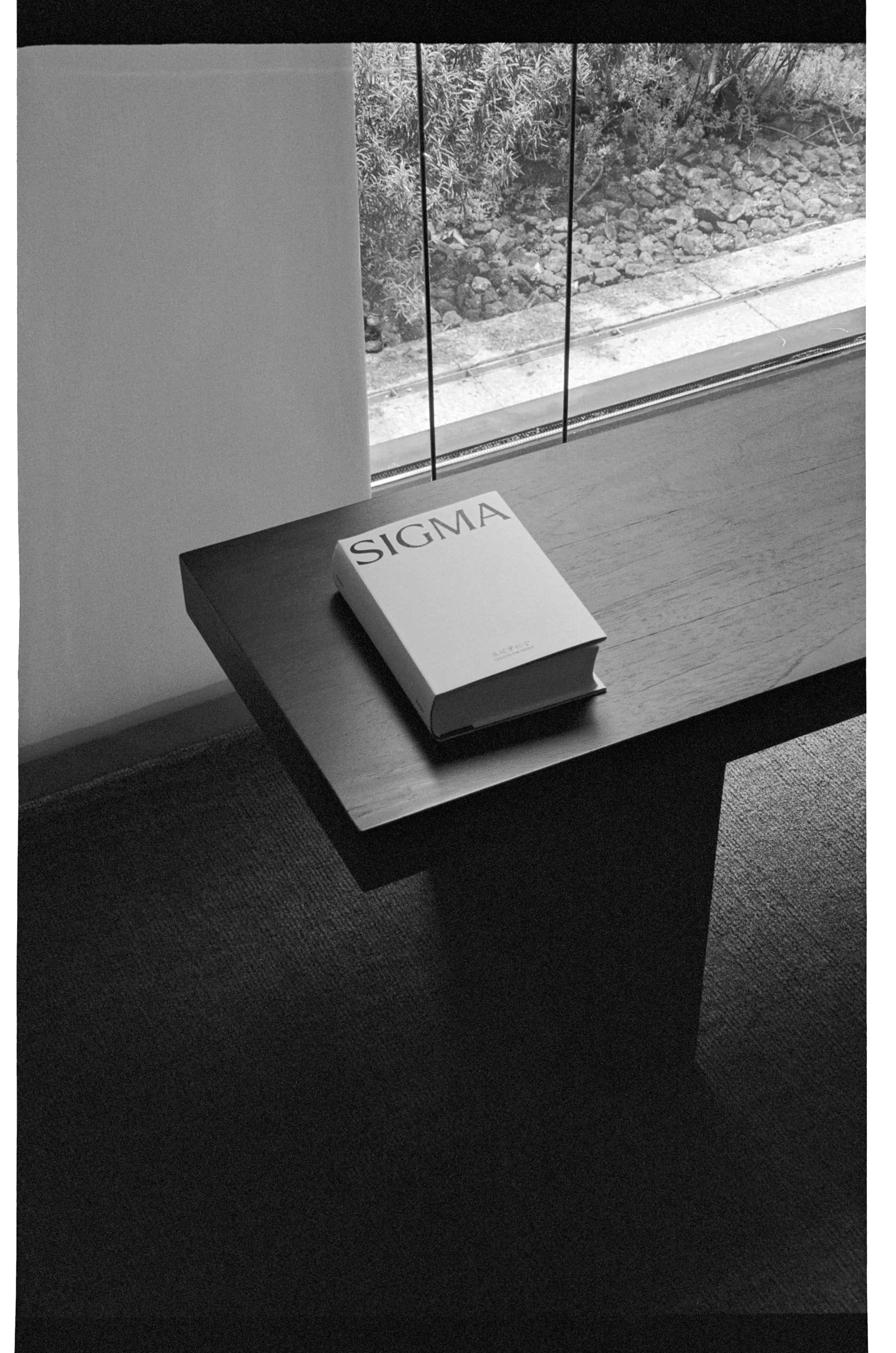
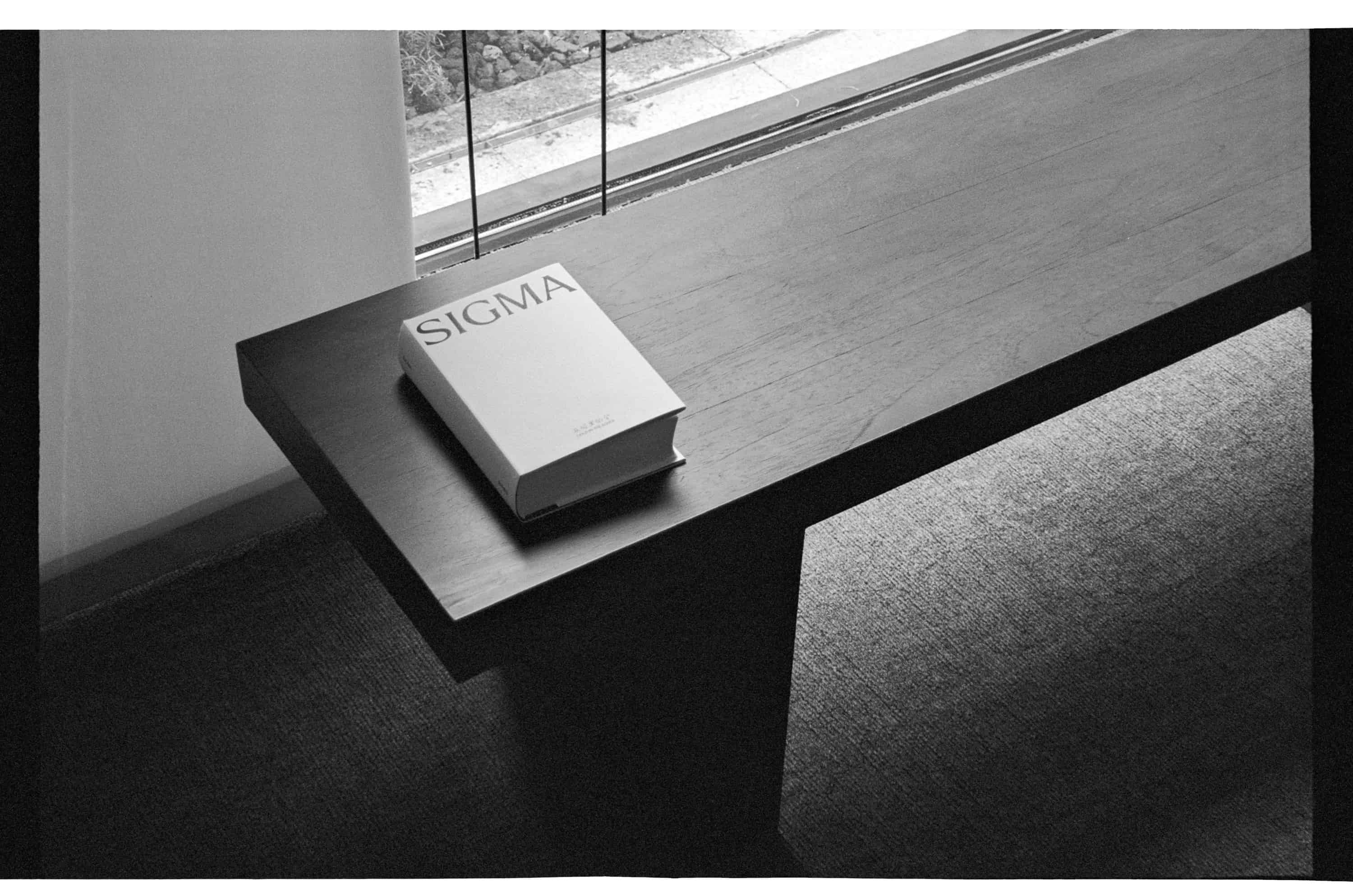
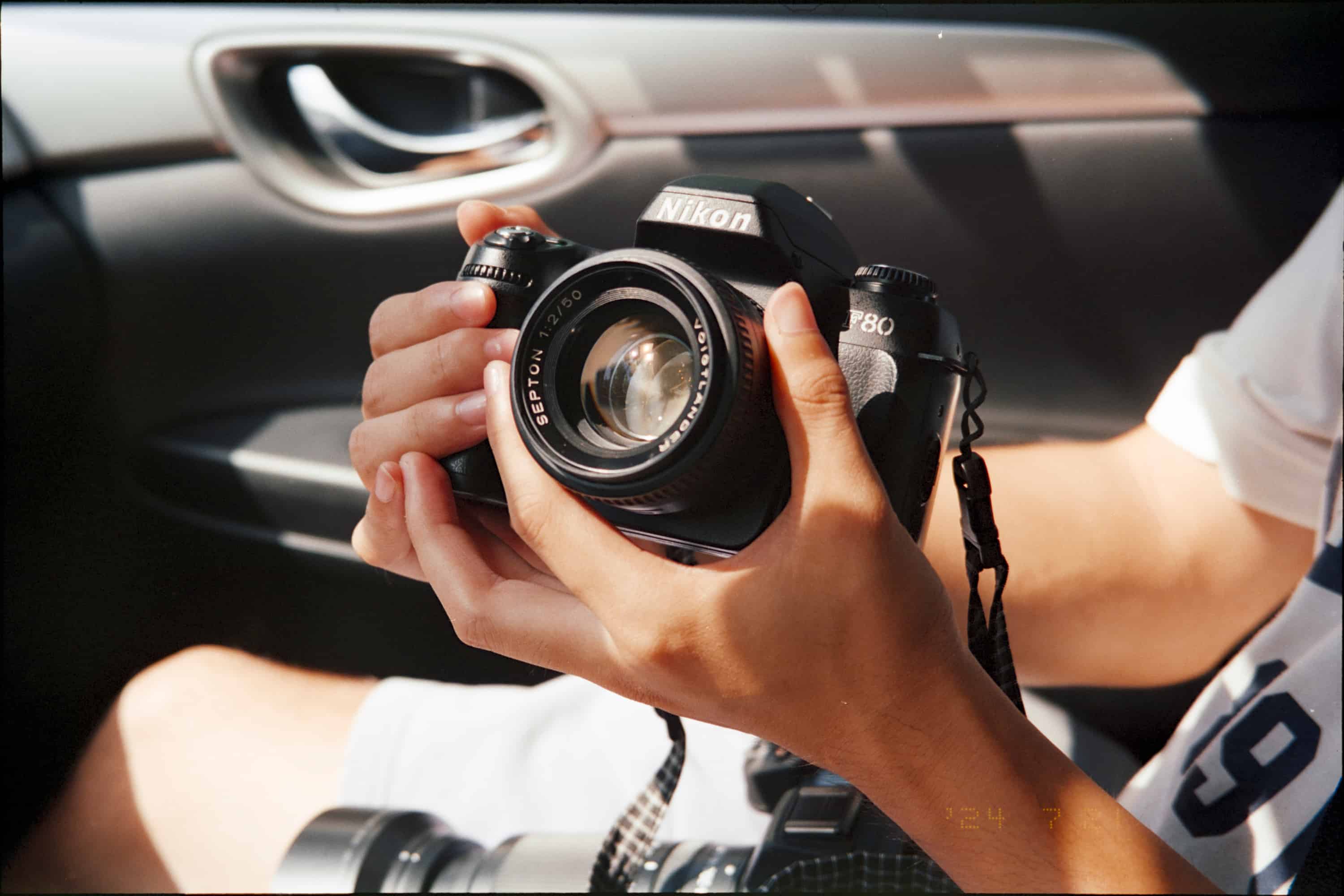
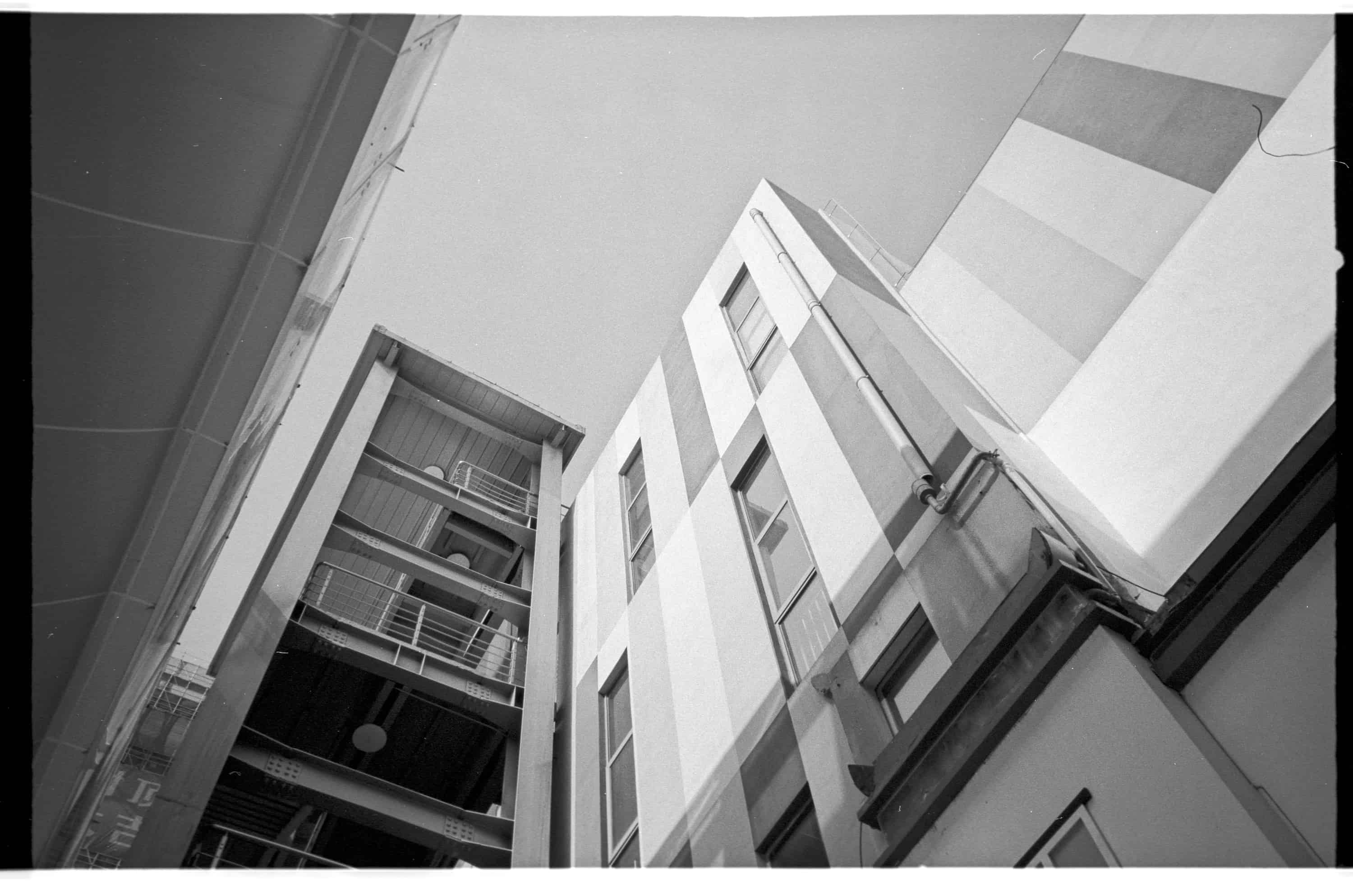
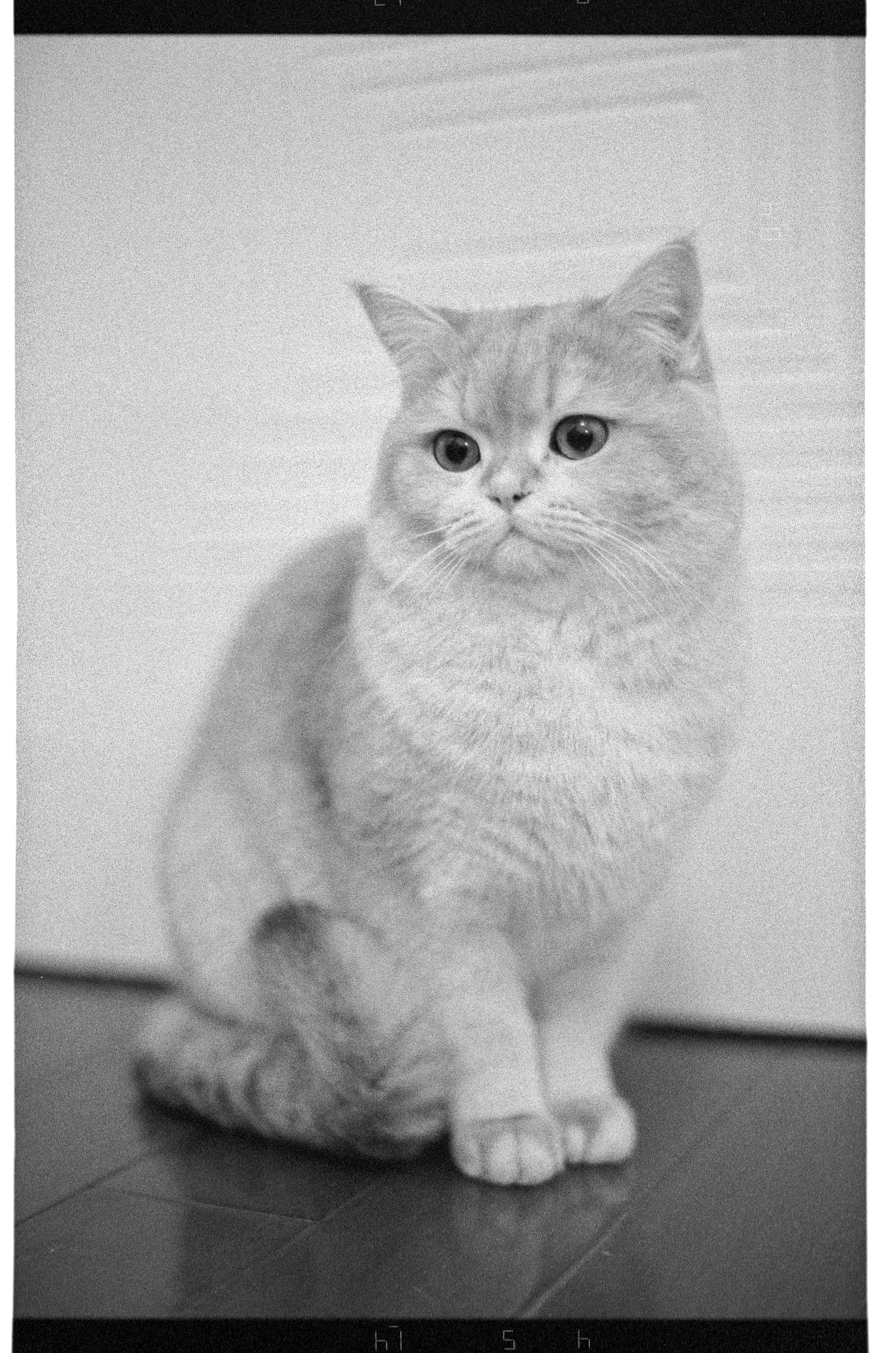
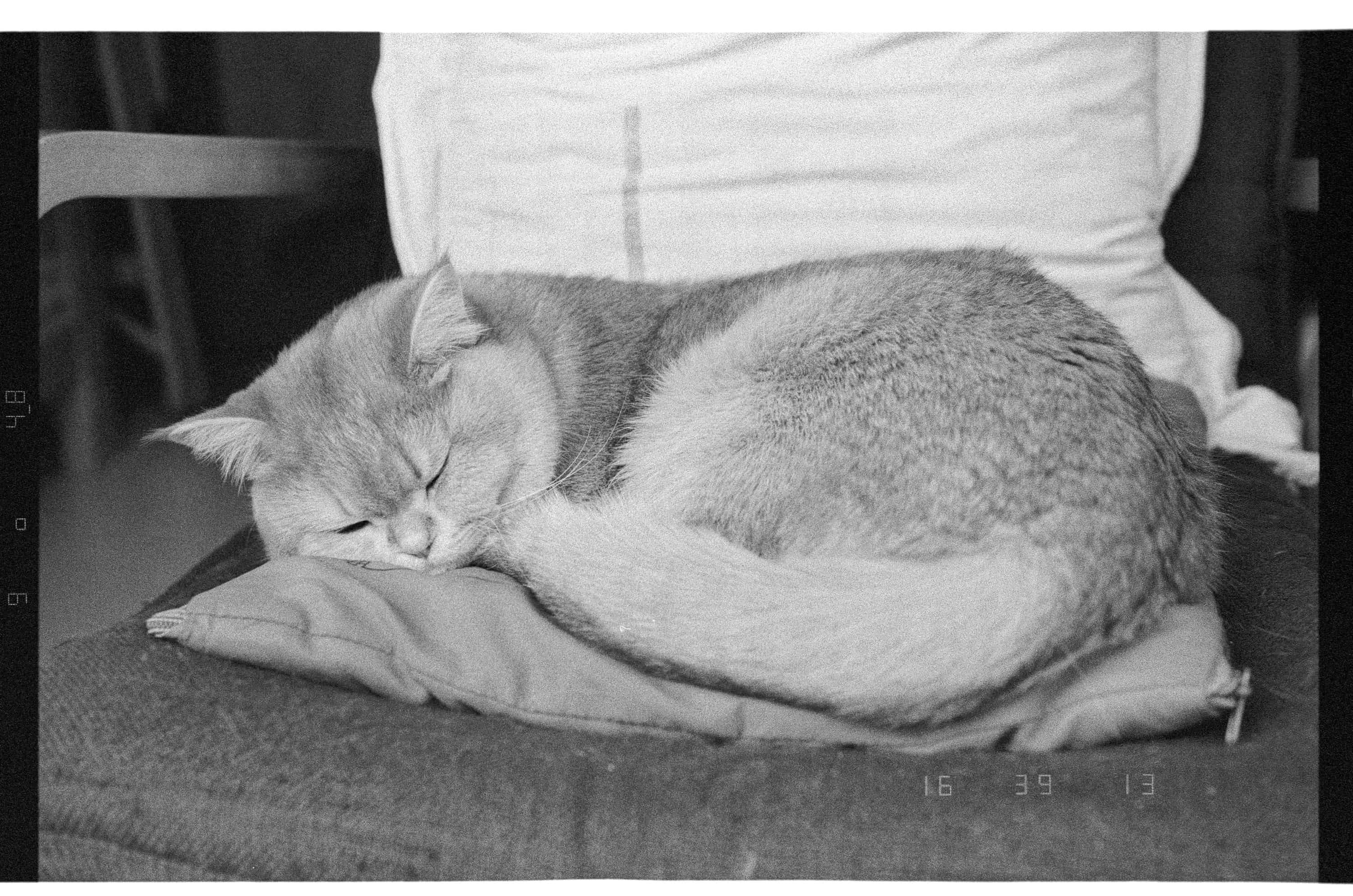
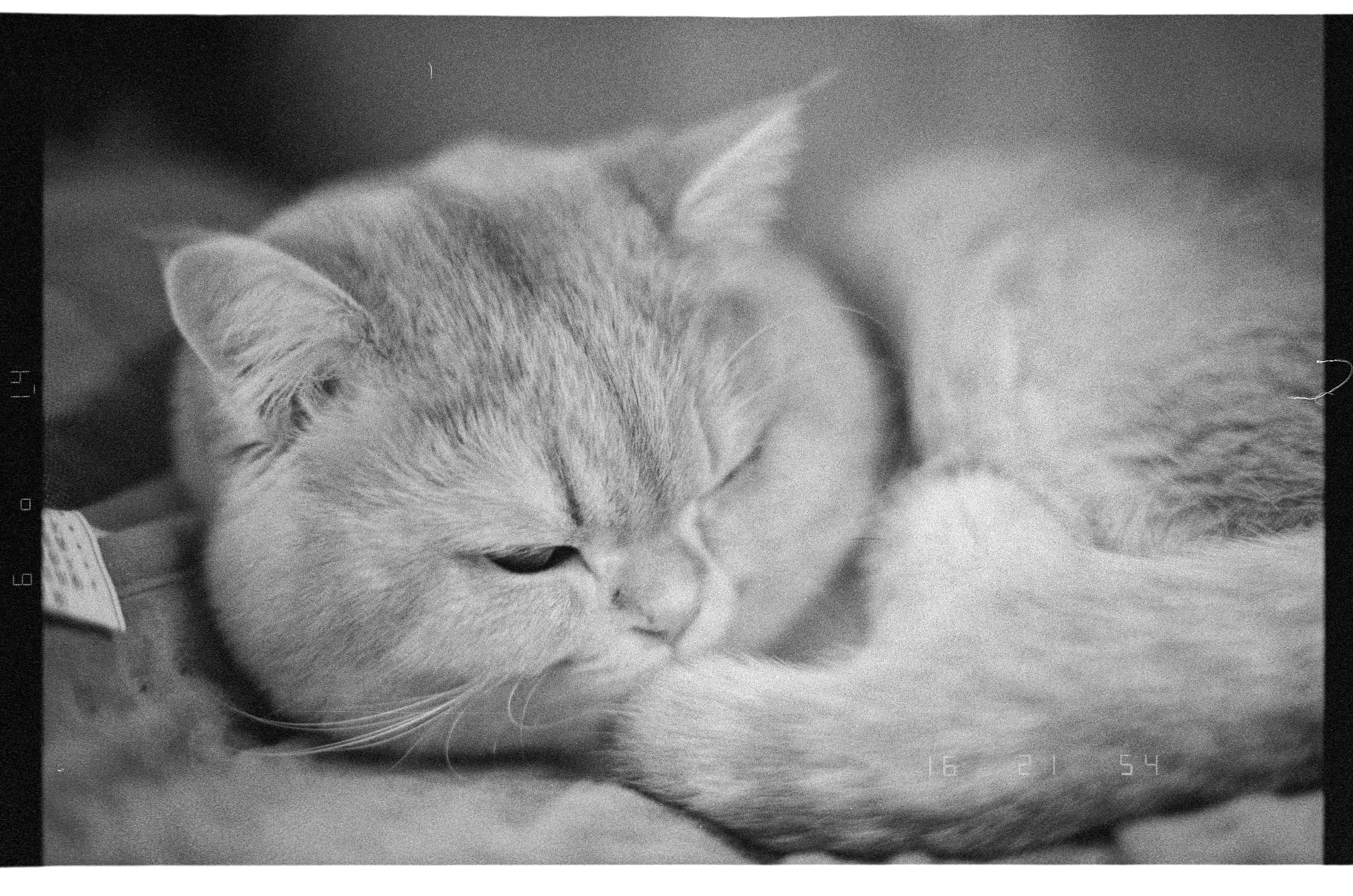
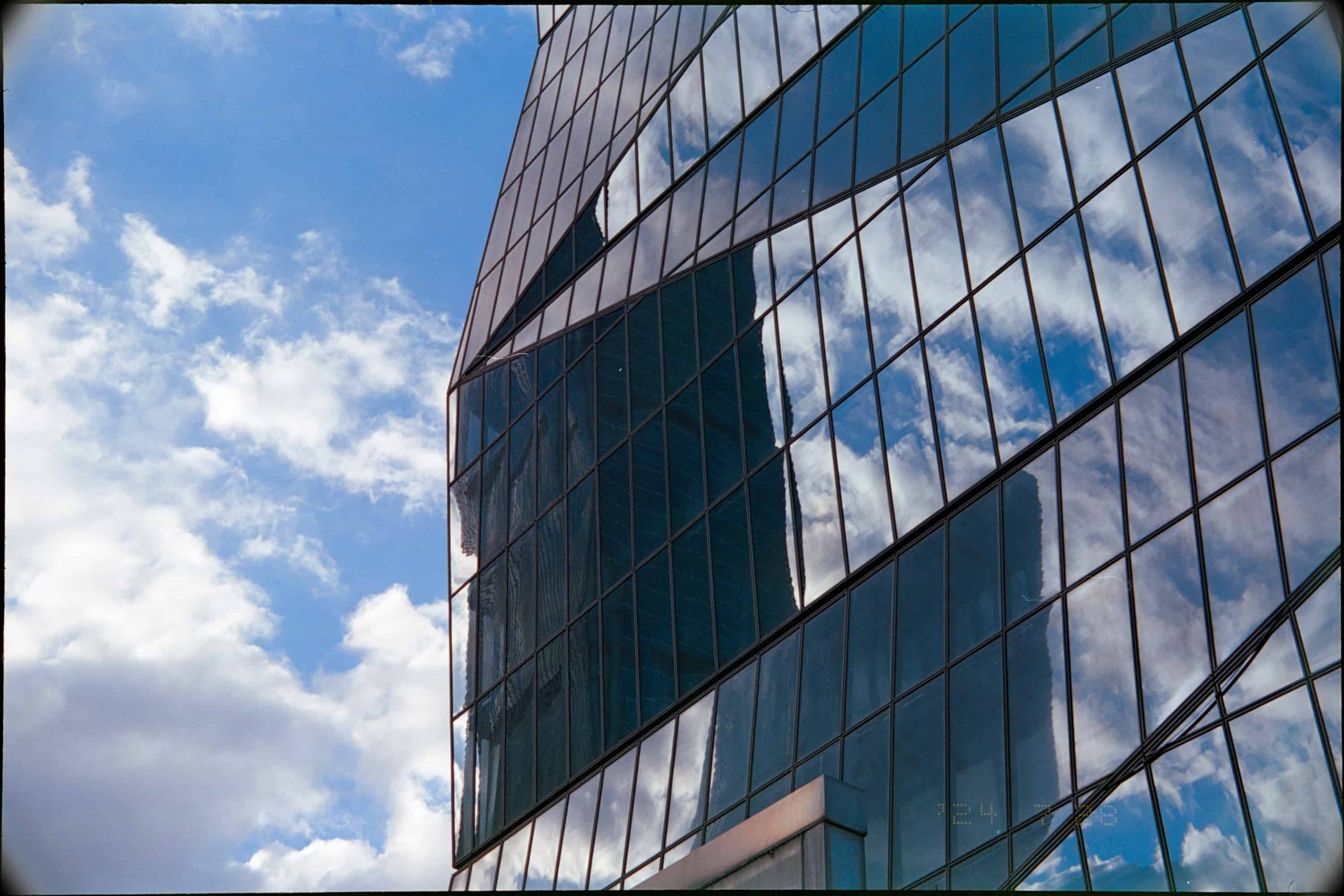
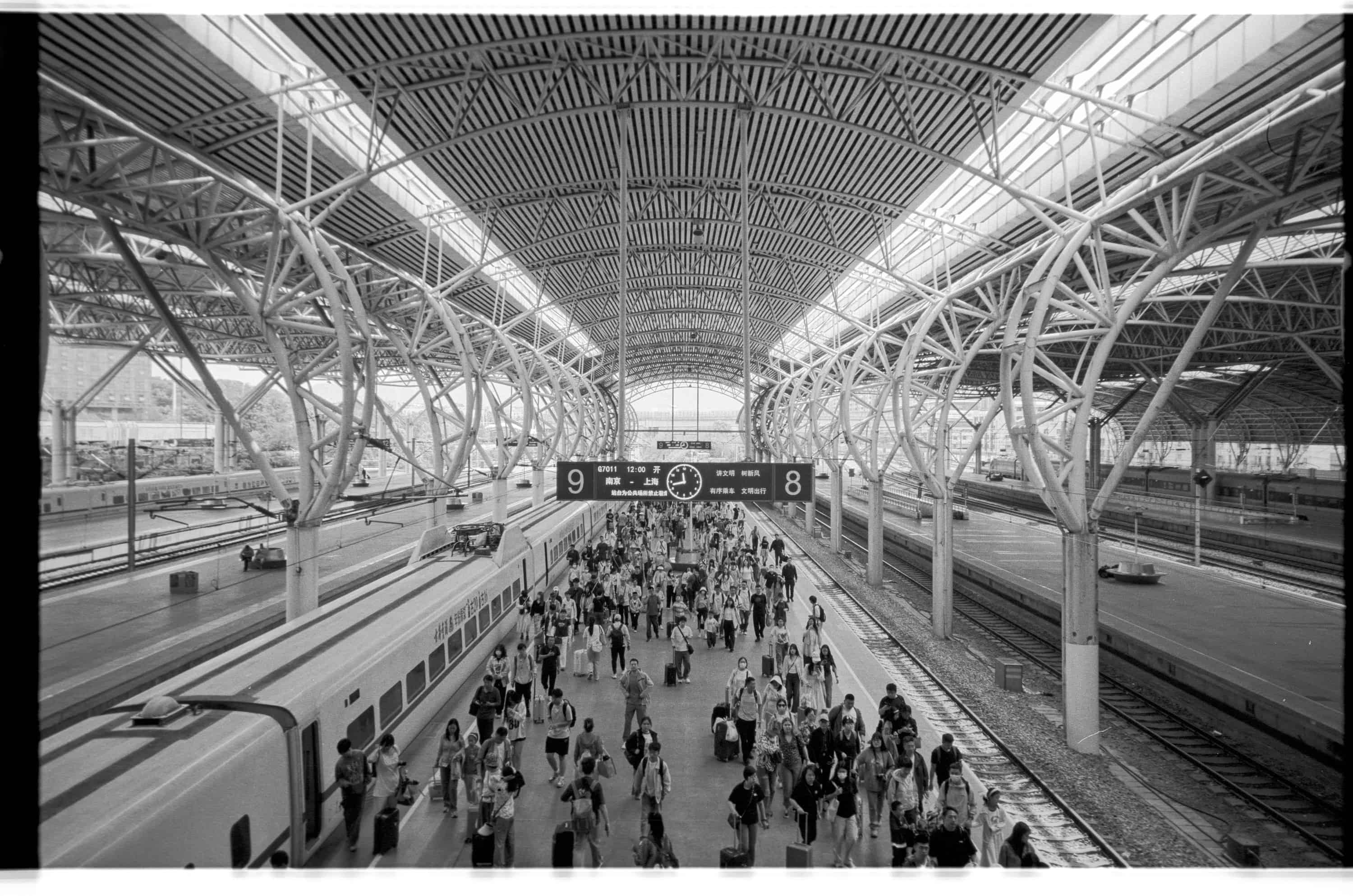
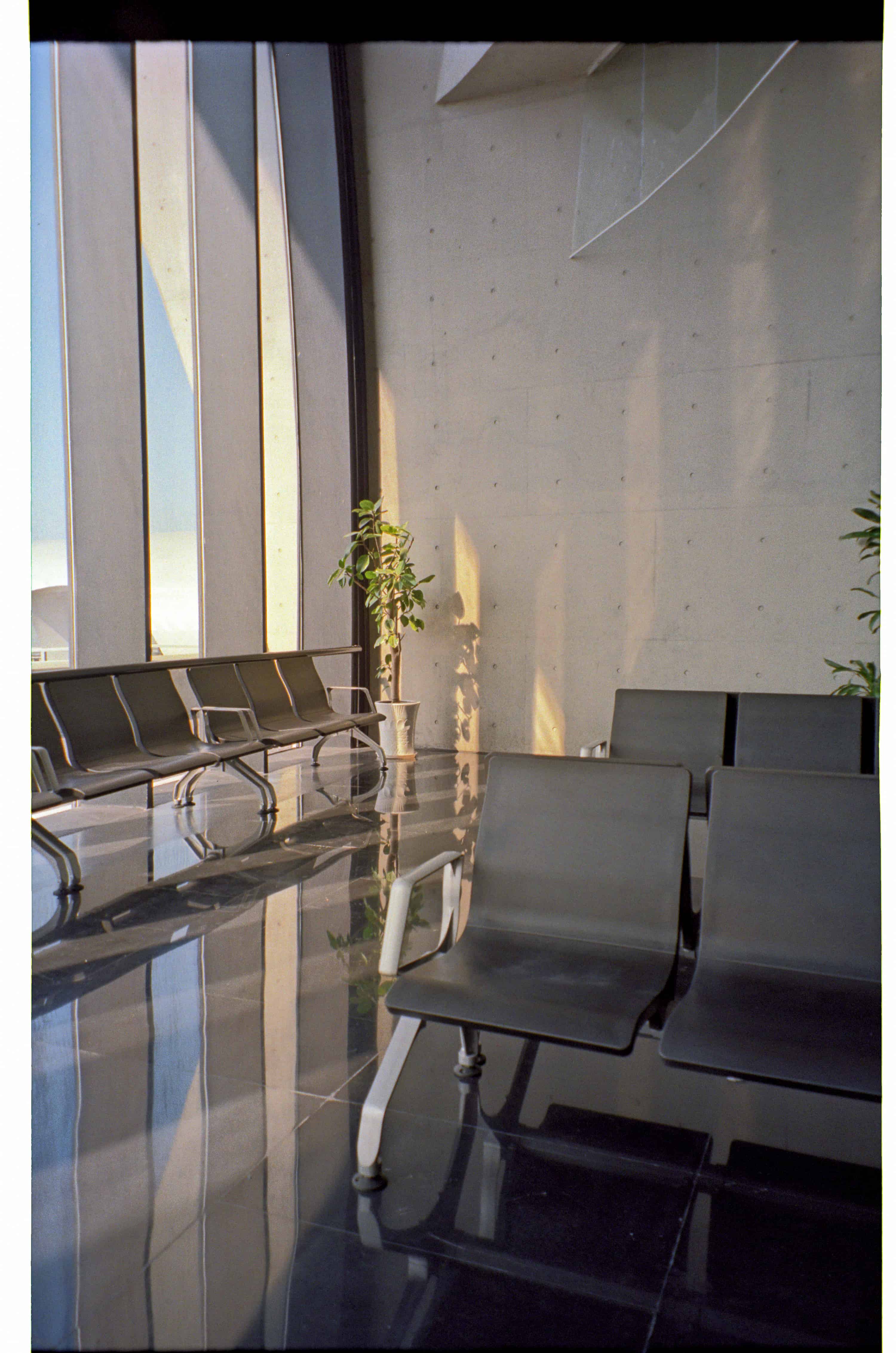
In this section, I will showcase some photos I’ve taken with film in my daily life, presented in SDR format.
This post will be updated periodically on an ongoing basis.
Why Film
In an era where digital reigns supreme, film photography has experienced a quiet but unmistakable resurgence. Numerous manufacturers have resumed production, launching new emulsions like Kodak E100 and Harman's Phoenix 200. Meanwhile, the market for classic cameras—especially high-end medium format models—has reached unprecedented heights.
My own journey into film began in 2018. My logic was simple: as a photographer whose work demands high resolution and quality, but who only has time for about 15 shots a month, I couldn’t justify the depreciation of a flagship digital system, but I could afford a Pentax 6x7.
It’s an amusing reversal. If you tell a photographer today that you shoot film for everyday work, they’ll often exclaim, “You must be loaded!” Yet not so long ago, film was the “poor man’s” alternative to professional full-frame digital bodies. Fate, it seems, has a sense of irony.
Over time, film became my primary medium. While I’ve tested nearly every modern digital sensor—including the remarkable GFX100S—I’ve consistently found that film remains the most resonant tool for my personal creative work.
I understand the skepticism. To many, these cameras are just “cumbersome piles of metal and glass” or self-indulgent toys for antiquarians. The film community certainly has its share of nostalgia-drunk collectors. However, my choice is pragmatic: as a medium, film possesses unique characteristics that digital simply cannot replicate. I say “characteristics” rather than “advantages,” because the choice of medium is ultimately an artist’s prerogative, guided by how they perceive the world.
None of Us are Purely Rational
Before going further, we must accept a truth: none of us are perfectly rational beings.
As photographers, we don’t just use equipment; our equipment influences us. There is a subtle feedback loop between the tool and the artist that inevitably shapes the final work.
For instance, the way I see through a 135 eye-level viewfinder is fundamentally different from the way I compose on a 120 waist-level ground glass. Even between two waist-level cameras—like a Hasselblad and a Rolleiflex—the ergonomic differences dictate a change in my posture, my speed, and ultimately, my perspective. These nuances only reveal themselves over years of consistent practice.
This is why suggestions like “covering the digital screen with tape” to simulate the film experience miss the point. Design matters. The constraints of a tool like the Leica M11-D or Fujifilm X-Pro 3 aren’t gimmicks—they are deliberate architectural choices that foster a specific psychological state.
The Importance of the Procedure
In our result-oriented society, it’s easy to overlook the process. But in art, the journey dictates the destination. The physical steps you take to create an image will bleed into the image itself.
Consider the argument that “Technical cameras are obsolete.” The logic is that focus stacking and panorama stitching can replace them. While technically true in some scenarios, this approach separates the photographer from the act of seeing and deciding on location.
Beyond correcting perspective, the ground glass of a large-format camera is a contemplative space. It allows you to visualize the entire composition with total clarity, revealing the exact relationship between focal planes. It demands that you slow down.
There is a specific, meditative loop: you prepare the shot, check the ground glass one last time, and suddenly realize that moving the tripod just two inches to the left would transform the composition. Without that direct, large-scale feedback, many of these small but vital refinements are lost. Even the inverted image on the ground glass helps—it forces you to abstract the scene into shapes and planes, a technique championed by masters like Stephen Shore and Ansel Adams.
Focus is a Finite Resource
Finally, we must consider human focus. Our creative energy is a finite resource.
Conserving that energy allows a photographer to direct their attention toward the elements that truly matter: the light, the spatial structure, the relationship between planes, and the emotional resonance of the subject.
Modern digital cameras are engineering marvels, but their interfaces are often hyper-active. Looking through a modern EVF can feel like being shouted at by a crowd (“Highlight warning!”, “Eye-tracking active!”, “Level error!”). Every piece of data is a small drain on your concentration.
In contrast, the viewfinders of cameras like the Pentax 67II or Nikon F4S embody a minimalist philosophy. The image area is sacred—unobstructed and pure. All technical data is moved to the periphery, allowing the photographer to inhabit the frame.
I know most of these digital “assistants” can be disabled. But there is a deeper mechanical difference. Digital sensors require aggressive highlight protection. In high-contrast scenes, you are forced to obsess over the right edge of the histogram, underexposing and then peering into a dark viewfinder to compose.
With color negative film, you simply meter for the shadows and press the shutter. The medium’s latitude handles the rest. By removing that constant technical anxiety, film returns the photographer’s focus to the world in front of the lens.
Tonality
Film is often prized for its distinctive tonality, where a gentle S-shaped response curve preserves midtone detail while giving images a natural sense of depth; its micro-contrast arises from the interaction of light with silver halide grains, producing subtle local tonal separations that render textures and three-dimensional form with richness rather than harsh sharpness; and its highlight roll-off is smooth and forgiving, as the chemical “shoulder” of film compresses bright values gradually instead of clipping abruptly, resulting in luminous, organic transitions that many find more pleasing and lifelike than digital’s harder edges.
Color Palette
Film has organic color palette that comes from its layered emulsions and dye couplers, which respond to light in nonlinear, interdependent ways that create subtle hue shifts, softer saturation in highlights, and pleasing biases in skin tones, skies, and foliage; unlike the linear RGB capture of digital sensors, film renders color with gentle imperfections, micro-variations from grain and dye distribution, and stock-specific signatures, giving images a warmth and richness that feel tactile, cohesive, and alive rather than clinically precise.
Why not Stimulation?
My answer to this question stems less from technical considerations and more from philosophy and ideology. I believe that as technology advances, digital sensors will inevitably be able to simulate any film stock after digitization—yes, even Kodachrome.
The crucial question is: Why stimulate?
Why play with fake boobs when you can have the real thing? —From the film Kodachrome
Since film hasn’t been completely discontinued, why go to such lengths to emulate it? If you love film’s look, choose film.
The purpose of any medium or art form is never to imitate another medium or art form.
Just as photography faced when it first emerged alongside painting, photography’s significance lies not in mimicking painting—it has its own path to follow. Similarly, the purpose of digital photography isn’t to emulate film; digital has its own distinct journey, and so does film.
So What is the Price?
Of course, I’m not a film fanboy. The fact that film has reached its current market share today must mean it has serious flaws. Film’s beauty comes with trade-offs that explain why most of the industry went digital:
Slower workflow:
I believe this is the most fatal flaw of film. Limited exposures per roll, manual loading/unloading, waiting for development, and no instant feedback make film much slower than digital — both for shooting and for seeing results. Imagine this: you return home after a long-distance photography trip, only to discover major defects in your camera or lens after developing the film. The resulting loss is immeasurable—after all, film has a price, but data, time, and opportunities are priceless.
Cost and availability:
Every roll costs money to buy, process, and scan/print. Certain emulsions are discontinued or expensive, and processing labs can be scarce depending on location ( I’m talking about you, Fuji! Get those RDP3 and RVP50 supply shortages resolved immediately! ).
Less flexibility:
You’re locked into a film stock’s ISO, color balance, and look once loaded. Changing speed or palette mid-roll isn’t practical.
Technical constraints:
Film ( specifically referring to negative film ) struggles particularly when rendering large areas of low-key scenes. This is the exact opposite of digital photography. Film has finite dynamic range (often around 10–13 stops for color negative, less for slide) and lower shadow recovery flexibility compared to RAW digital files. Grain is part of the aesthetic, but it can limit enlargement or fine detail in small formats.
Learning curve:
Proper exposure, focusing, and handling require discipline — mistakes are expensive and only discovered after the fact.
Photos
4x5 Large Format
Jinshanwei, Shanghai
FocalLength72
FNumber?
ExposureTime?
ISO80
MakeLinhof
ModelTechnikardan S45
LensModelSchneider 72mm f/5.6 Super-Angulon XL
FilmKodak Ektar 100
WhiteBalanceDaylight
FlashFlash did not fire
ArtistAlexandar Gu
CopyrightAlexander Gu
FocalLength72
FNumber?
ExposureTime?
ISO80
MakeLinhof
ModelTechnikardan S45
LensModelSchneider 72mm f/5.6 Super-Angulon XL
FilmKodak Ektar 100
WhiteBalanceDaylight
FlashFlash did not fire
ArtistAlexandar Gu
CopyrightAlexander Gu
FocalLength72
FNumber?
ExposureTime?
ISO80
MakeLinhof
ModelTechnikardan S45
LensModelSchneider 72mm f/5.6 Super-Angulon XL
FilmKodak Ektar 100
WhiteBalanceDaylight
FlashFlash did not fire
ArtistAlexandar Gu
CopyrightAlexander Gu
FocalLength72
FNumber?
ExposureTime?
ISO50
MakeLinhof
ModelTechnikardan S45
LensModelSchneider 72mm f/5.6 Super-Angulon XL
FilmFOMAPAN 100 Classic
WhiteBalancePanchromatic
FlashFlash did not fire
ArtistAlexandar Gu
CopyrightAlexander Gu
FocalLength72
FNumber?
ExposureTime?
ISO50
MakeLinhof
ModelTechnikardan S45
LensModelSchneider 72mm f/5.6 Super-Angulon XL
FilmFOMAPAN 100 Classic
WhiteBalancePanchromatic
FlashFlash did not fire
ArtistAlexandar Gu
CopyrightAlexander Gu
Minhang District, Shanghai
FocalLength72
FNumber?
ExposureTime?
ISO400
MakeChamonix
Model45H-1
LensModelSchneider 72mm f/5.6 Super-Angulon XL
FilmIlford HP5 Plus
WhiteBalancePanchromatic
FlashFlash did not fire
ArtistAlexandar Gu
CopyrightAlexander Gu
FocalLength150
FNumber11
ExposureTime2min 30s
ISO80
MakeLinhof
ModelTechnikardan S45
LensModelFujifilm CM Fujinon W 150mm f/5.6
FilmFOMAPAN 100 Classic
WhiteBalancePanchromatic
FlashFlash did not fire
ArtistAlexandar Gu
CopyrightAlexander Gu
Jing’an District, Shanghai
FocalLength72
FNumber?
ExposureTime?
ISO50
MakeLinhof
ModelTechnikardan S45
LensModelSchneider 72mm f/5.6 Super-Angulon XL
FilmFOMAPAN 100 Classic
WhiteBalancePanchromatic
FlashFlash did not fire
ArtistAlexandar Gu
CopyrightAlexander Gu
Pudong New Area, Shanghai
FocalLength72
FNumber?
ExposureTime?
ISO50
MakeLinhof
ModelTechnikardan S45
LensModelSchneider 72mm f/5.6 Super-Angulon XL
FilmFOMAPAN 100 Classic
WhiteBalancePanchromatic
FlashFlash did not fire
ArtistAlexandar Gu
CopyrightAlexander Gu
120 Format
Songjiang District, Shanghai
FocalLength45
FNumber?
ExposureTime30s
ISO80
MeteringModePattern
ExposureProgramAperture priority
ExposureCompensation0
MakePentax
Model67II
LensModelSMC Pentax 67 45mm F4
FilmKodak Ektar 100
WhiteBalanceDaylight
FlashFlash did not fire
ArtistAlexandar Gu
CopyrightAlexander Gu
FocalLength45
FNumber?
ExposureTime30s
ISO80
MeteringModePattern
ExposureProgramAperture priority
ExposureCompensation0
MakePentax
Model67II
LensModelSMC Pentax 67 45mm F4
FilmKodak Ektar 100
WhiteBalanceDaylight
FlashFlash did not fire
ArtistAlexandar Gu
CopyrightAlexander Gu
FocalLength?
FNumber?
ExposureTime1s
ISO80
MeteringModePattern
ExposureProgramAperture priority
ExposureCompensation0
MakePentax
Model67II
LensModelSMC Pentax 67 55-100mm F4.5
FilmKodak Ektar 100
WhiteBalanceDaylight
FlashFlash did not fire
ArtistAlexandar Gu
CopyrightAlexander Gu
FocalLength55
FNumber?
ExposureTime1s
ISO80
MeteringModePattern
ExposureProgramAperture priority
ExposureCompensation0
MakePentax
Model67II
LensModelSMC Pentax 67 55-100mm F4.5
FilmKodak Ektar 100
WhiteBalanceDaylight
FlashFlash did not fire
ArtistAlexandar Gu
CopyrightAlexander Gu
FocalLength?
FNumber?
ExposureTime1s
ISO80
MeteringModePattern
ExposureProgramAperture priority
ExposureCompensation0
MakePentax
Model67II
LensModelSMC Pentax 67 55-100mm F4.5
FilmKodak Ektar 100
WhiteBalanceDaylight
FlashFlash did not fire
ArtistAlexandar Gu
CopyrightAlexander Gu
FocalLength?
FNumber?
ExposureTime1s
ISO80
MeteringModePattern
ExposureProgramAperture priority
ExposureCompensation0
MakePentax
Model67II
LensModelSMC Pentax 67 55-100mm F4.5
FilmKodak Ektar 100
WhiteBalanceDaylight
FlashFlash did not fire
ArtistAlexandar Gu
CopyrightAlexander Gu
Minhang District, Shanghai
FocalLength400
FNumber4
ExposureTime?
ISO100
MeteringModePattern
ExposureProgramAperture priority
ExposureCompensation0
MakePentax
Model67II
LensModelSMC Pentax-M* 67 400mm F4 ED[IF]
FilmFUJICHROME PROVIA 100F Professional [RDP III]
WhiteBalanceDaylight
FlashFlash did not fire
ArtistAlexandar Gu
CopyrightAlexander Gu
FocalLength45
FNumber?
ExposureTime?
ISO80
MeteringModePattern
ExposureProgramAperture priority
ExposureCompensation0
MakePentax
Model67II
LensModelSMC Pentax 67 45mm F4
FilmKodak Ektar 100
WhiteBalanceDaylight
FlashFlash did not fire
ArtistAlexandar Gu
CopyrightAlexander Gu
FocalLength55
FNumber?
ExposureTime?
ISO80
MeteringModePattern
ExposureProgramAperture priority
ExposureCompensation0
MakePentax
Model67II
LensModelSMC Pentax 67 55-100mm F4.5
FilmKodak Ektar 100
WhiteBalanceDaylight
FlashFlash did not fire
ArtistAlexandar Gu
CopyrightAlexander Gu
FocalLength45
FNumber?
ExposureTime?
ISO80
MeteringModePattern
ExposureProgramAperture priority
ExposureCompensation0
MakePentax
Model67II
LensModelSMC Pentax 67 45mm F4
FilmKodak Ektar 100
WhiteBalanceDaylight
FlashFlash did not fire
ArtistAlexandar Gu
CopyrightAlexander Gu
FocalLength120
FNumber?
ExposureTime?
ISO100
MakeChamonix
Model45H-1
LensModelGallen Optics APO Supercondimentar XXL 120mm f2.8
FilmFujifilm NEOPAN 100 ACROS
WhiteBalanceDaylight
FlashFlash did not fire
ArtistAlexandar Gu
CopyrightAlexander Gu
FocalLength72
FNumber?
ExposureTime?
ISO100
MakeChamonix
Model45H-1
LensModelSchneider 72mm f/5.6 Super-Angulon XL
FilmFujifilm NEOPAN 100 ACROS
WhiteBalanceDaylight
FlashFlash did not fire
ArtistAlexandar Gu
CopyrightAlexander Gu
FocalLength72
FNumber?
ExposureTime?
ISO100
MakeChamonix
Model45H-1
LensModelSchneider 72mm f/5.6 Super-Angulon XL
FilmFujifilm NEOPAN 100 ACROS
WhiteBalanceDaylight
FlashFlash did not fire
ArtistAlexandar Gu
CopyrightAlexander Gu
Pudong New Area, Shanghai
FocalLength?
FNumber?
ExposureTime?
ISO125
MeteringModePattern
ExposureProgramAperture priority
ExposureCompensation0
MakePentax
Model67II
LensModelSMC Pentax 67 55-100mm F4.5
FilmFUJICOLOR PRO 160 NS PROFESSIONAL
WhiteBalanceDaylight
FlashFlash did not fire
ArtistAlexandar Gu
CopyrightAlexander Gu
FocalLength55
FNumber?
ExposureTime?
ISO125
MeteringModePattern
ExposureProgramAperture priority
ExposureCompensation0
MakePentax
Model67II
LensModelSMC Pentax 67 55-100mm F4.5
FilmFUJICOLOR PRO 160 NS PROFESSIONAL
WhiteBalanceDaylight
FlashFlash did not fire
ArtistAlexandar Gu
CopyrightAlexander Gu
FocalLength?
FNumber?
ExposureTime?
ISO125
MeteringModePattern
ExposureProgramAperture priority
ExposureCompensation0
MakePentax
Model67II
LensModelSMC Pentax 67 55-100mm F4.5
FilmFUJICOLOR PRO 160 NS PROFESSIONAL
WhiteBalanceDaylight
FlashFlash did not fire
ArtistAlexandar Gu
CopyrightAlexander Gu
FocalLength?
FNumber?
ExposureTime?
ISO125
MeteringModePattern
ExposureProgramAperture priority
ExposureCompensation0
MakePentax
Model67II
LensModelSMC Pentax 67 55-100mm F4.5
FilmFUJICOLOR PRO 160 NS PROFESSIONAL
WhiteBalanceDaylight
FlashFlash did not fire
ArtistAlexandar Gu
CopyrightAlexander Gu
FocalLength55
FNumber?
ExposureTime?
ISO125
MeteringModePattern
ExposureProgramAperture priority
ExposureCompensation0
MakePentax
Model67II
LensModelSMC Pentax 67 55-100mm F4.5
FilmFUJICOLOR PRO 160 NS PROFESSIONAL
WhiteBalanceDaylight
FlashFlash did not fire
ArtistAlexandar Gu
CopyrightAlexander Gu
FocalLength?
FNumber?
ExposureTime?
ISO125
MeteringModePattern
ExposureProgramAperture priority
ExposureCompensation0
MakePentax
Model67II
LensModelSMC Pentax 67 55-100mm F4.5
FilmFUJICOLOR PRO 160 NS PROFESSIONAL
WhiteBalanceDaylight
FlashFlash did not fire
ArtistAlexandar Gu
CopyrightAlexander Gu
Huangpu District, Shanghai
FocalLength75
FNumber?
ExposureTime?
ISO200
MeteringModePattern
ExposureProgramAperture priority
ExposureCompensation0
MakePentax
Model67II
LensModelSMC Pentax 67 55-100mm F4.5
FilmFUJICOLOR PRO 400H PROFESSIONAL
WhiteBalanceDaylight
FlashFlash did not fire
ArtistAlexandar Gu
CopyrightAlexander Gu
FocalLength55
FNumber?
ExposureTime?
ISO200
MeteringModePattern
ExposureProgramAperture priority
ExposureCompensation0
MakePentax
Model67II
LensModelSMC Pentax 67 55-100mm F4.5
FilmFUJICOLOR PRO 400H PROFESSIONAL
WhiteBalanceDaylight
FlashFlash did not fire
ArtistAlexandar Gu
CopyrightAlexander Gu
FocalLength55
FNumber?
ExposureTime?
ISO200
MeteringModePattern
ExposureProgramAperture priority
ExposureCompensation0
MakePentax
Model67II
LensModelSMC Pentax 67 55-100mm F4.5
FilmFUJICOLOR PRO 400H PROFESSIONAL
WhiteBalanceDaylight
FlashFlash did not fire
ArtistAlexandar Gu
CopyrightAlexander Gu
FocalLength75
FNumber?
ExposureTime?
ISO200
MeteringModePattern
ExposureProgramAperture priority
ExposureCompensation0
MakePentax
Model67II
LensModelSMC Pentax 67 55-100mm F4.5
FilmFUJICOLOR PRO 400H PROFESSIONAL
WhiteBalanceDaylight
FlashFlash did not fire
ArtistAlexandar Gu
CopyrightAlexander Gu
FocalLength?
FNumber?
ExposureTime?
ISO200
MeteringModePattern
ExposureProgramAperture priority
ExposureCompensation0
MakePentax
Model67II
LensModelSMC Pentax 67 55-100mm F4.5
FilmFUJICOLOR PRO 400H PROFESSIONAL
WhiteBalanceDaylight
FlashFlash did not fire
ArtistAlexandar Gu
CopyrightAlexander Gu
FocalLength100
FNumber?
ExposureTime?
ISO125
MeteringModePattern
ExposureProgramAperture priority
ExposureCompensation0
MakePentax
Model67II
LensModelSMC Pentax 67 55-100mm F4.5
FilmHARMAN technology Phoenix 200
WhiteBalanceDaylight
FlashFlash did not fire
ArtistAlexandar Gu
CopyrightAlexander Gu
FocalLength75
FNumber?
ExposureTime?
ISO125
MeteringModePattern
ExposureProgramAperture priority
ExposureCompensation0
MakePentax
Model67II
LensModelSMC Pentax 67 55-100mm F4.5
FilmHARMAN technology Phoenix 200
WhiteBalanceDaylight
FlashFlash did not fire
ArtistAlexandar Gu
CopyrightAlexander Gu
FocalLength?
FNumber?
ExposureTime?
ISO125
MeteringModePattern
ExposureProgramAperture priority
ExposureCompensation0
MakePentax
Model67II
LensModelSMC Pentax 67 55-100mm F4.5
FilmHARMAN technology Phoenix 200
WhiteBalanceDaylight
FlashFlash did not fire
ArtistAlexandar Gu
CopyrightAlexander Gu
FocalLength55
FNumber?
ExposureTime?
ISO125
MeteringModePattern
ExposureProgramAperture priority
ExposureCompensation0
MakePentax
Model67II
LensModelSMC Pentax 67 55-100mm F4.5
FilmHARMAN technology Phoenix 200
WhiteBalanceDaylight
FlashFlash did not fire
ArtistAlexandar Gu
CopyrightAlexander Gu
Jing’an District, Shanghai
FocalLength55
FNumber?
ExposureTime?
ISO125
MeteringModePattern
ExposureProgramAperture priority
ExposureCompensation0
MakePentax
Model67II
LensModelSMC Pentax 67 55-100mm F4.5
FilmHARMAN technology Phoenix 200
WhiteBalanceDaylight
FlashFlash did not fire
ArtistAlexandar Gu
CopyrightAlexander Gu
Yangpu District, Shanghai
FocalLength?
FNumber?
ExposureTime?
ISO100
MeteringModePattern
ExposureProgramAperture priority
ExposureCompensation0
MakePentax
Model67II
LensModelSMC Pentax 67 55-100mm F4.5
FilmILFORD DELTA 100 PROFESSIONAL
WhiteBalancePanchromatic
FlashFlash did not fire
ArtistAlexandar Gu
CopyrightAlexander Gu
FocalLength?
FNumber?
ExposureTime?
ISO250
MeteringModePattern
ExposureProgramAperture priority
ExposureCompensation0
MakePentax
Model67II
LensModelSMC Pentax 67 55-100mm F4.5
FilmKodak Eastman Double-X Black-and-White Negative Film 5222
WhiteBalancePanchromatic
FlashFlash did not fire
ArtistAlexandar Gu
CopyrightAlexander Gu
FocalLength100
FNumber4
ExposureTime?
ISO250
MeteringModePattern
ExposureProgramAperture priority
ExposureCompensation0
MakePentax
Model67II
LensModelSMC Pentax 67 100mm F4 Macro
FilmKodak Eastman Double-X Black-and-White Negative Film 5222
WhiteBalancePanchromatic
FlashFlash did not fire
ArtistAlexandar Gu
CopyrightAlexander Gu
FocalLength100
FNumber?
ExposureTime?
ISO250
MeteringModePattern
ExposureProgramAperture priority
ExposureCompensation0
MakePentax
Model67II
LensModelSMC Pentax 67 100mm F4 Macro
FilmKodak Eastman Double-X Black-and-White Negative Film 5222